







The short answer
Skateboarding can complement surf practice by giving you repeated opportunities to explore stance, turning and coordinated movement on land. A surf skate is especially relevant to carving practice. It cannot replace paddling, reading waves or time in the ocean, and getting better at skating does not guarantee better surfing.
Why surfers practise on land
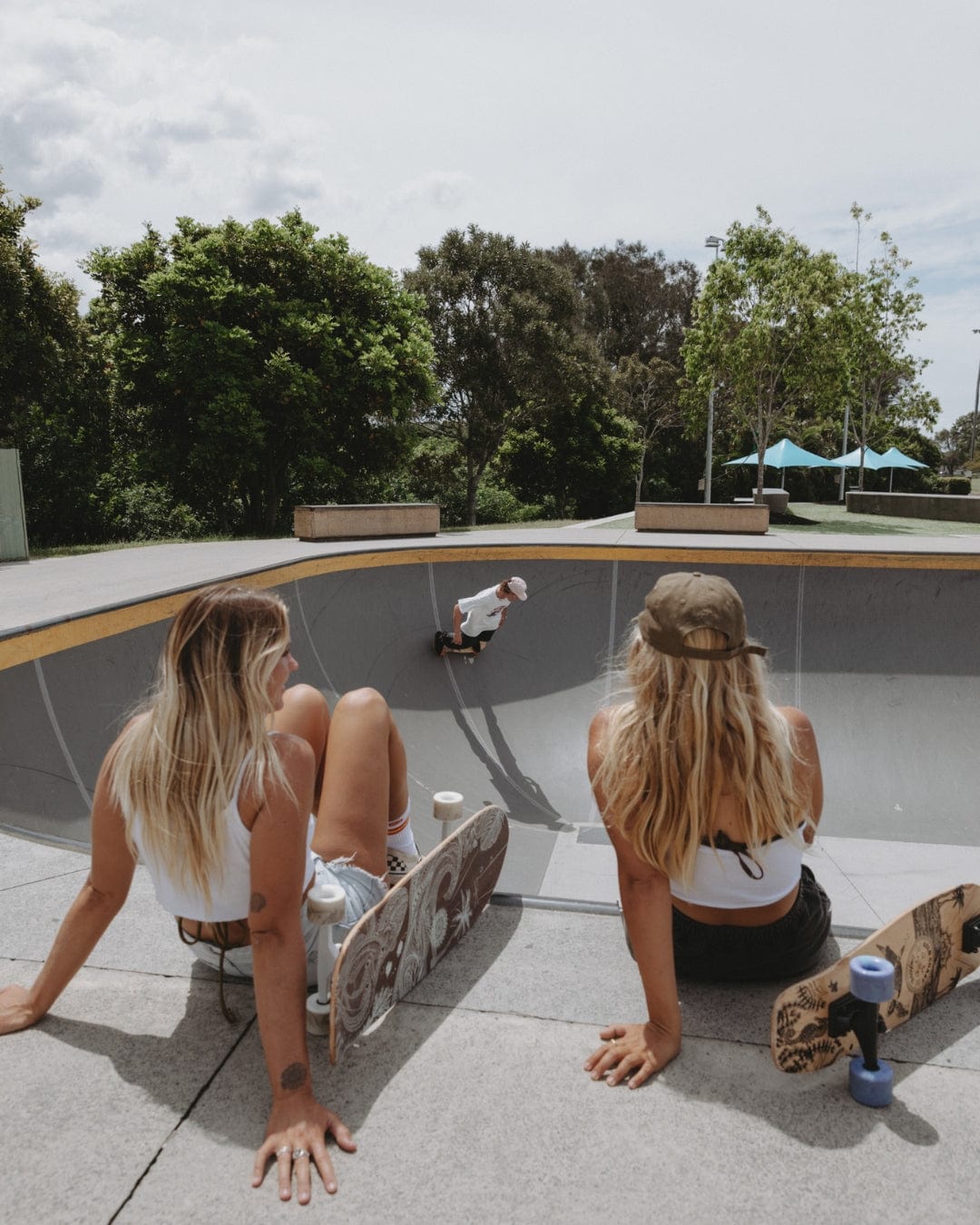
A wave gives you a brief opportunity to try something. Then you paddle back out, wait and meet a different wave. On suitable flat ground, a skateboard lets you repeat a movement and pay attention to one thing at a time.
This is part of real surf coaching. Surfing Australia's High Performance Centre includes skateboard drills in its programmes, using different boards and settings alongside ocean sessions and video analysis. That makes skating a useful coaching tool; it does not make every skate session a surf lesson.
The most useful starting point is a specific question about your surfing. What are you working on, and can part of it be rehearsed on land? A coach who understands both activities can help you make that connection.
Four useful things to pay attention to
01 · Awareness
Notice your stance
Use a familiar, manageable setting to notice where your feet sit and how your position changes through a turn. Ask your coach which observations are relevant to your surfing; a skateboard stance is not an exact template for every surfboard.
02 · Coordination
Look at the whole movement
A turn involves more than moving your feet. Video can help you and your coach see how your gaze, upper body and lower body work together, instead of guessing from how a movement feels.
03 · Repetition
Work on one clear cue
Keep the focus narrow. Repeating a coach's single cue gives you something concrete to review. More attempts are not automatically better if you are repeating an unhelpful habit or losing control.
04 · Enjoyment
Keep a board under your feet
A skate can simply be a good way to enjoy a flat-surf day. Every outing does not need a training target, and enjoying skating in its own right is a perfectly good reason to keep going.
What does not transfer automatically?
Concrete stays put; waves change. A land session does not teach you which wave to catch, where to sit, how to paddle into position or how to respond to changing ocean conditions. It also does not reproduce the relationship between a surfboard's rails, fins and moving water.
Even a movement that looks similar may work differently. A deep carve on a surf skate is not evidence that you have mastered a bottom turn. Treat land practice as a place to explore selected movements, then use ocean experience and coaching feedback to find out what actually helps.
If paddling, wave selection or getting to your feet is your main difficulty, tell your surf coach. Buying another board may be less useful than focusing on that specific part of the surf session.
Which skateboard makes sense for a surfer?
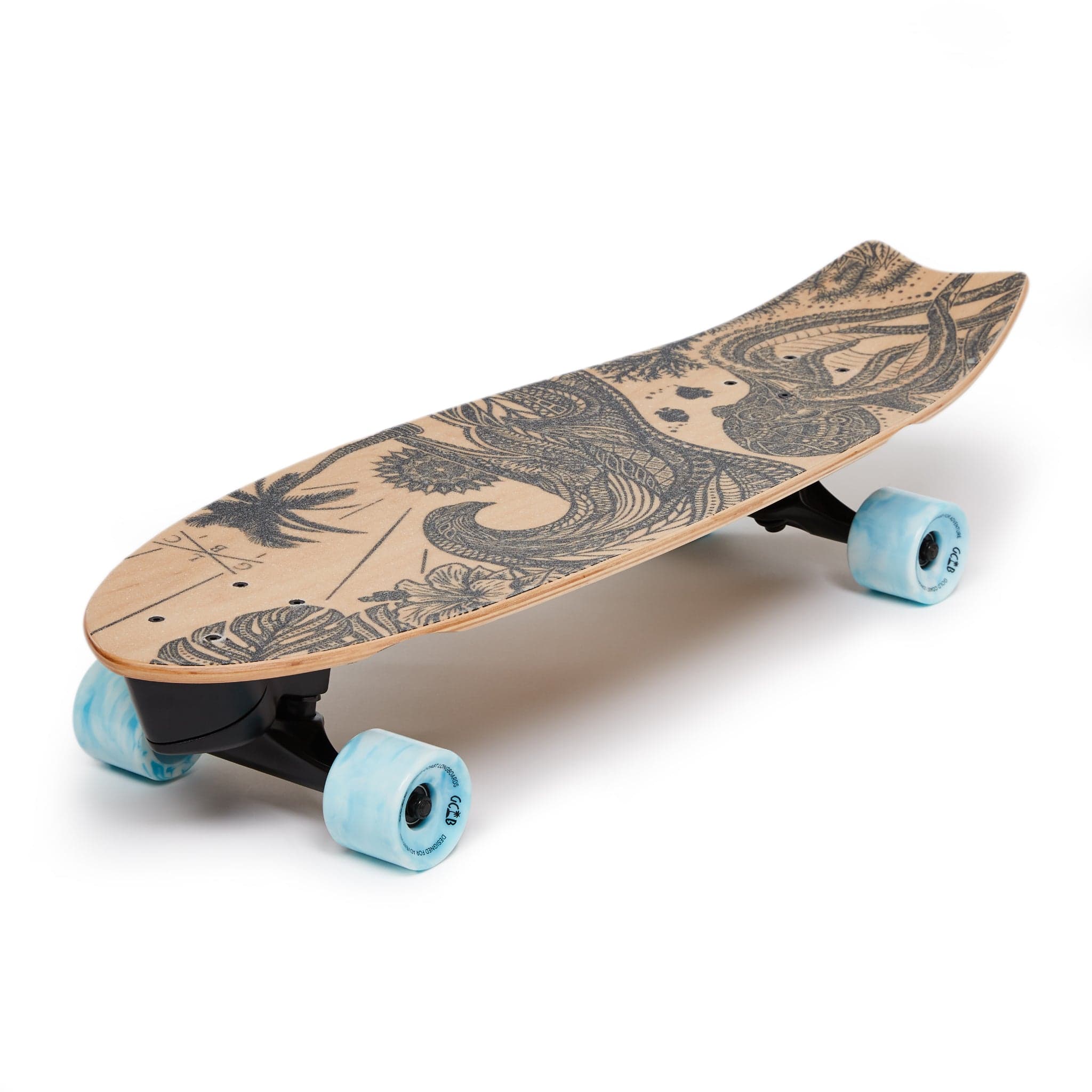
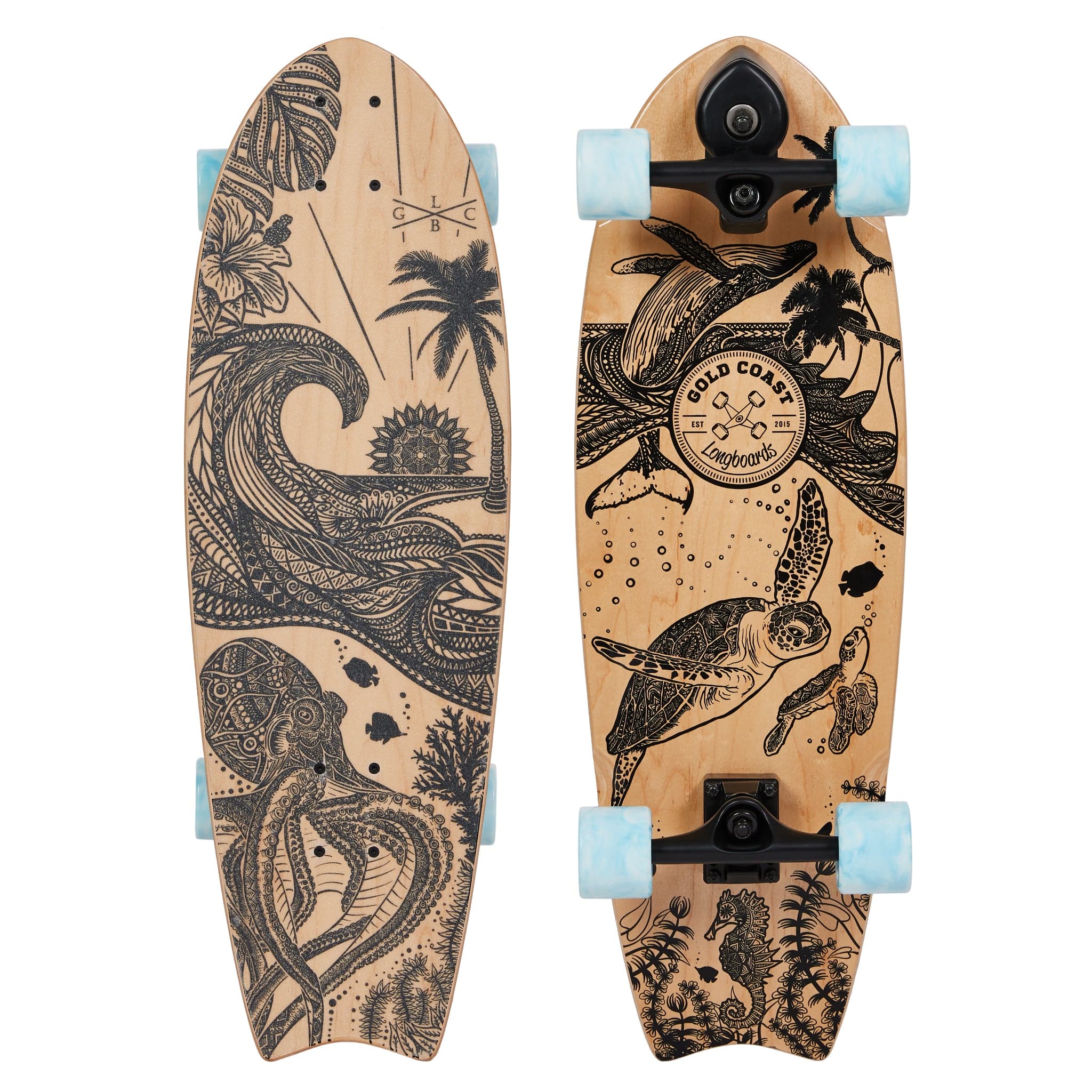
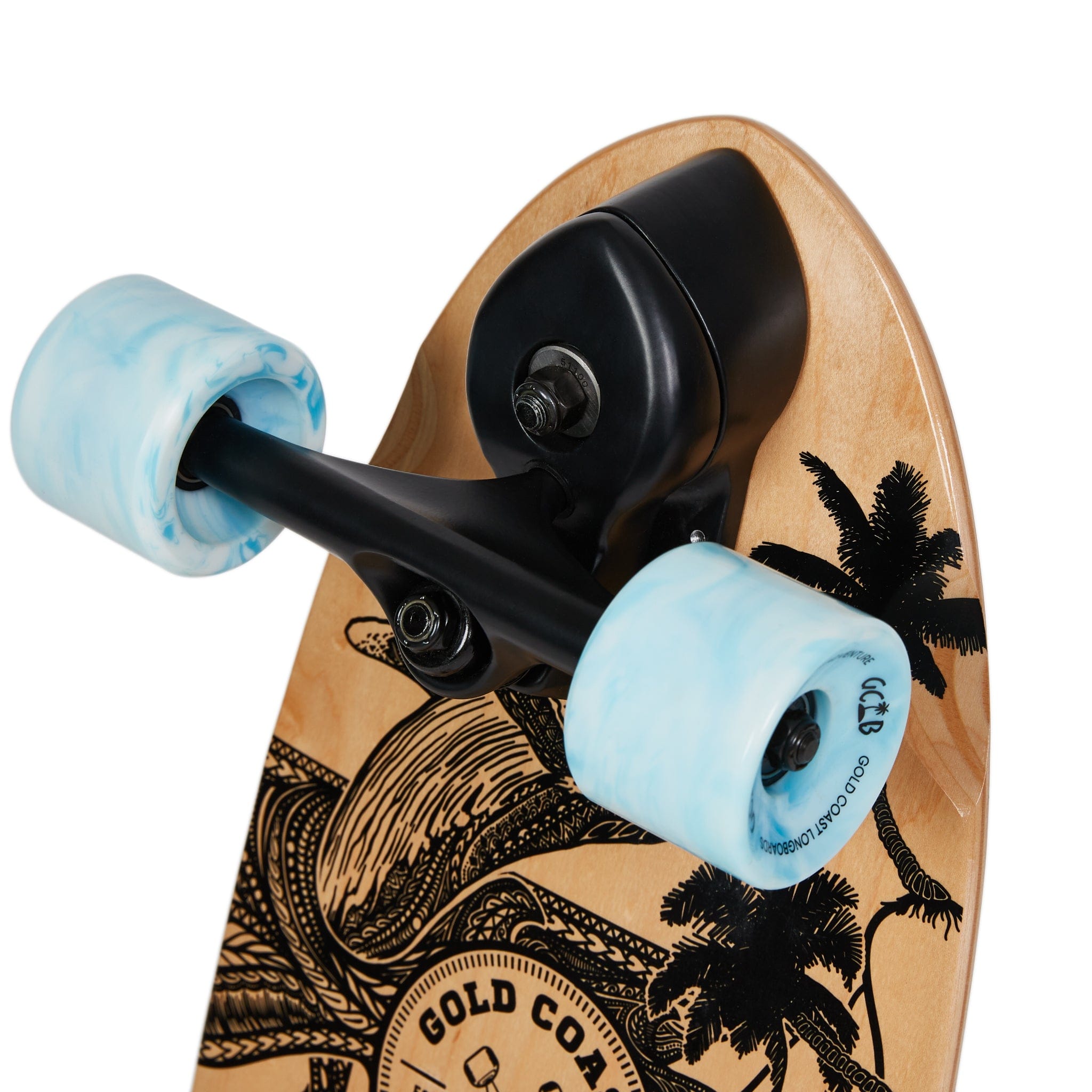
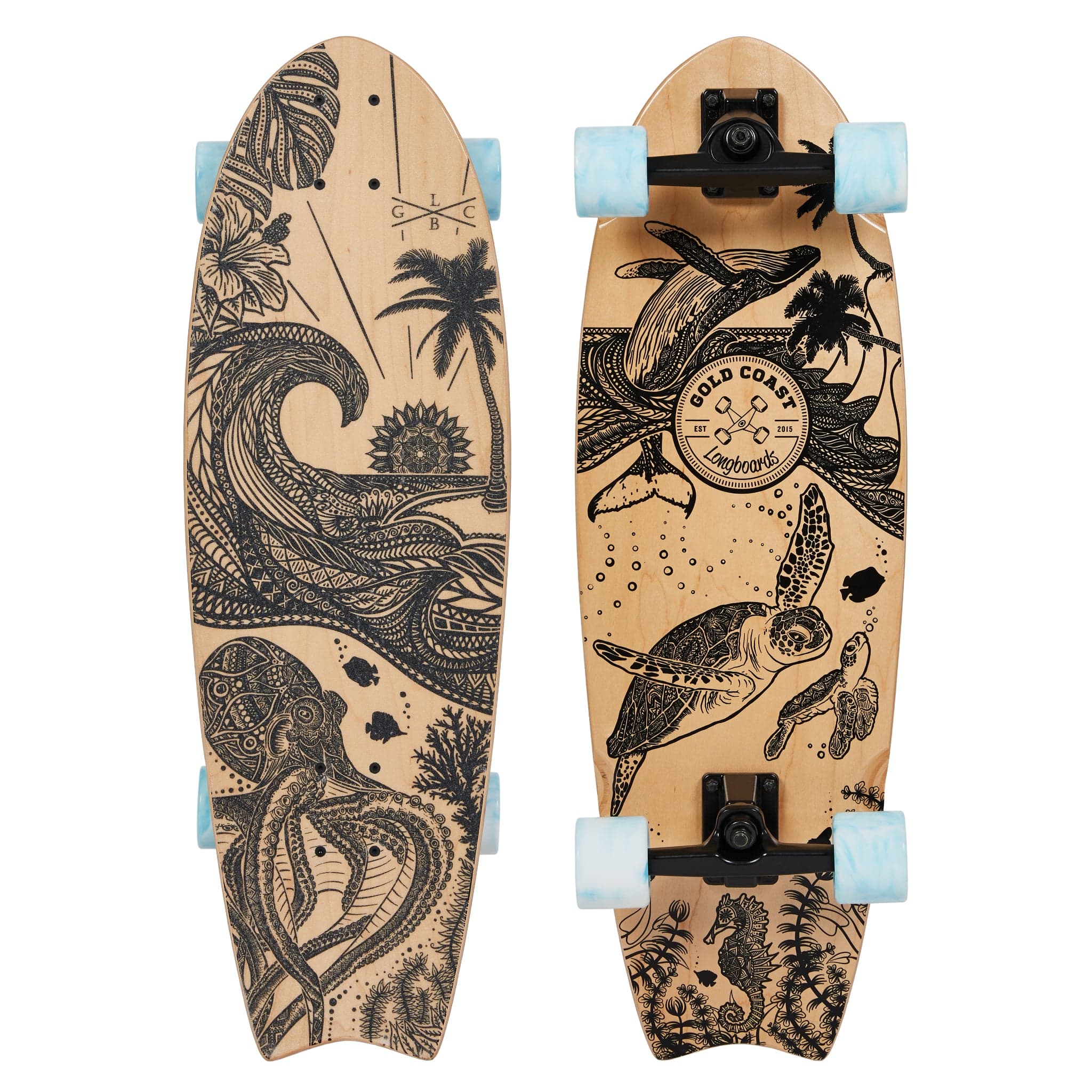
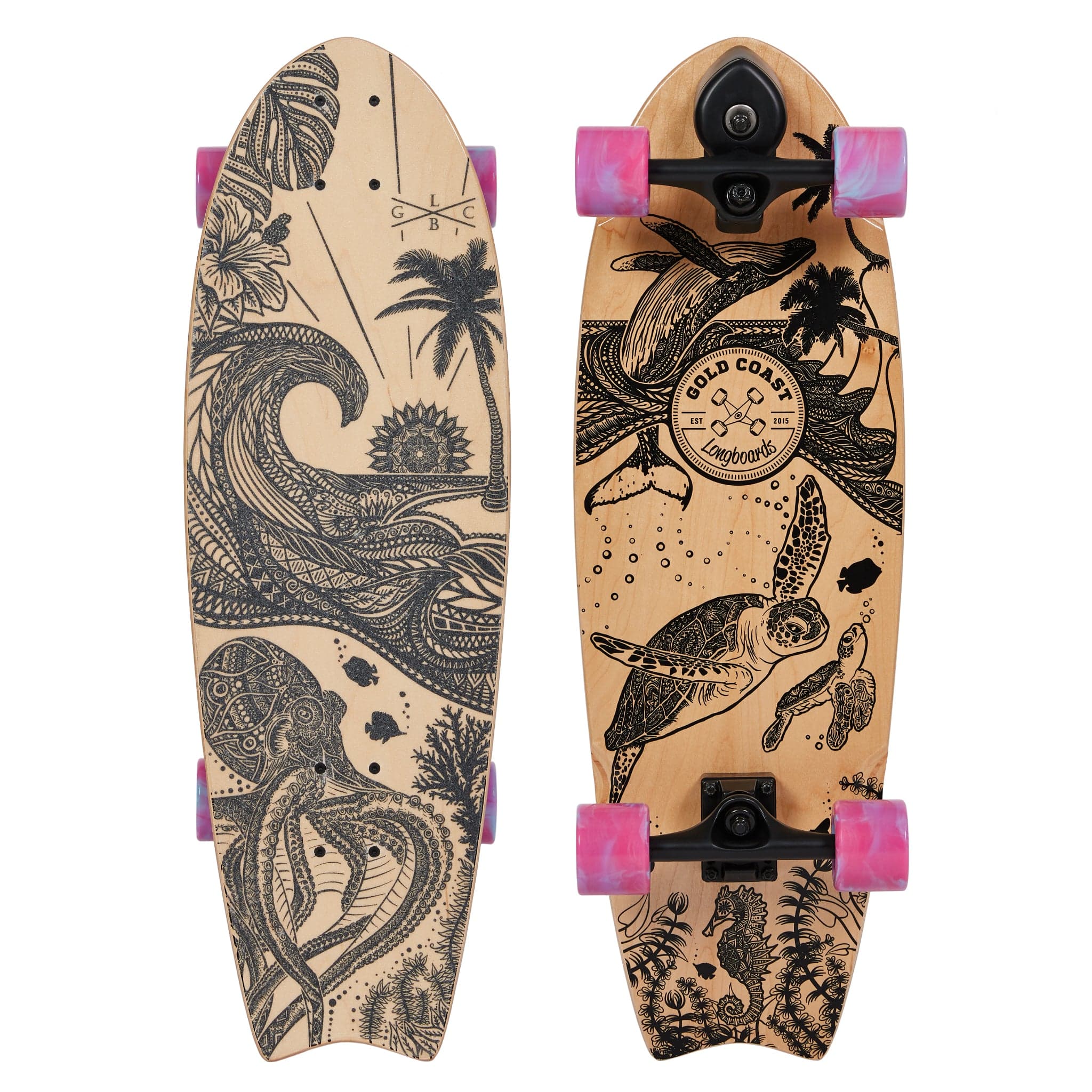
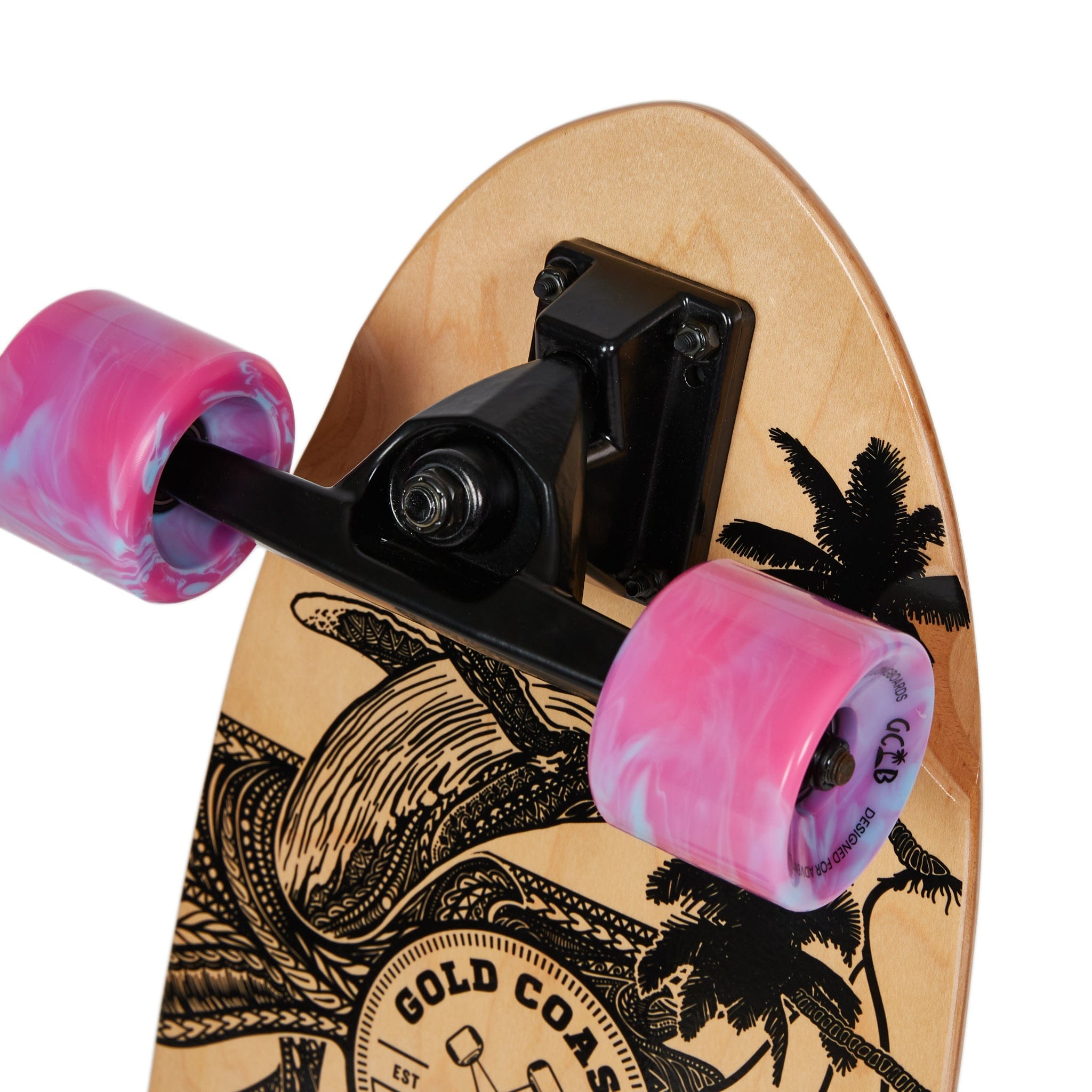
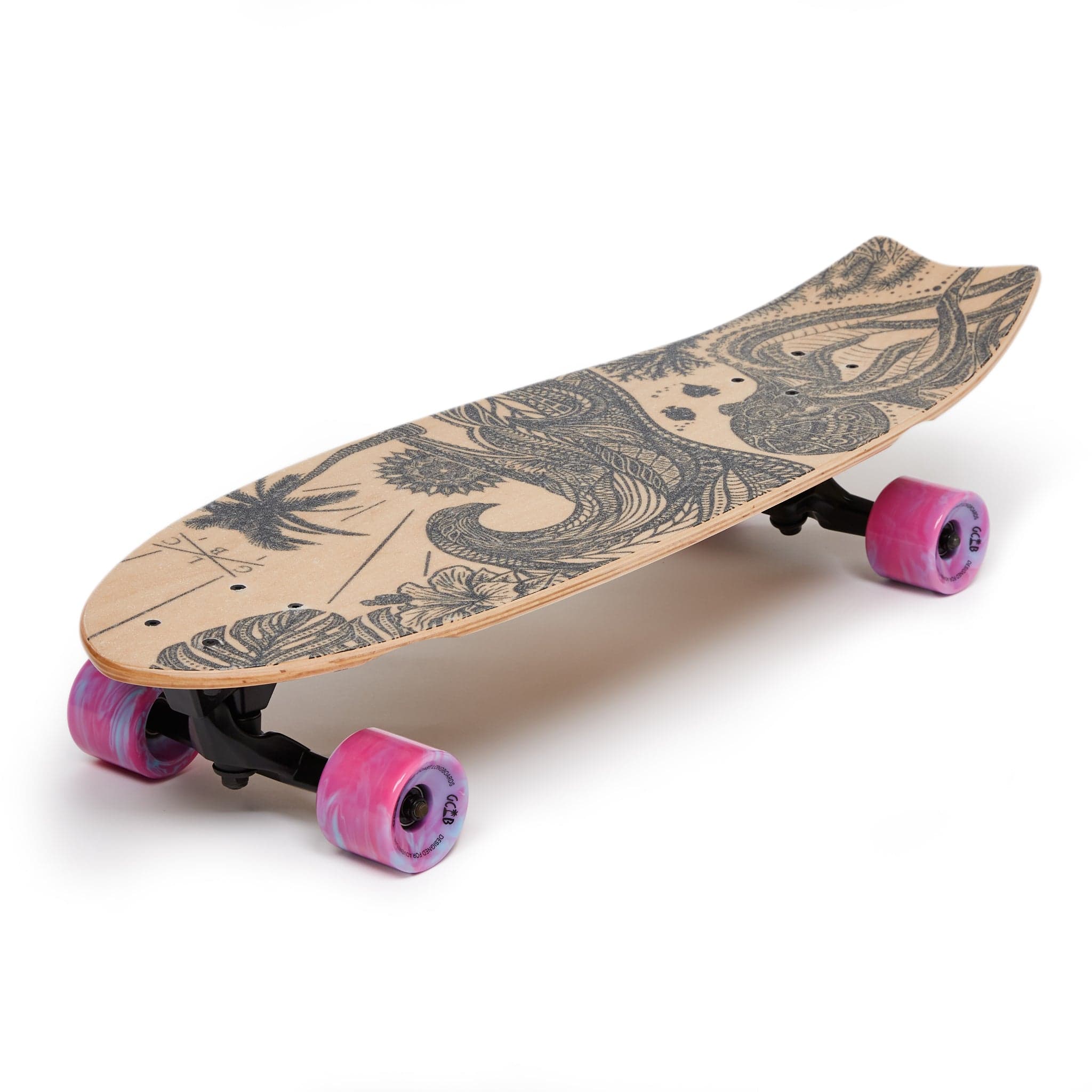
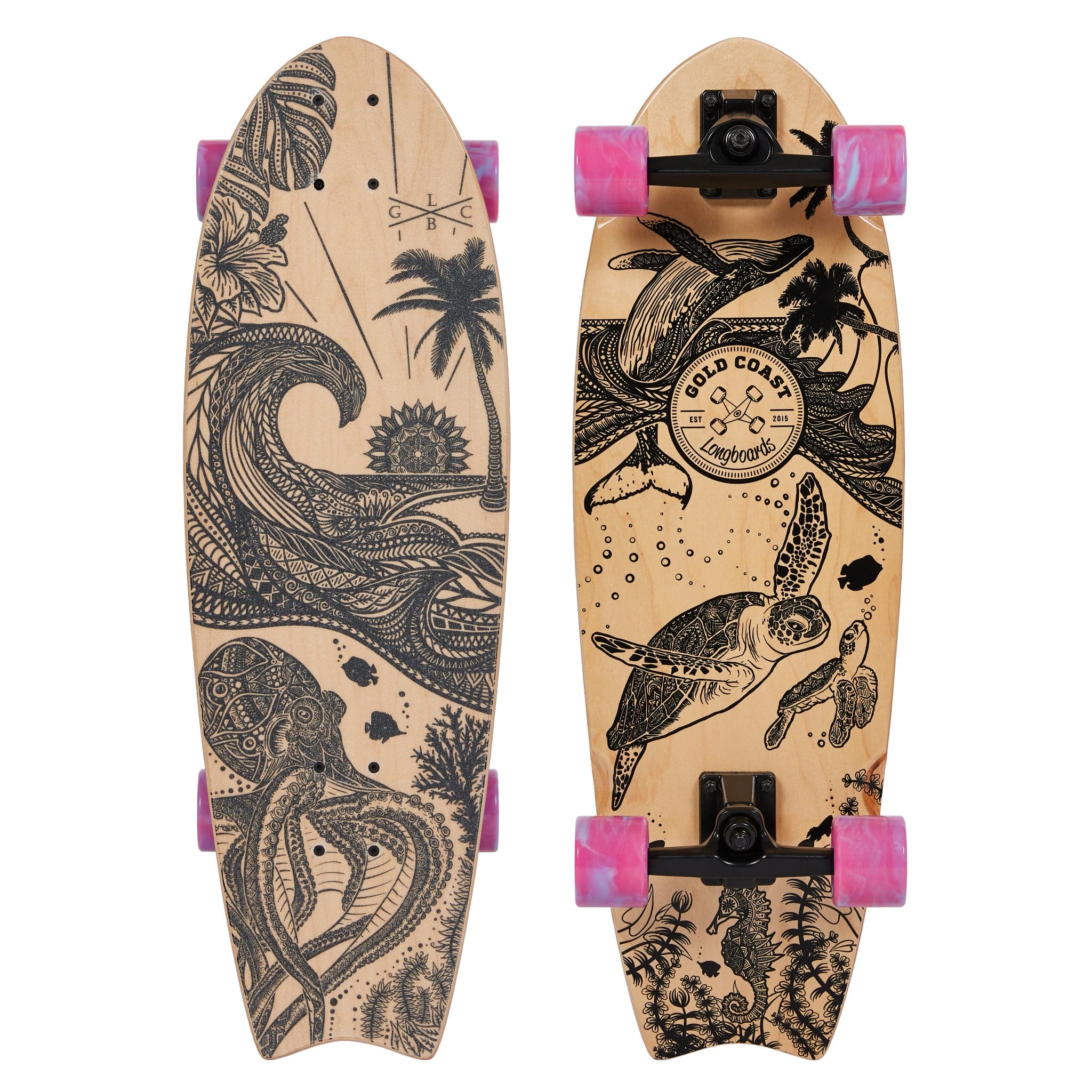
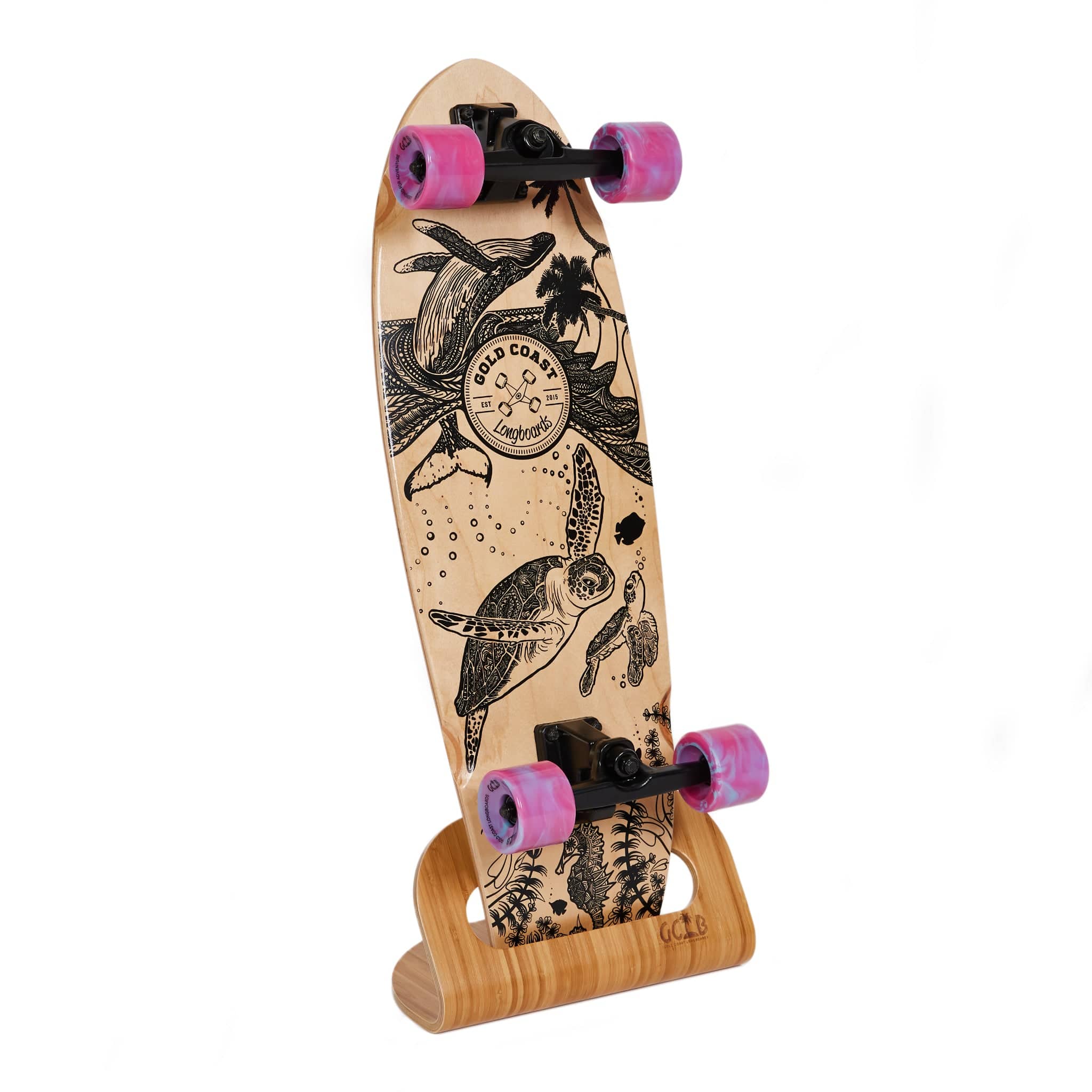
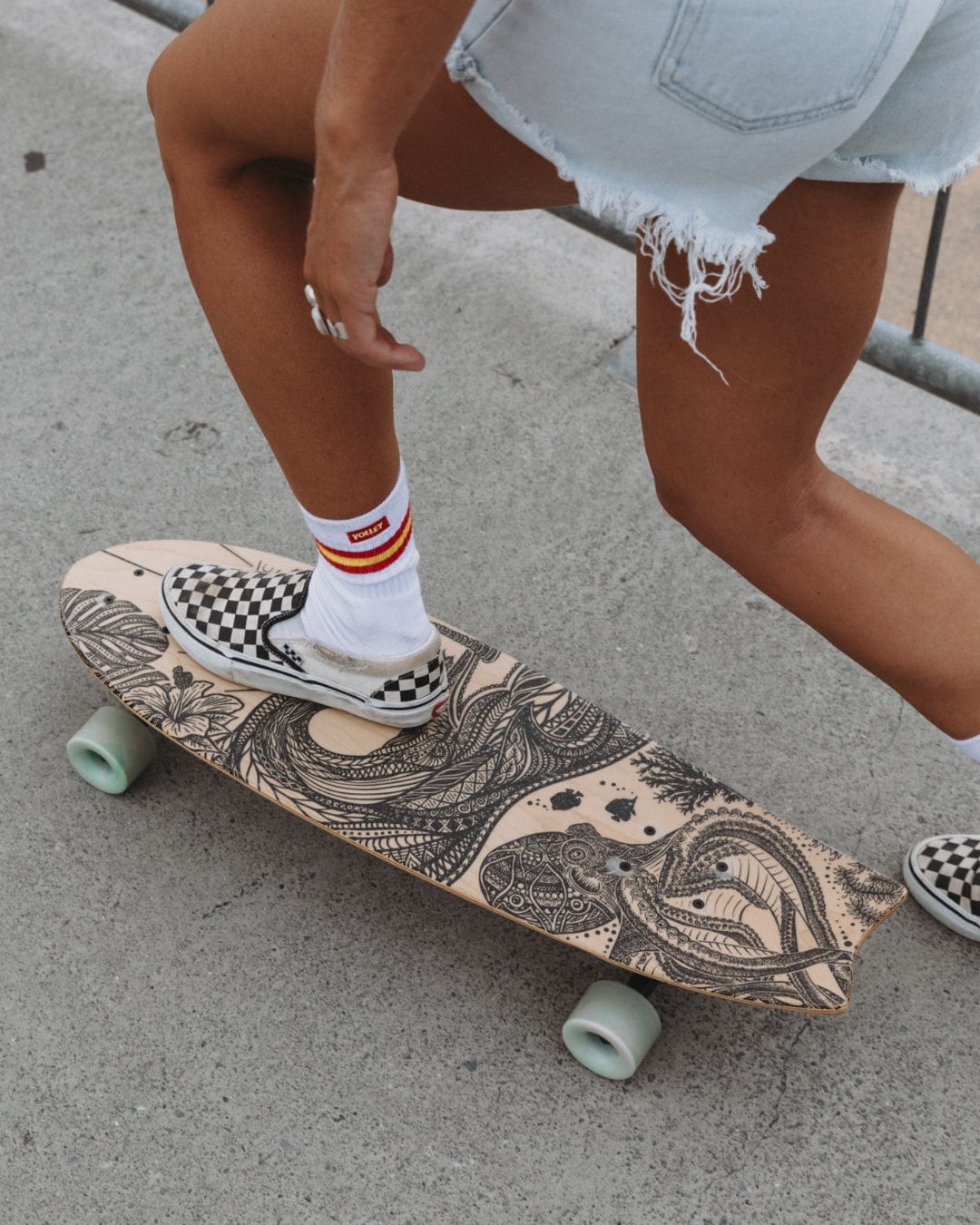
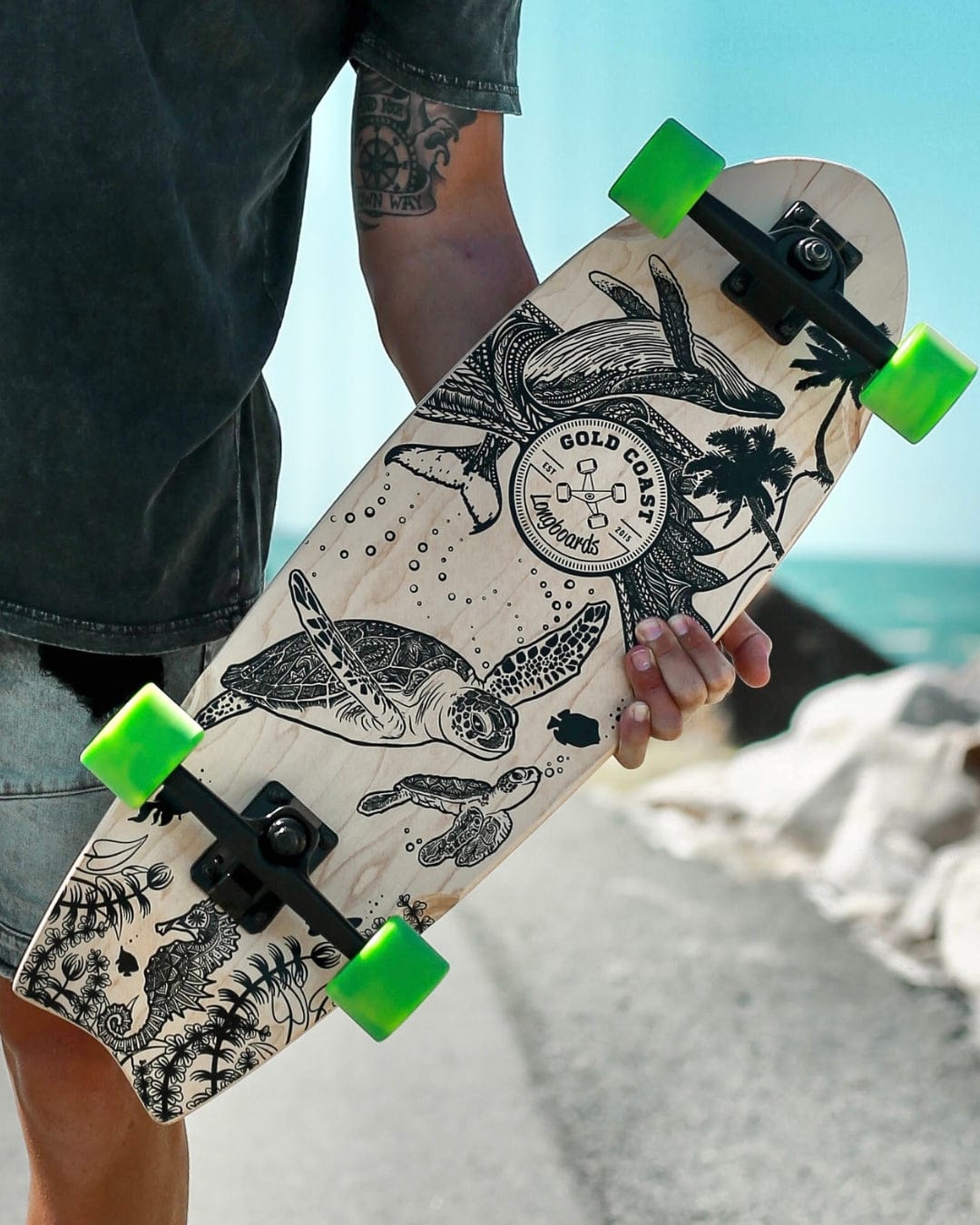
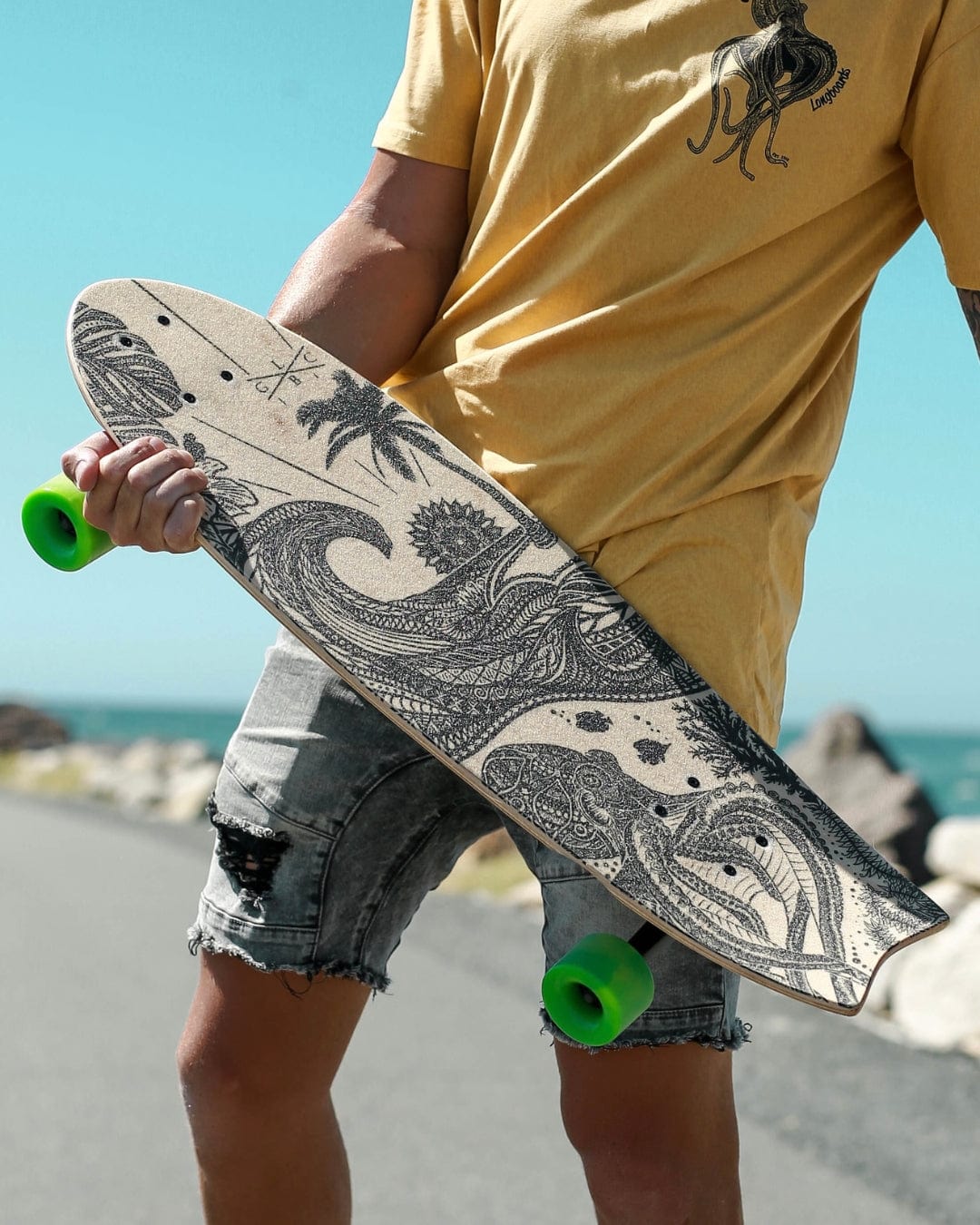
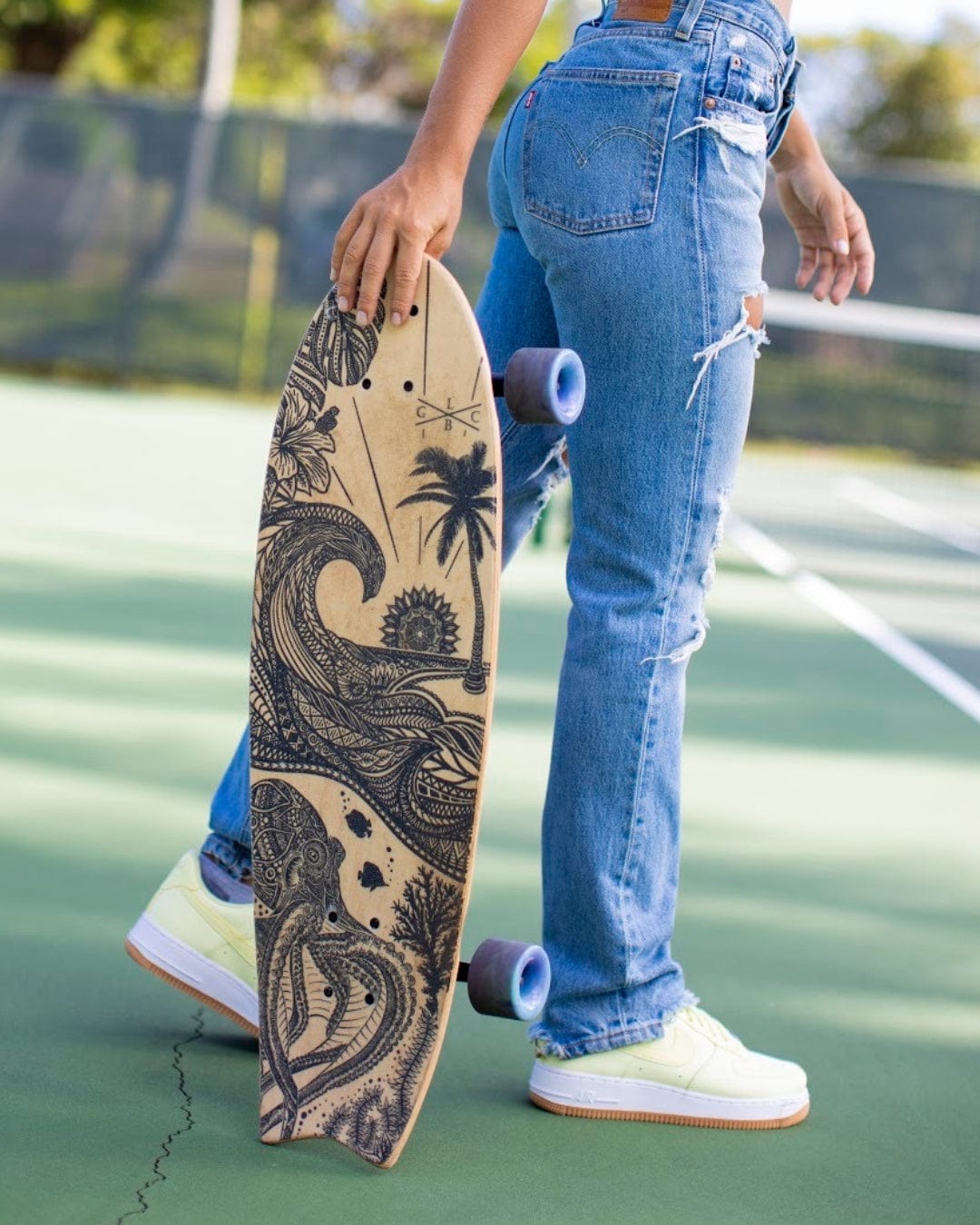
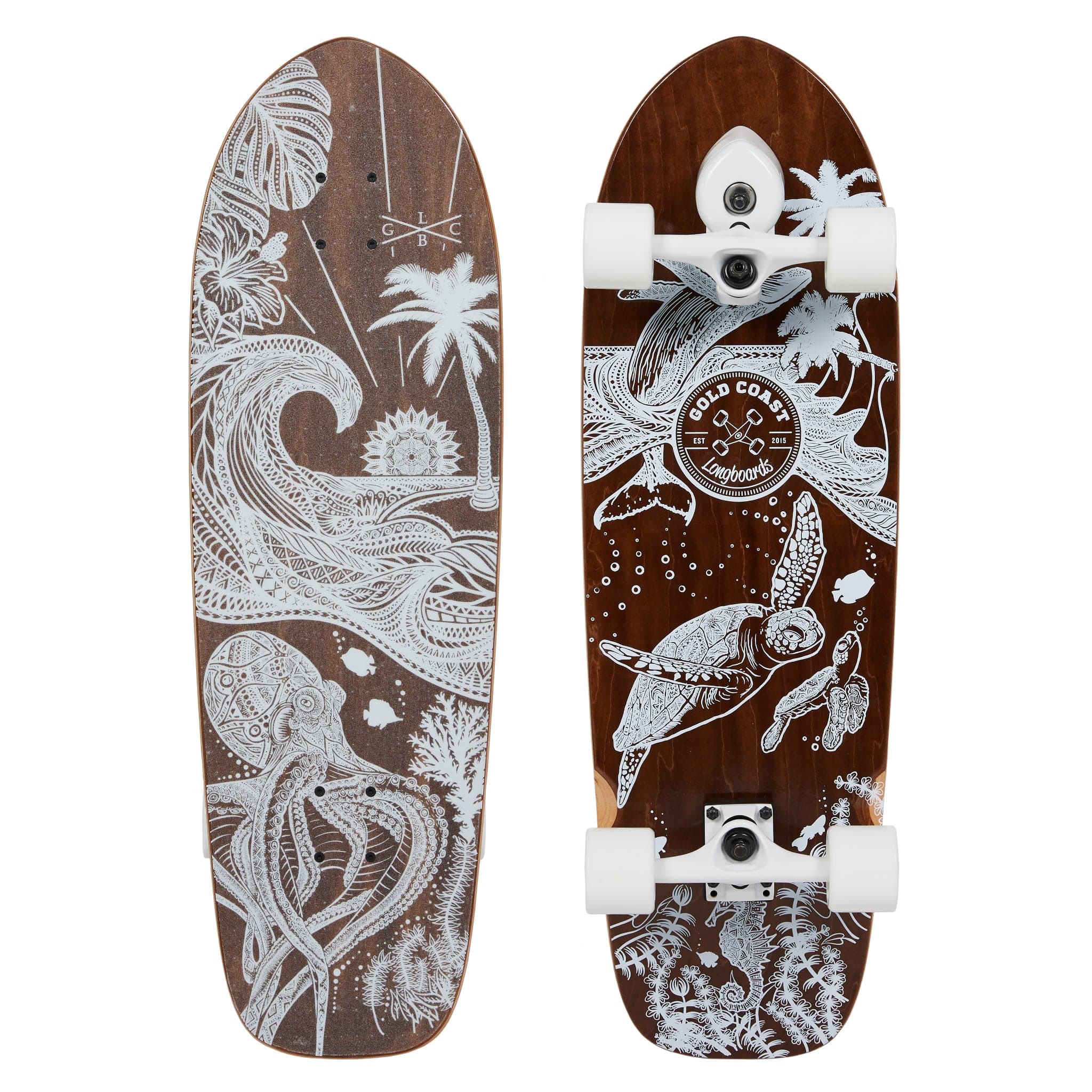
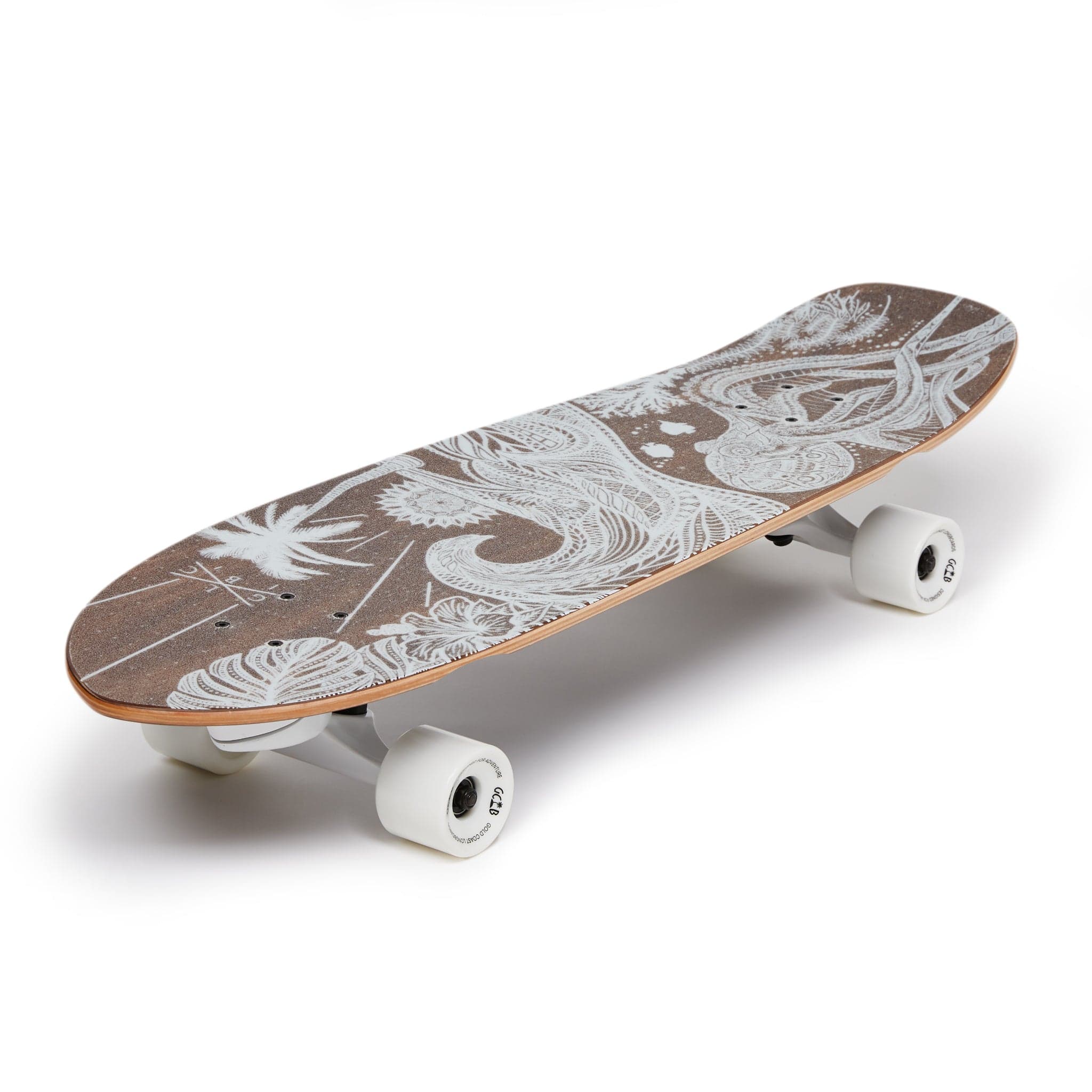
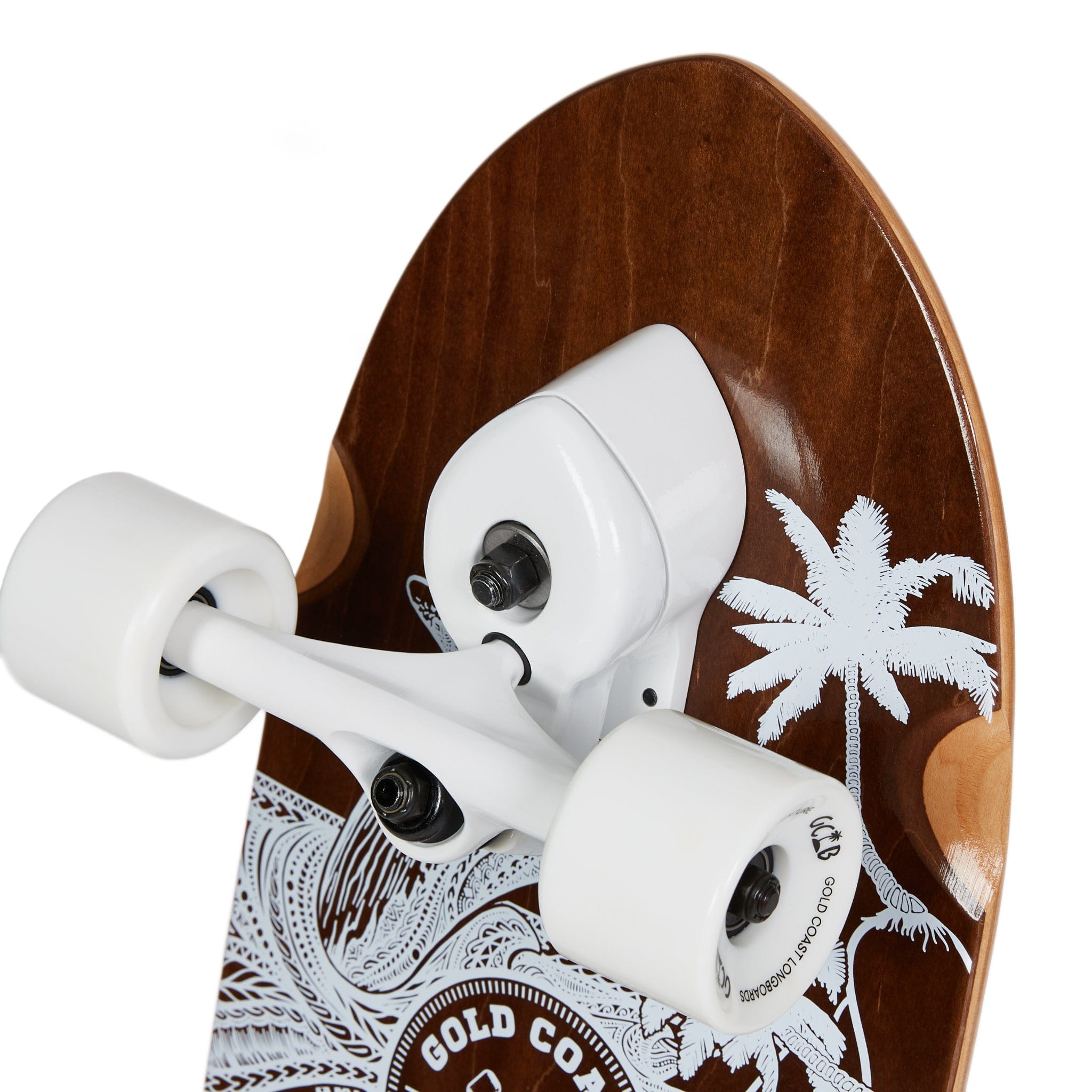
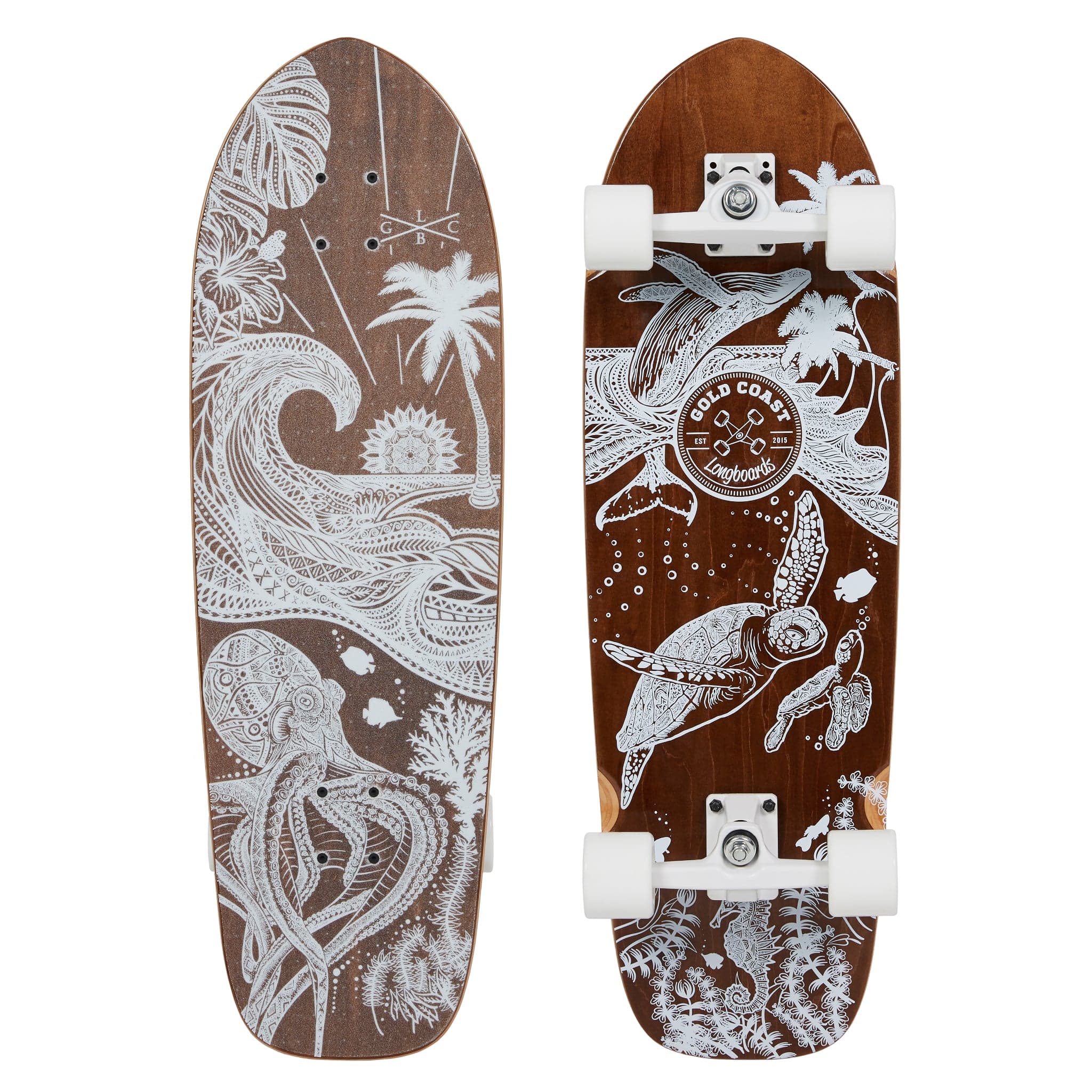
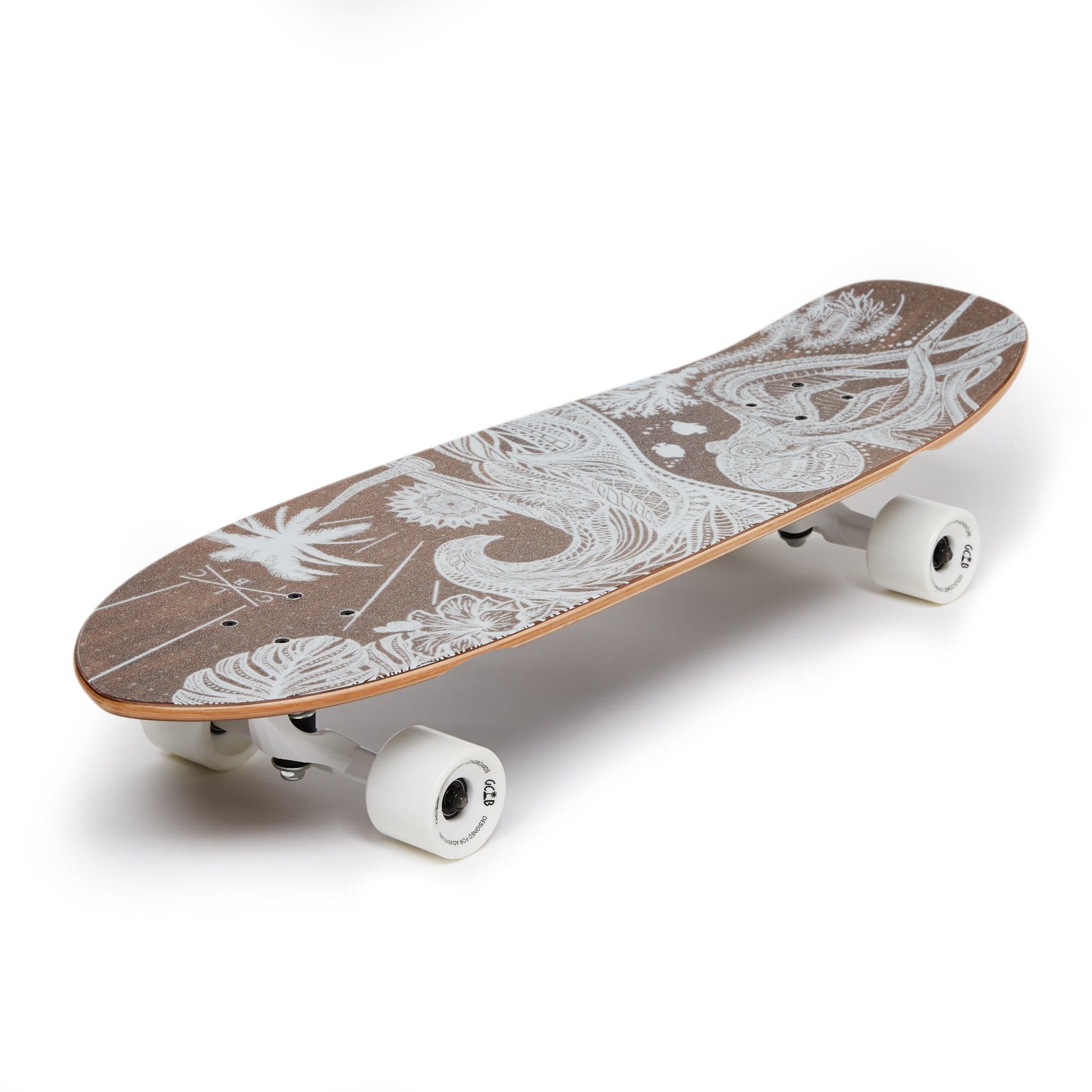
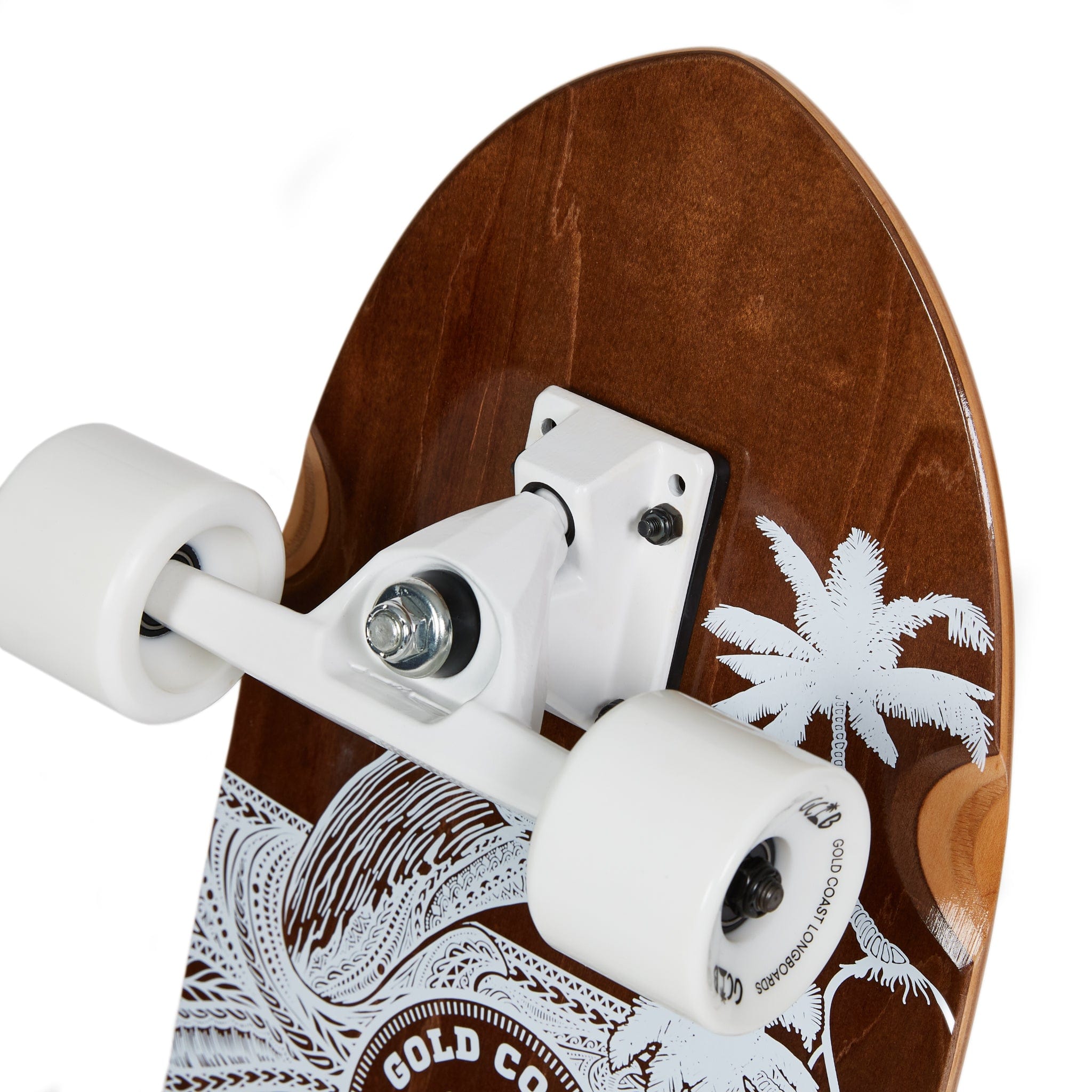
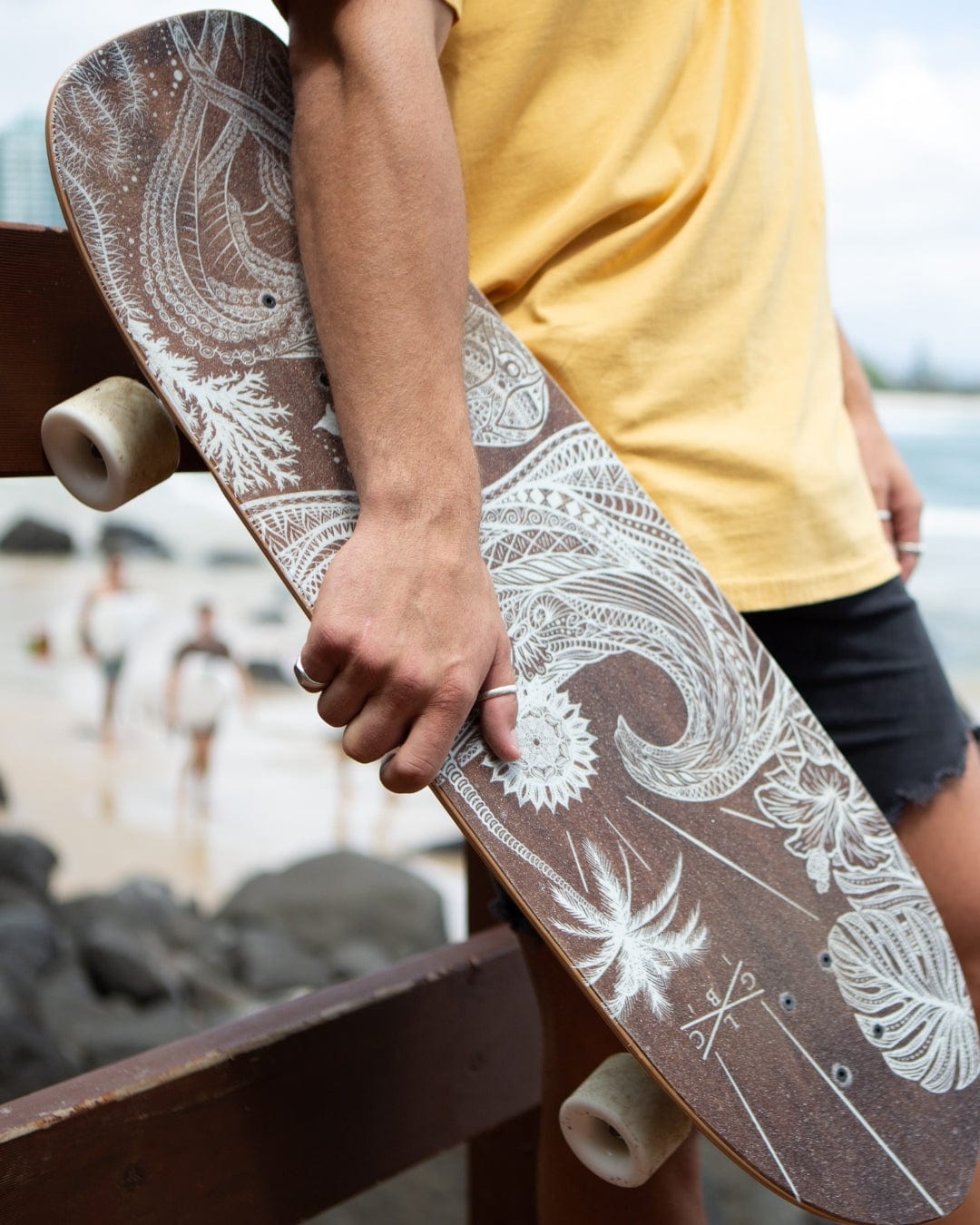
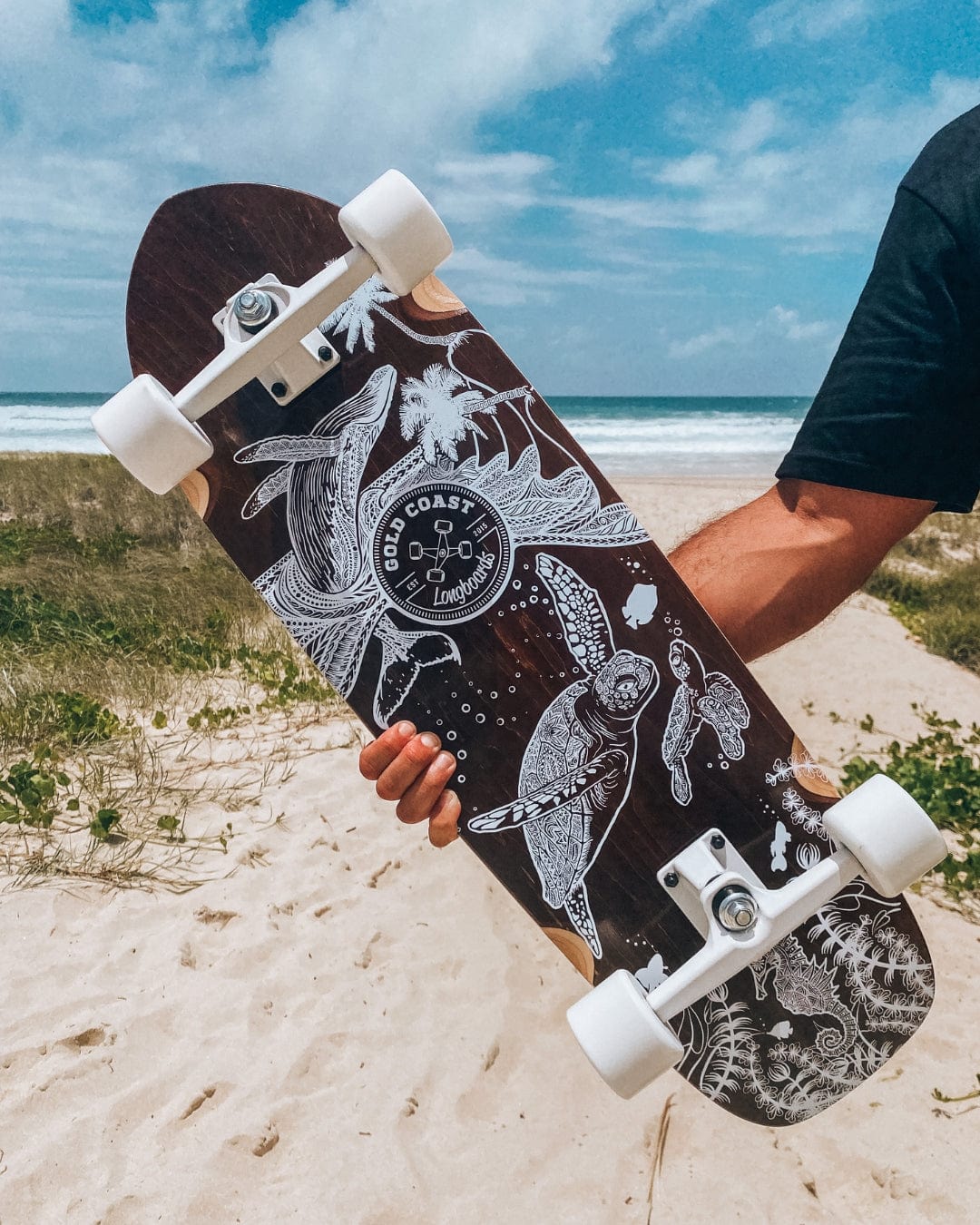
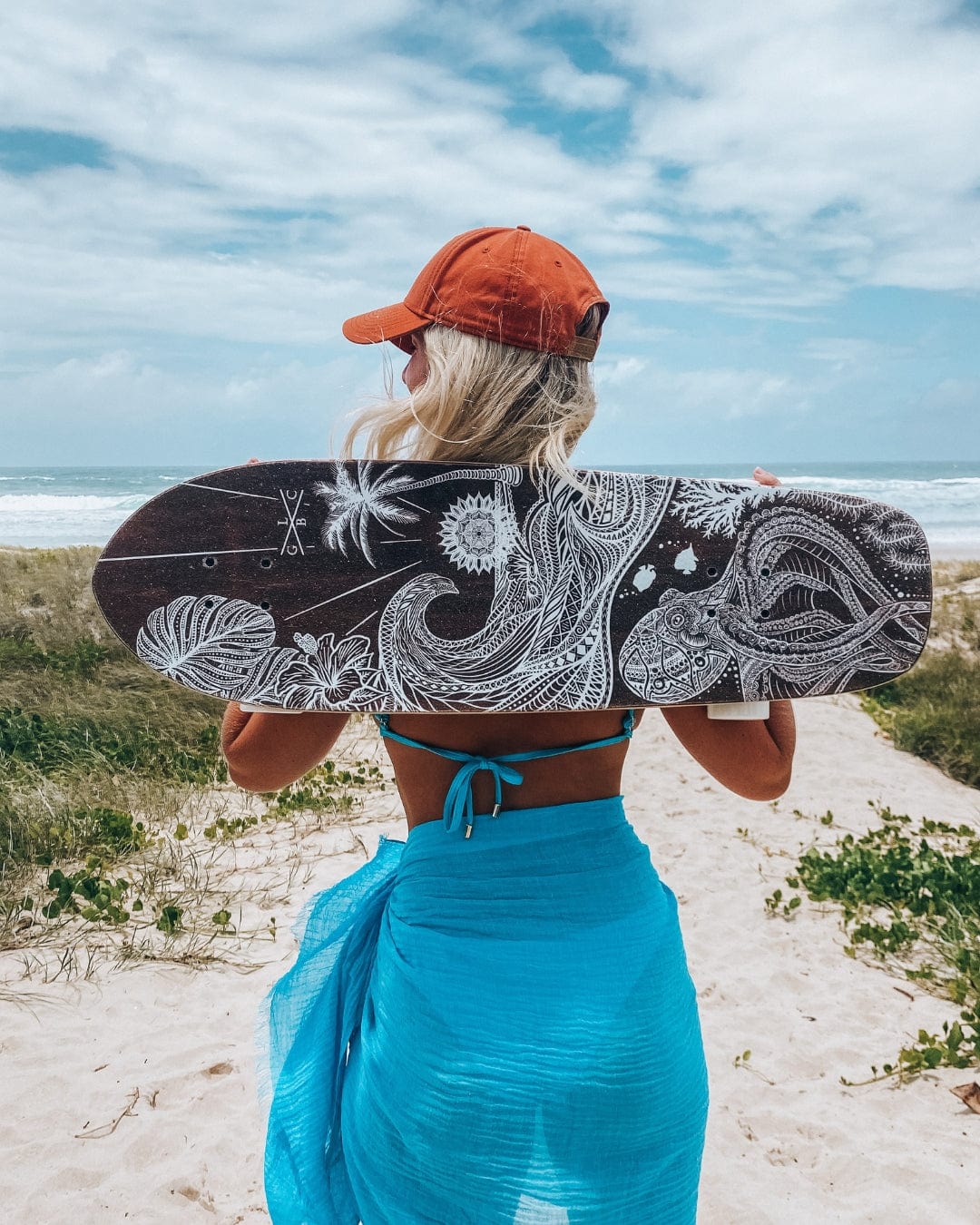
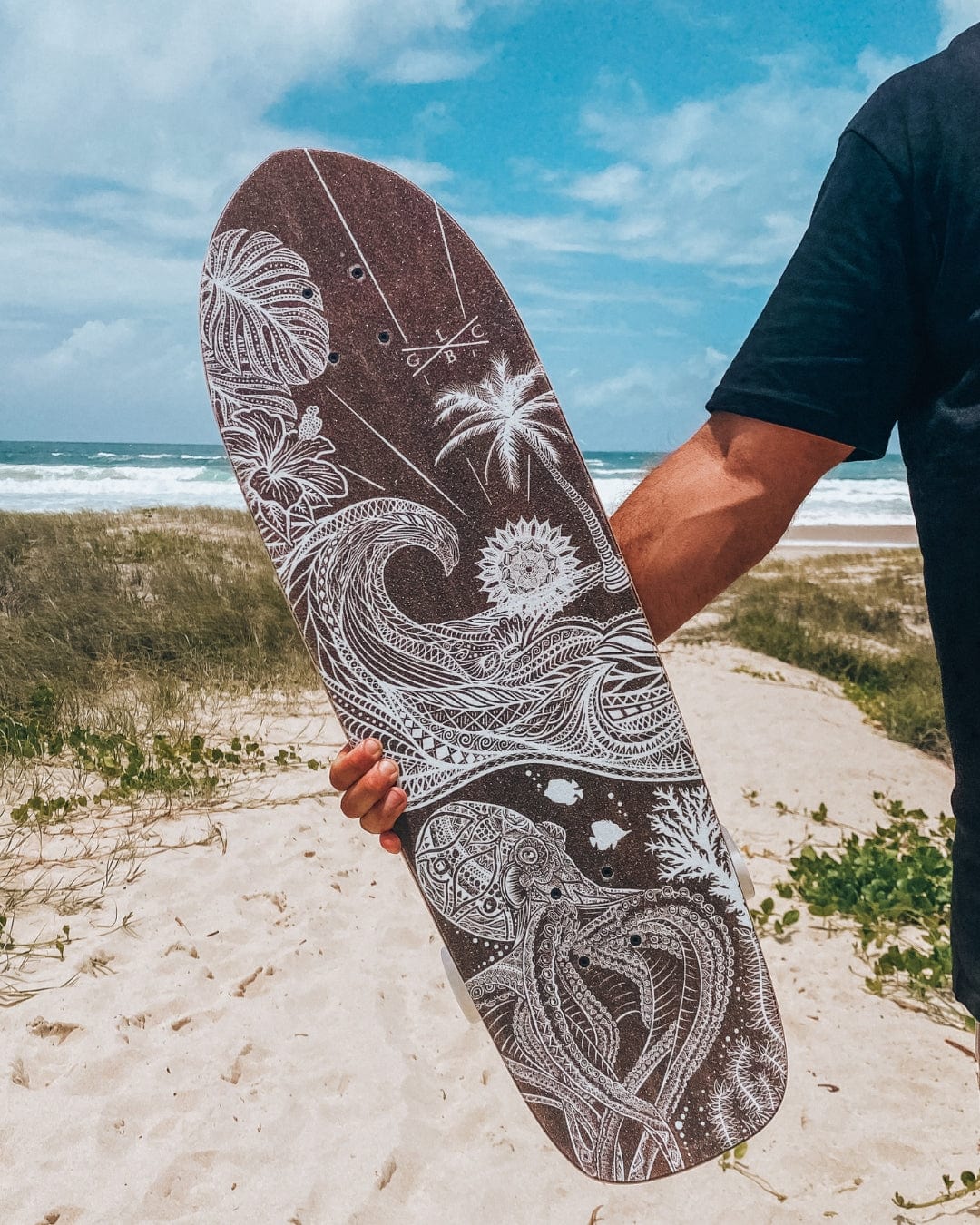
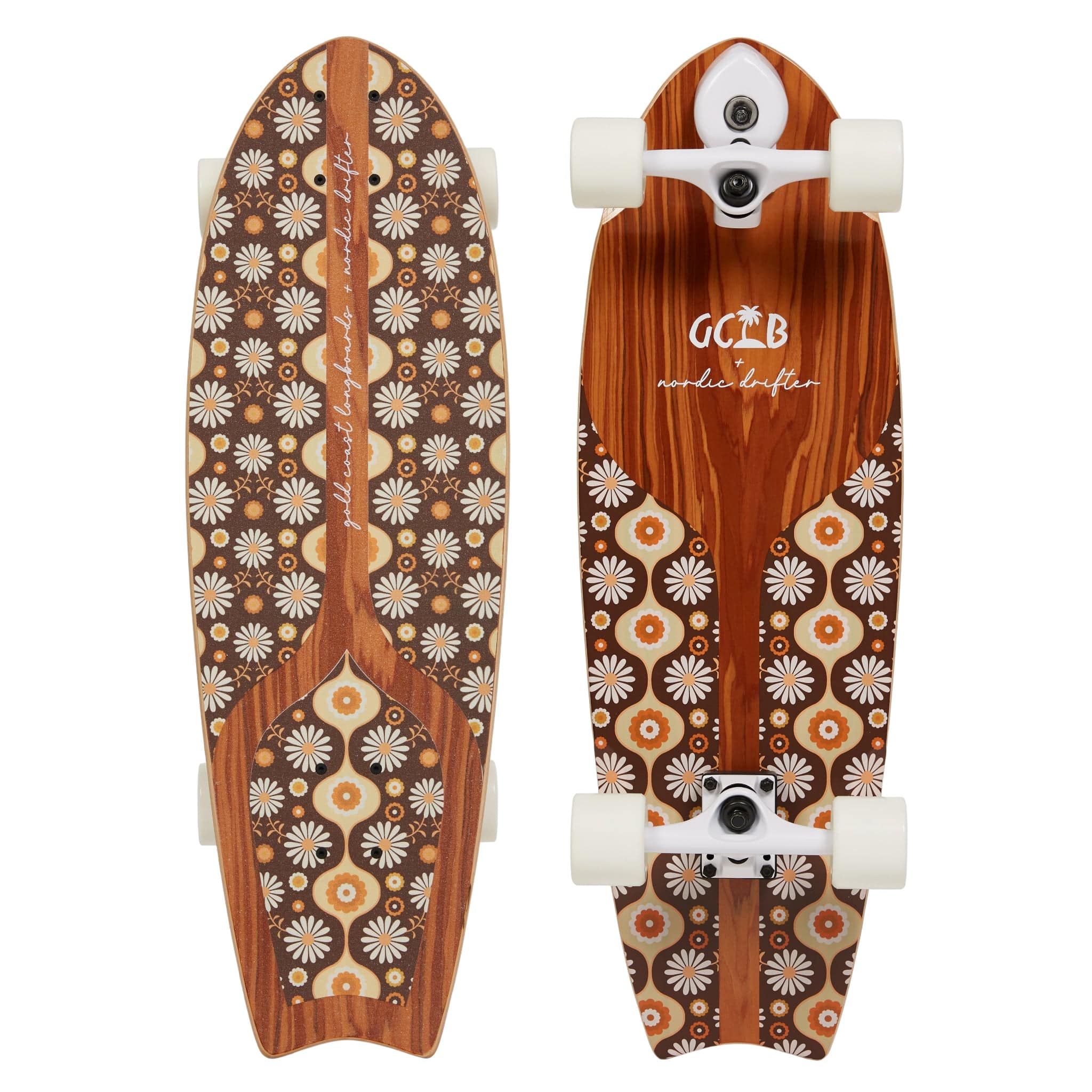
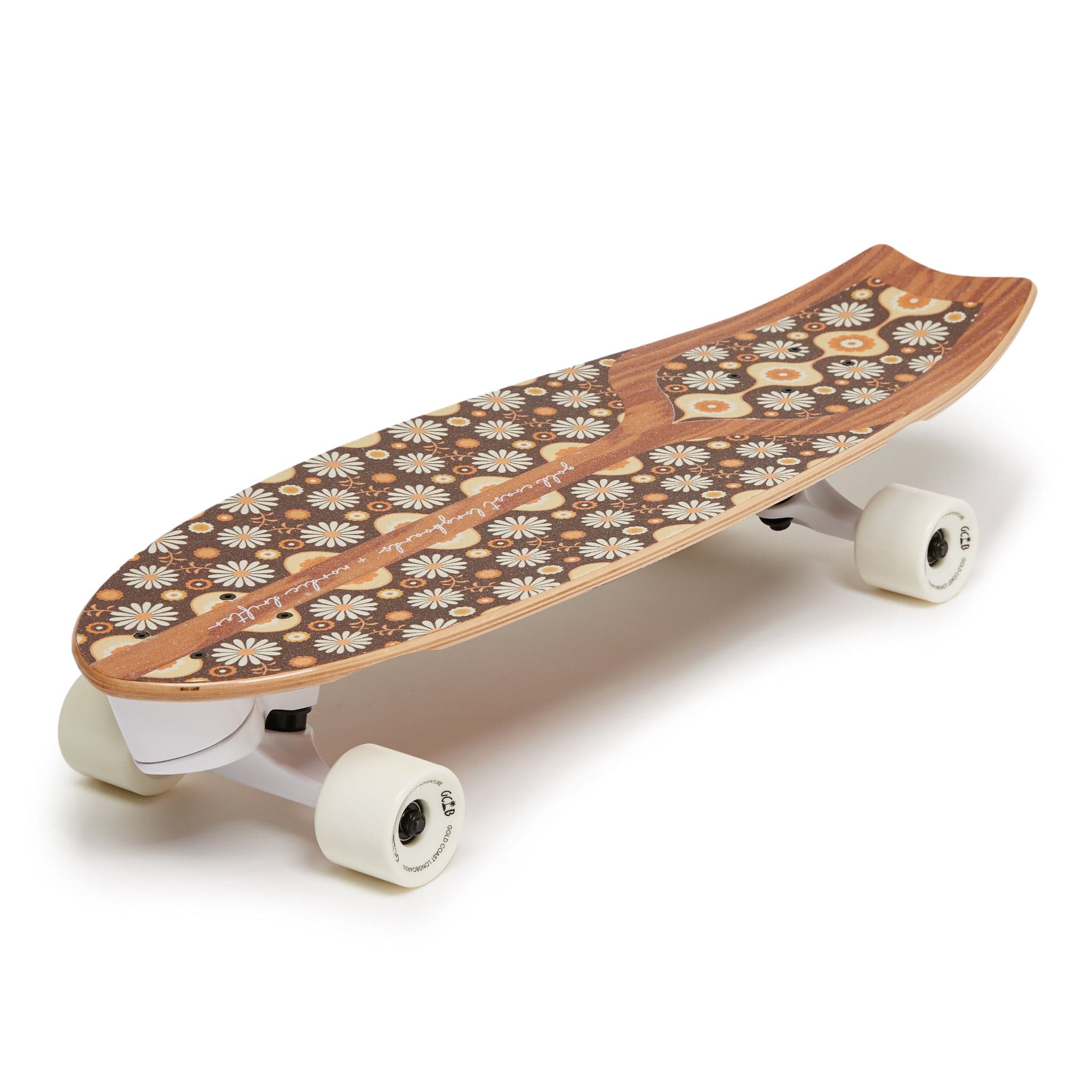
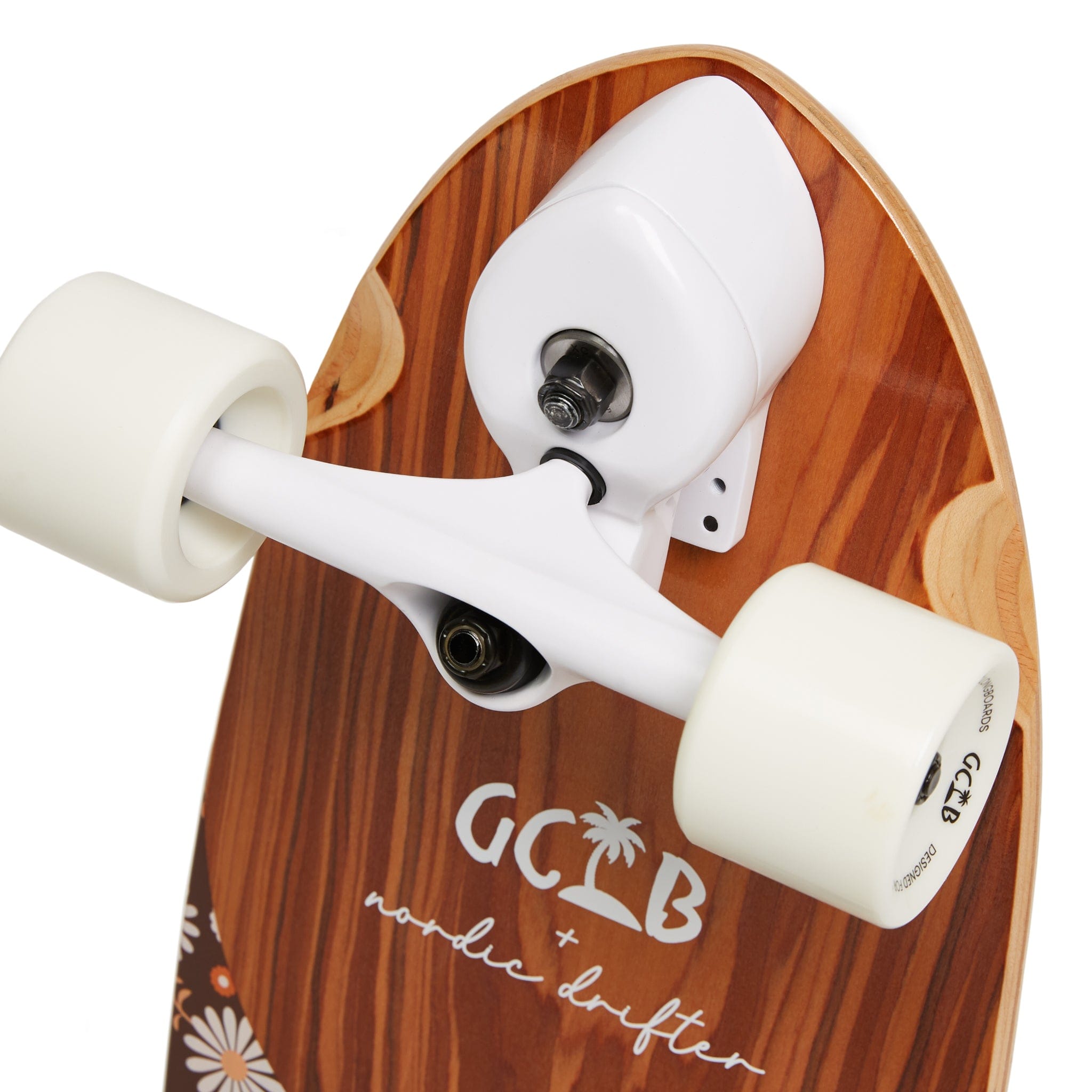
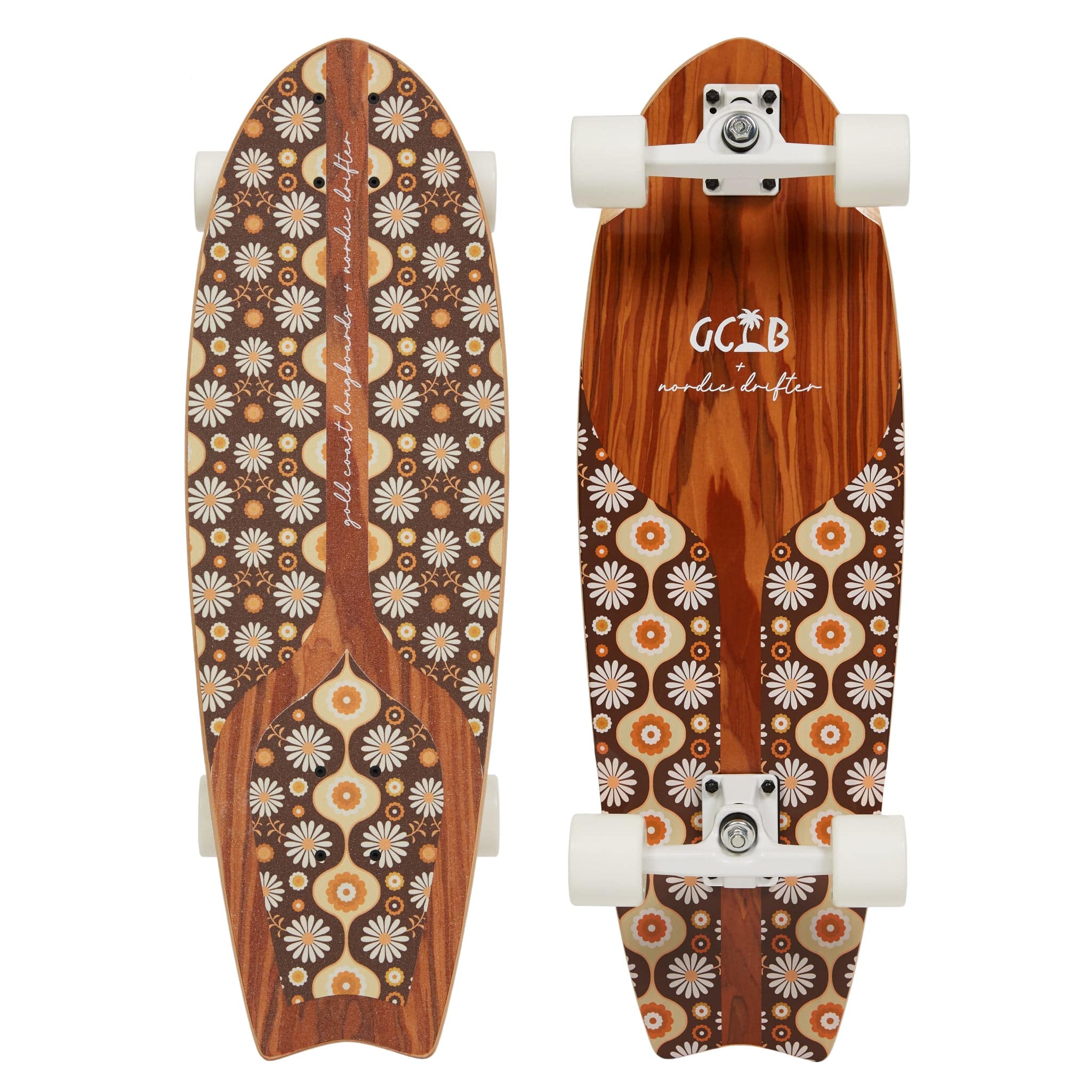
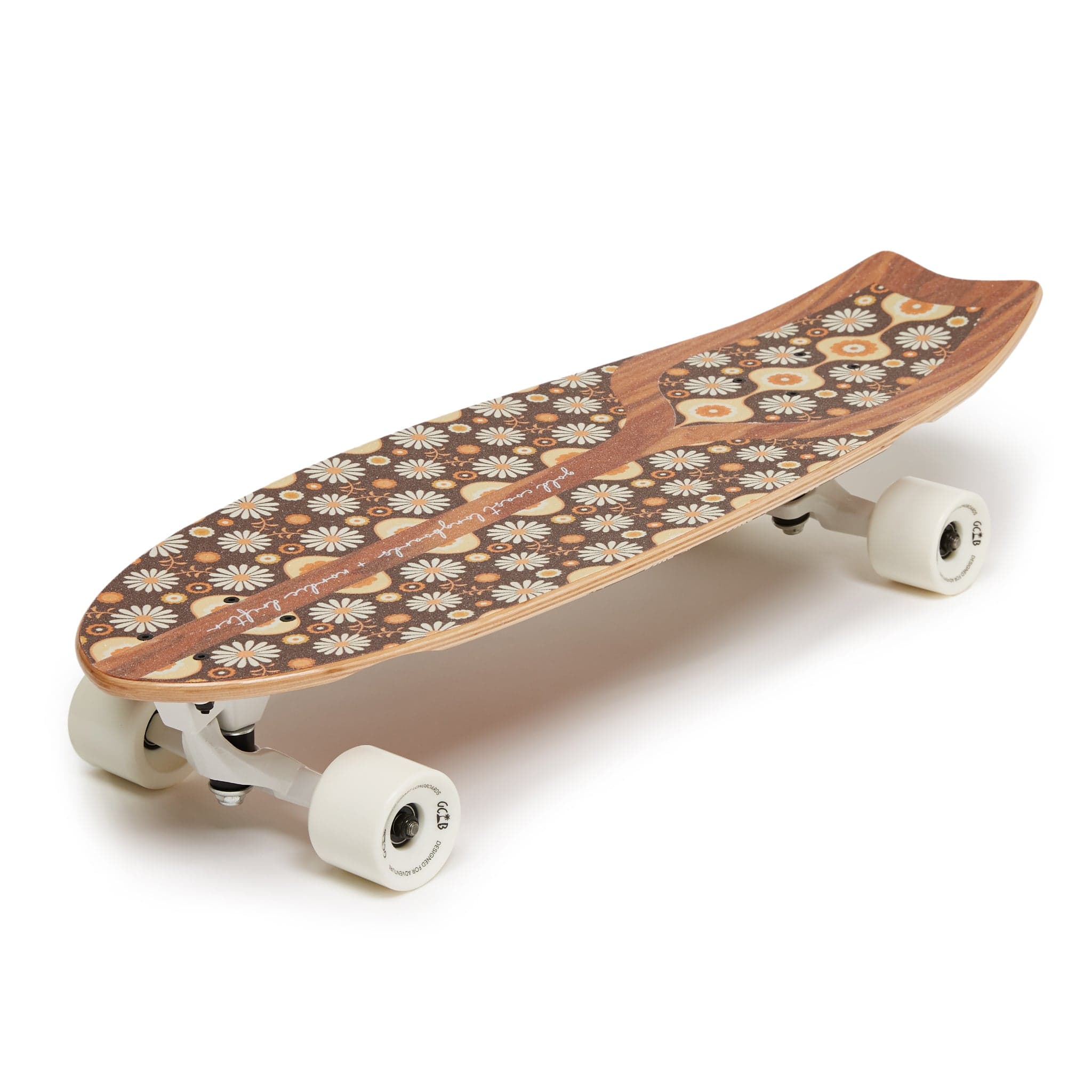
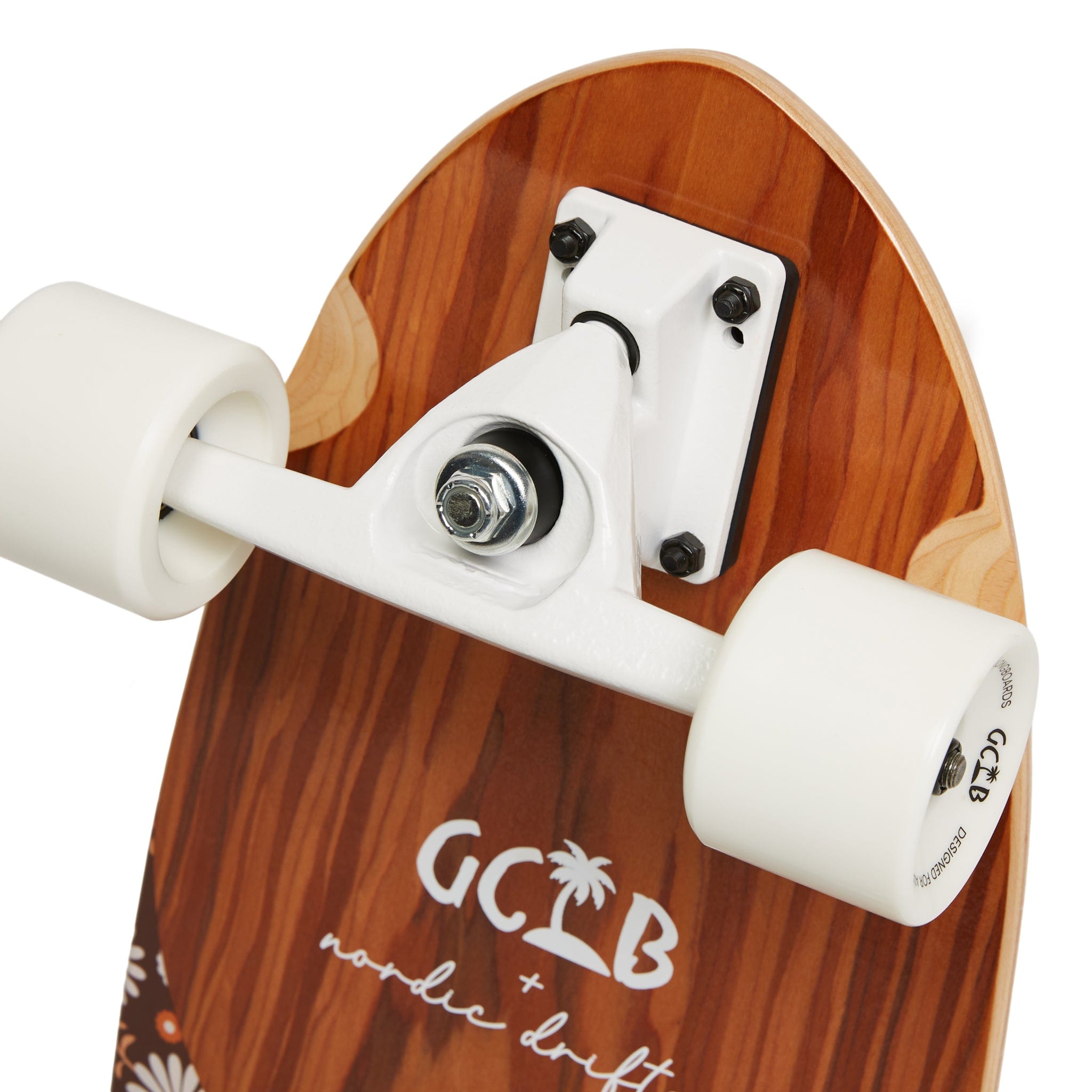
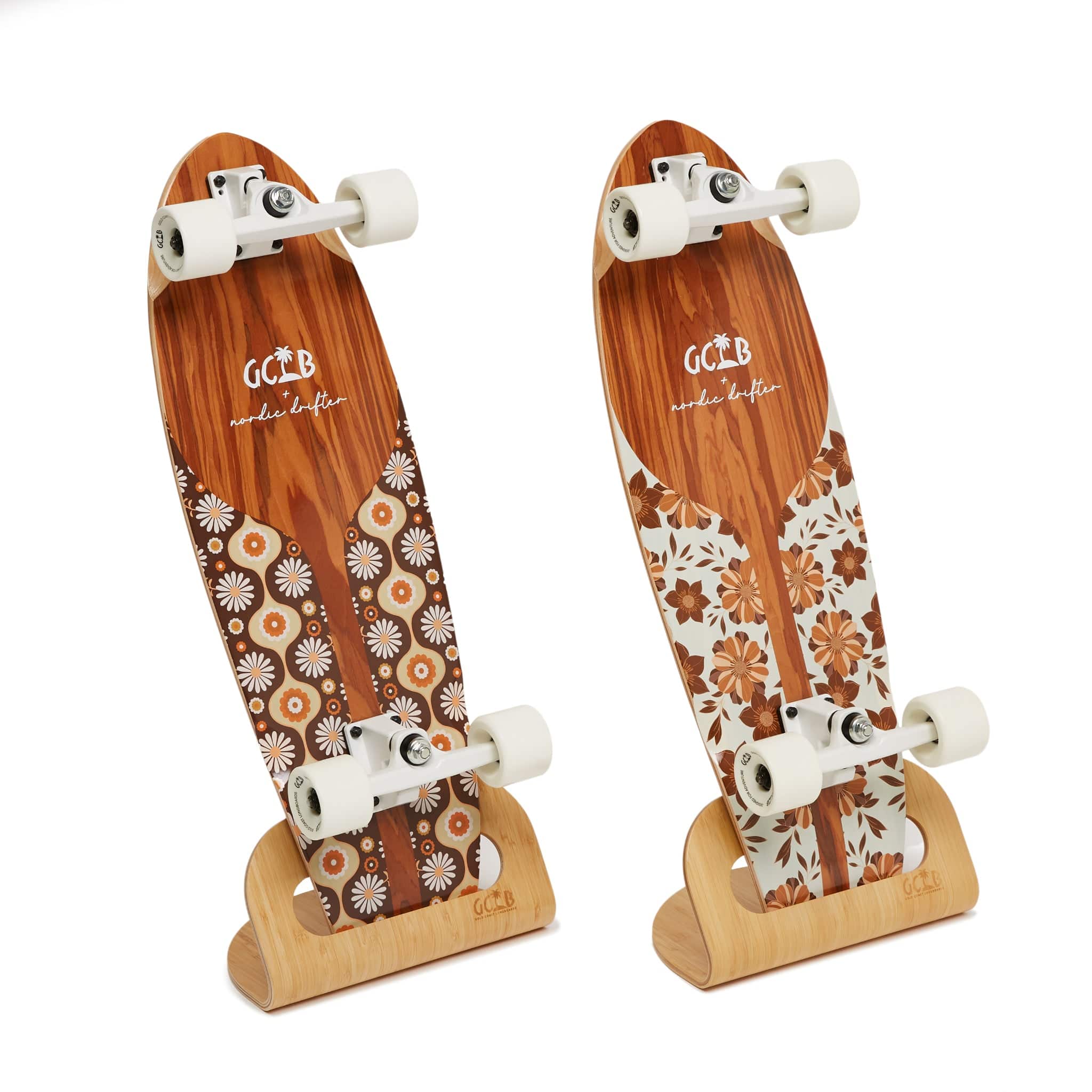
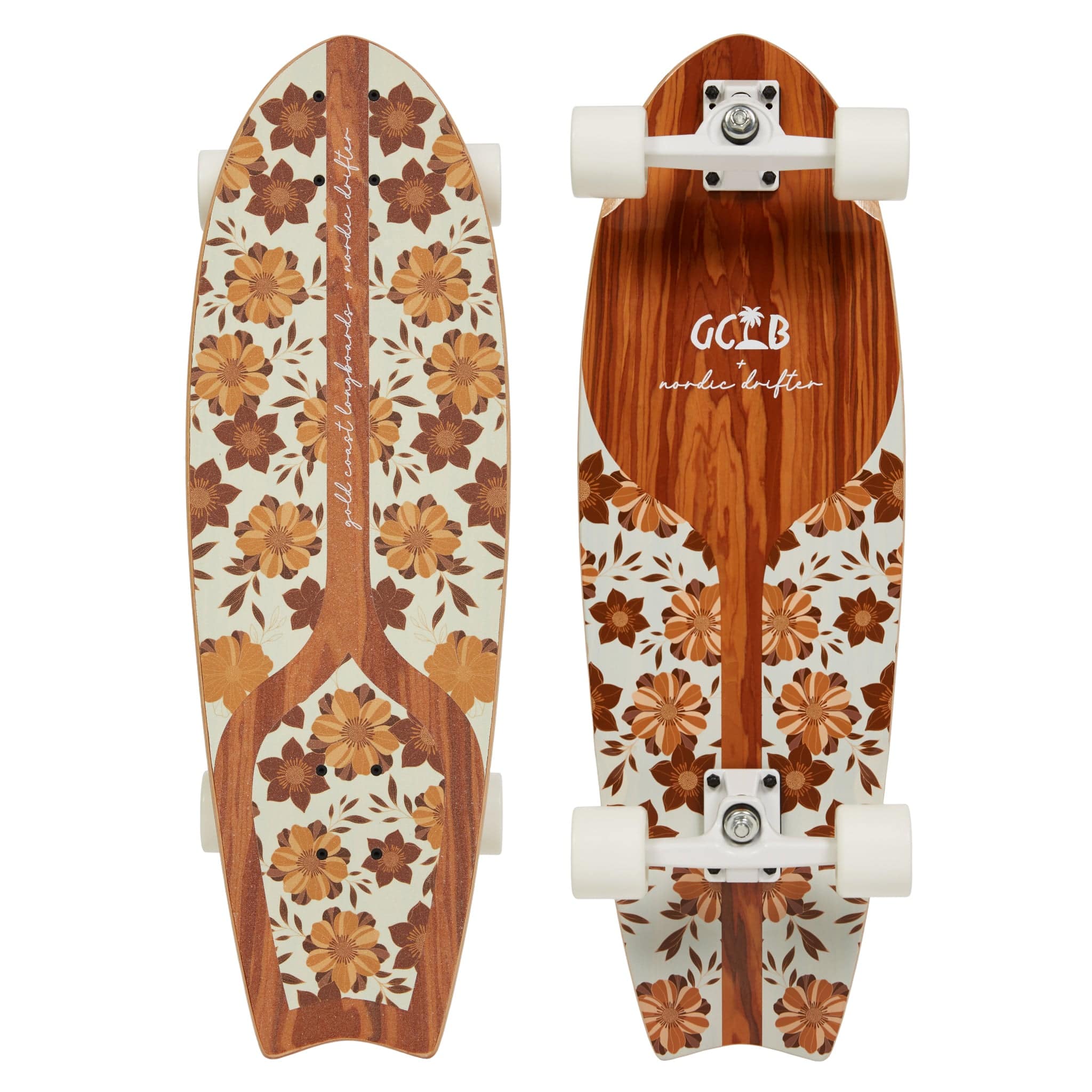
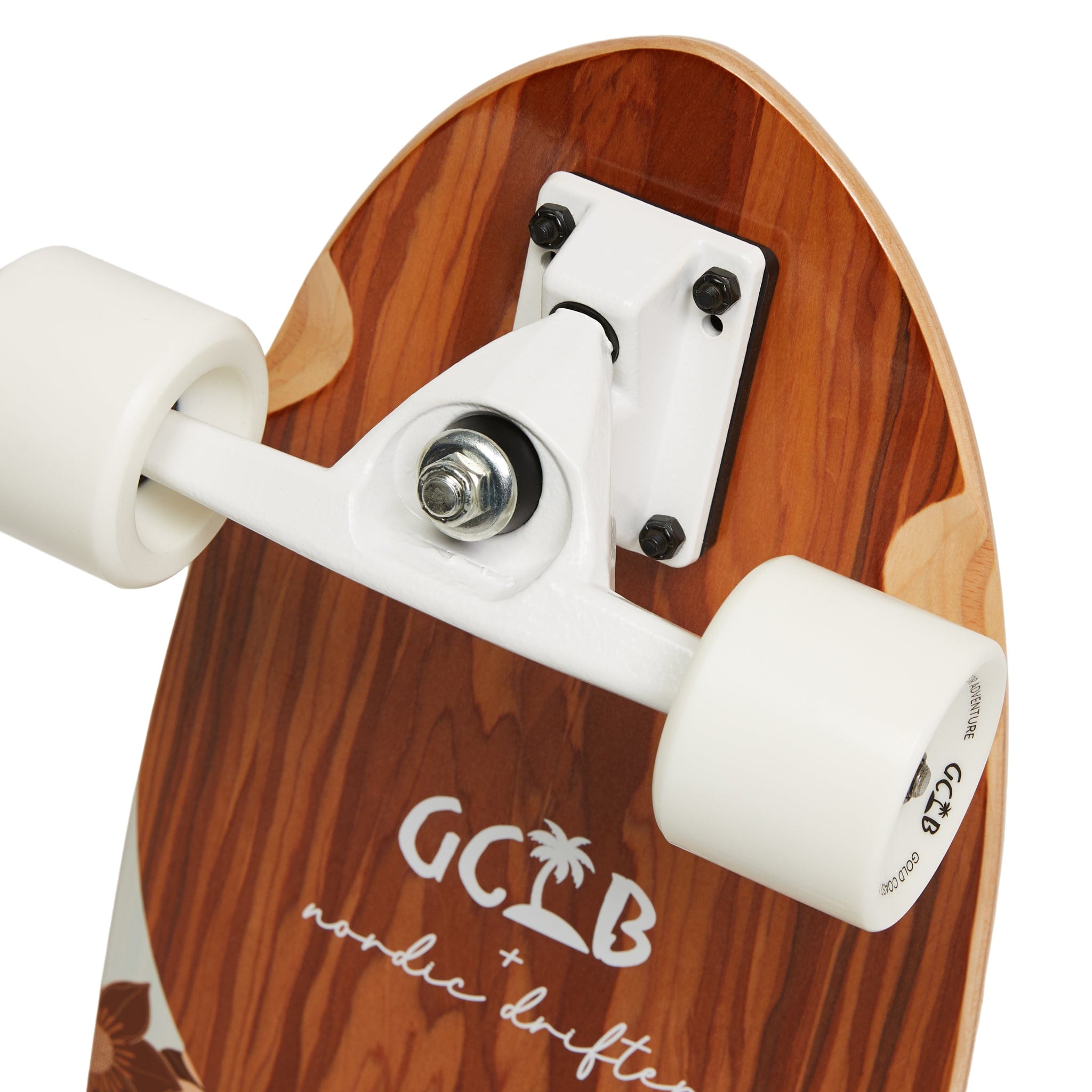
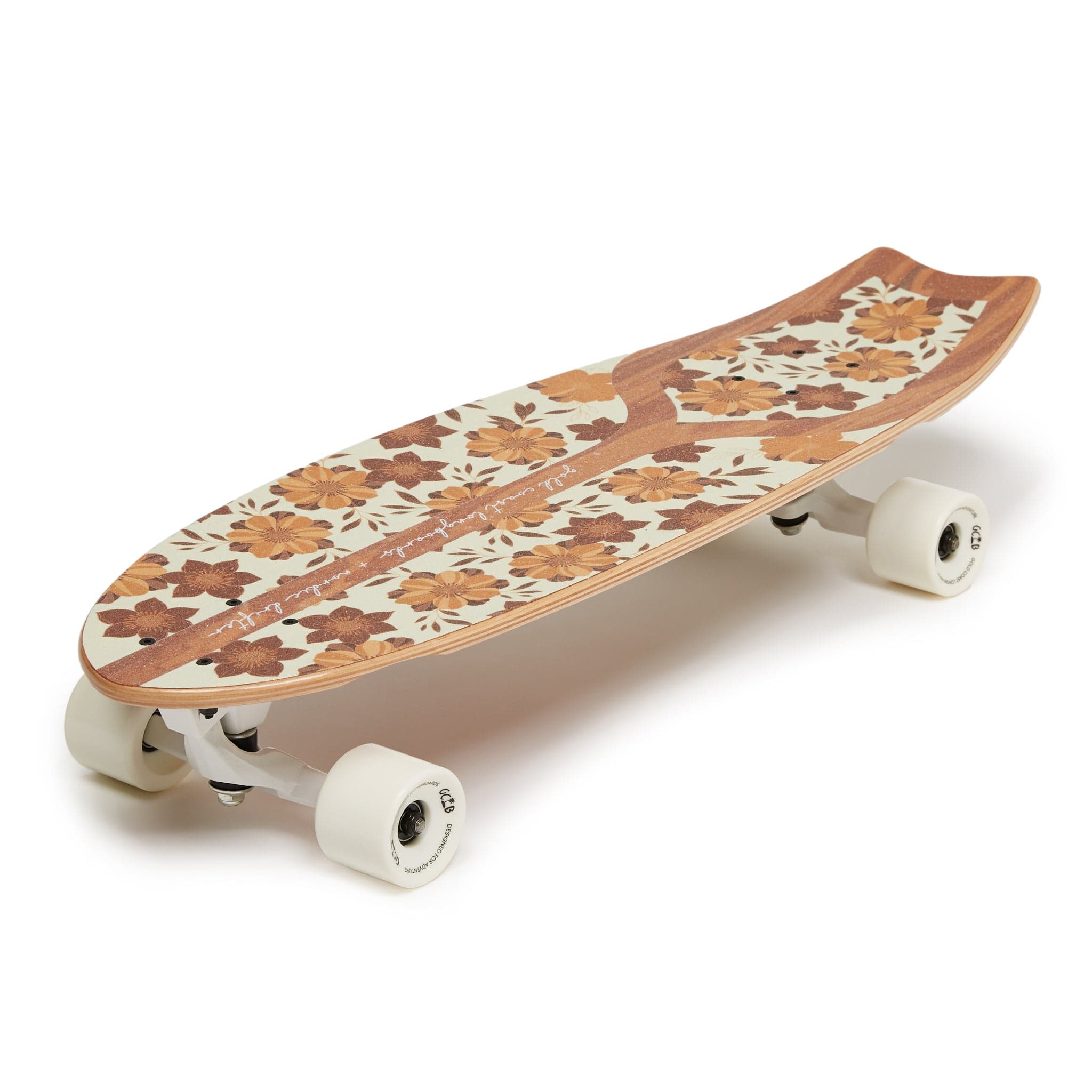
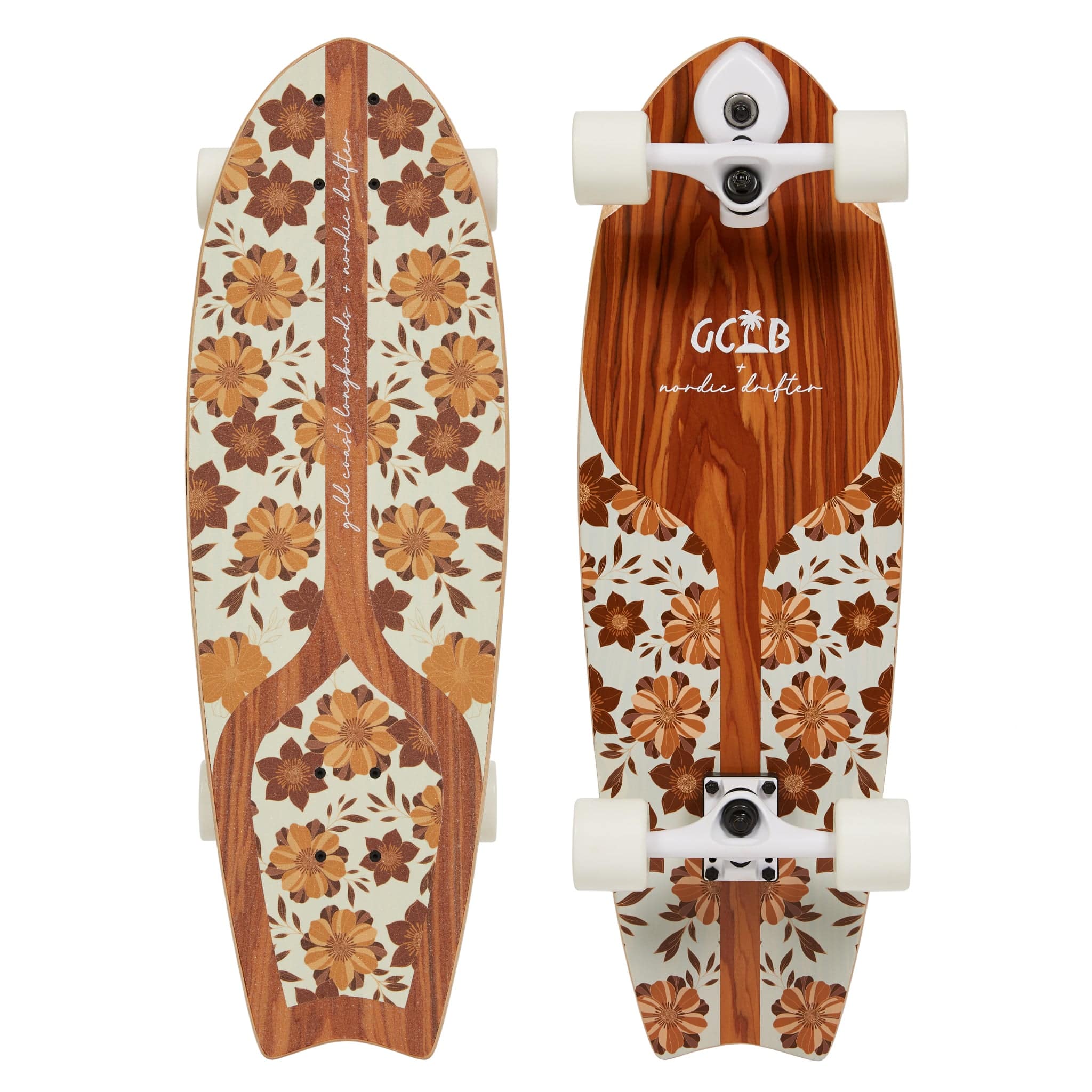
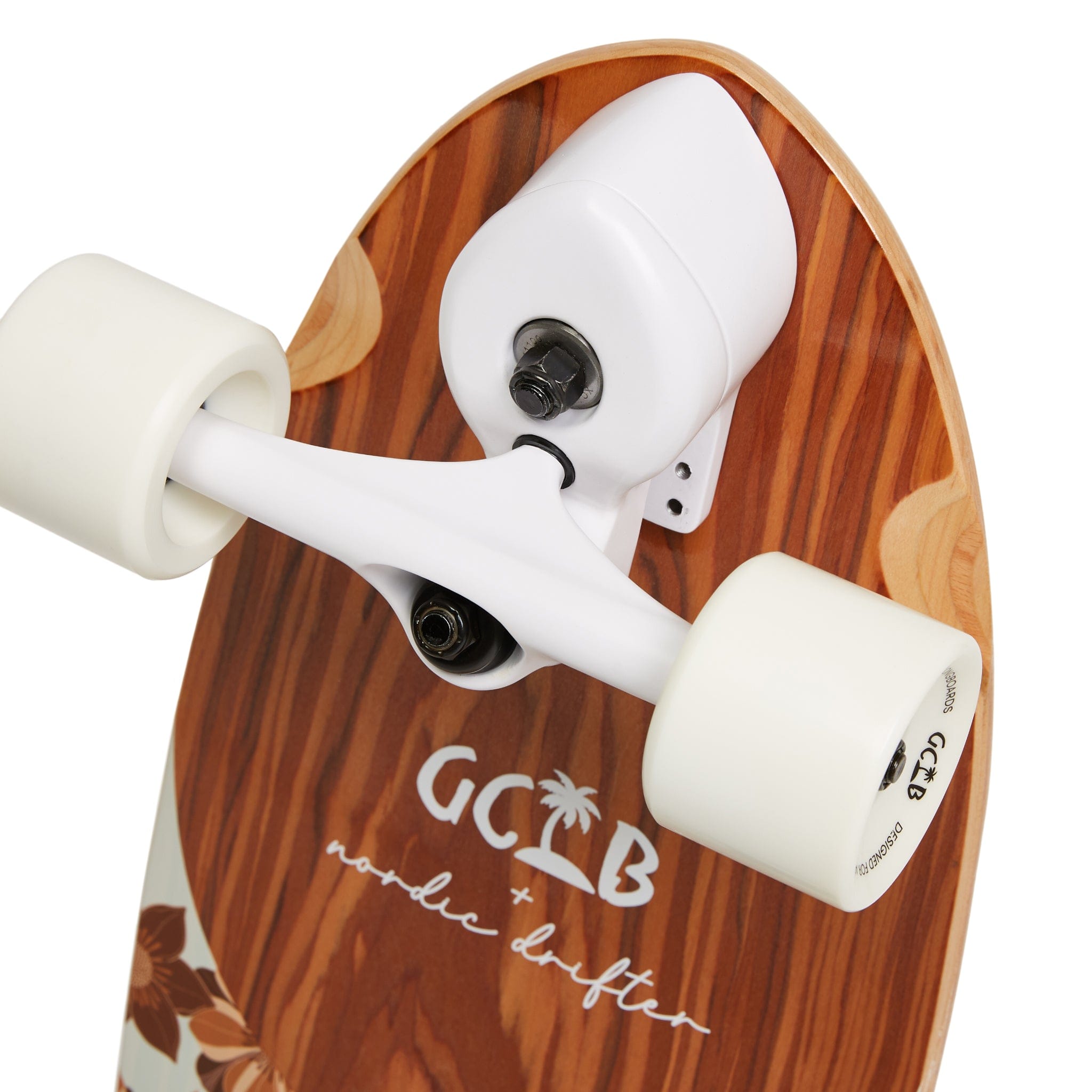
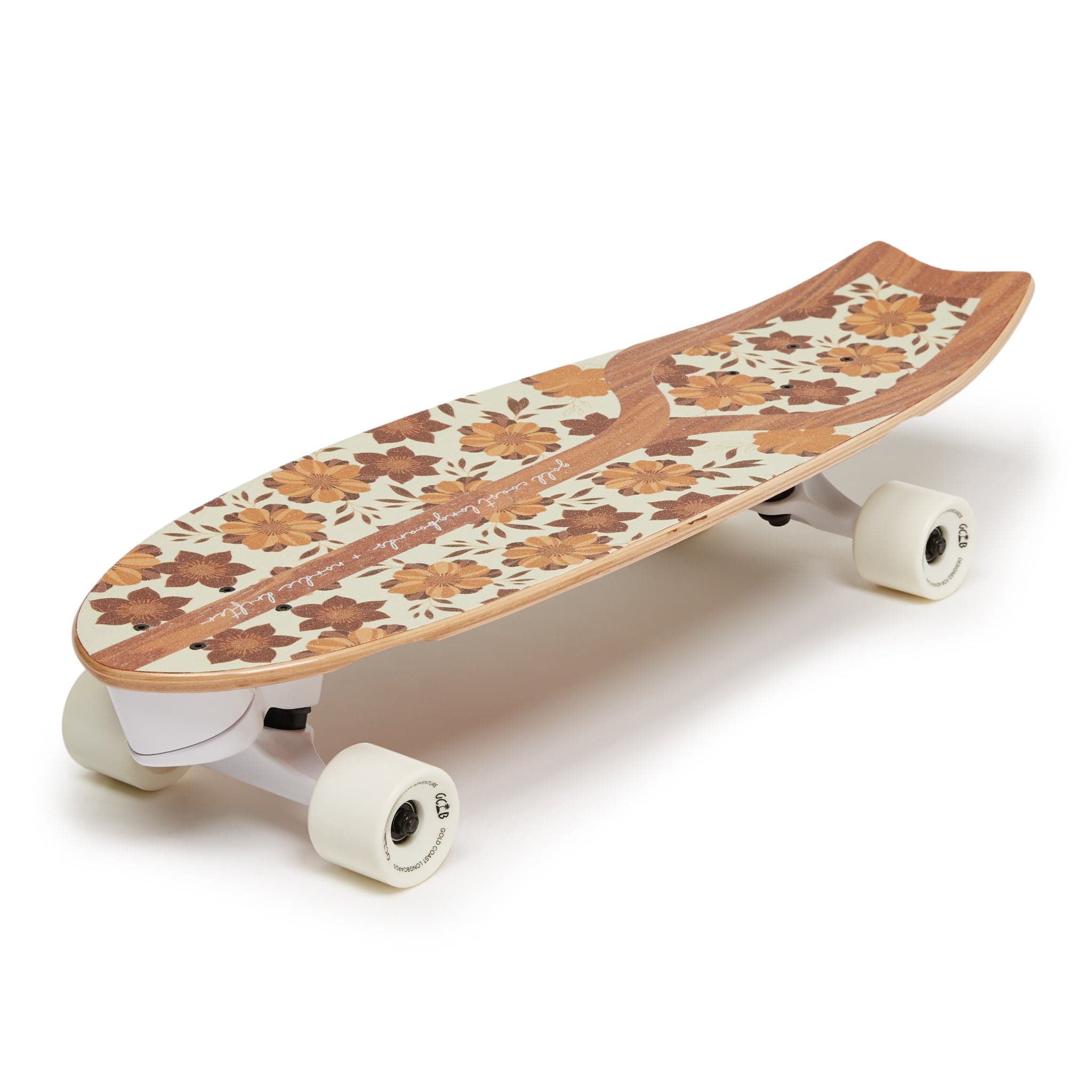
A surf skate is designed around responsive turning and surf-style carving. A cruiser suits everyday rolling around, while a longboard offers a different platform for cruising and carving. The right choice depends on what you want to do on land as well as your experience.
Our surf skate, longboard and cruiser comparison explains those differences. If you have settled on a surf skate, read the surf-truck guide and board-size guide before choosing a setup.
Start with control, then build
Being comfortable in the surf does not make you an experienced skateboarder. Learn basic control and stopping with a qualified instructor, wear a properly fitted helmet suitable for skating and protective gear, and choose a clear, dry practice area appropriate to your ability. Skate Australia's beginner guidance highlights helmet fit and protective equipment.
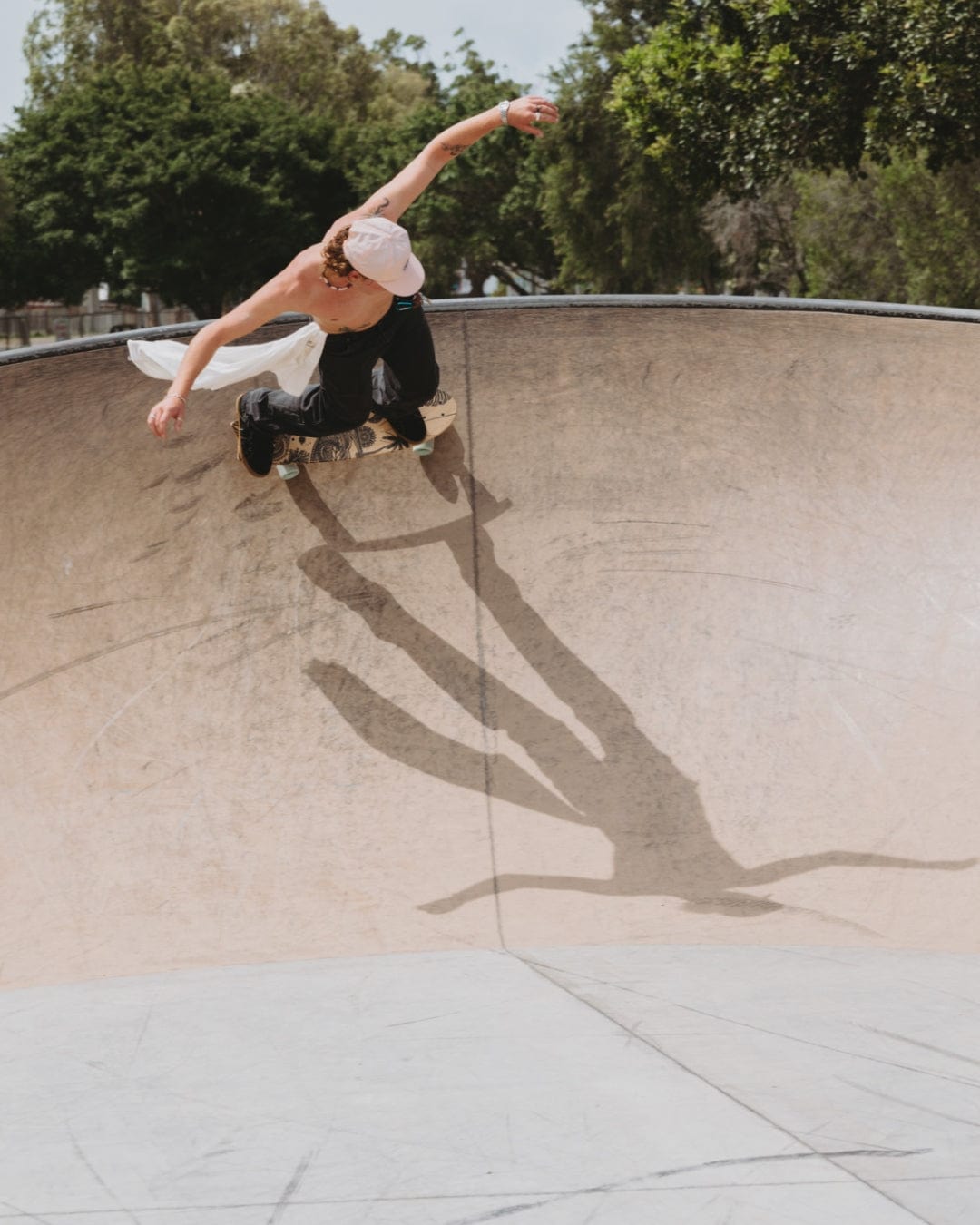
Keep early practice manageable. Progress to ramps or more demanding manoeuvres with instruction, rather than treating commitment as a reason to attempt something beyond your control.
Coaching context: Surfing Australia High Performance Centre. Practice suggestions are general editorial guidance, not a personalised training programme. Reviewed 7 September 2026.