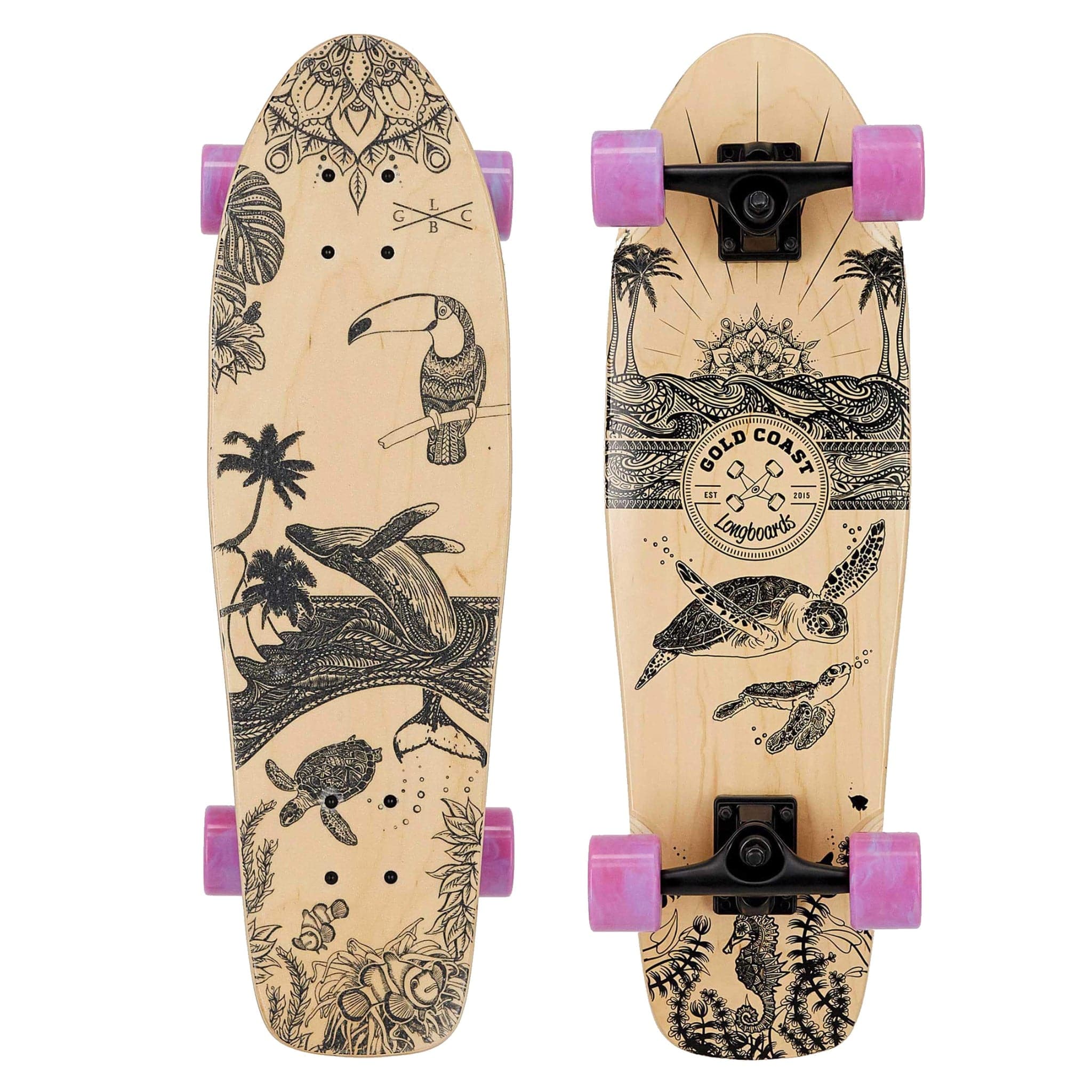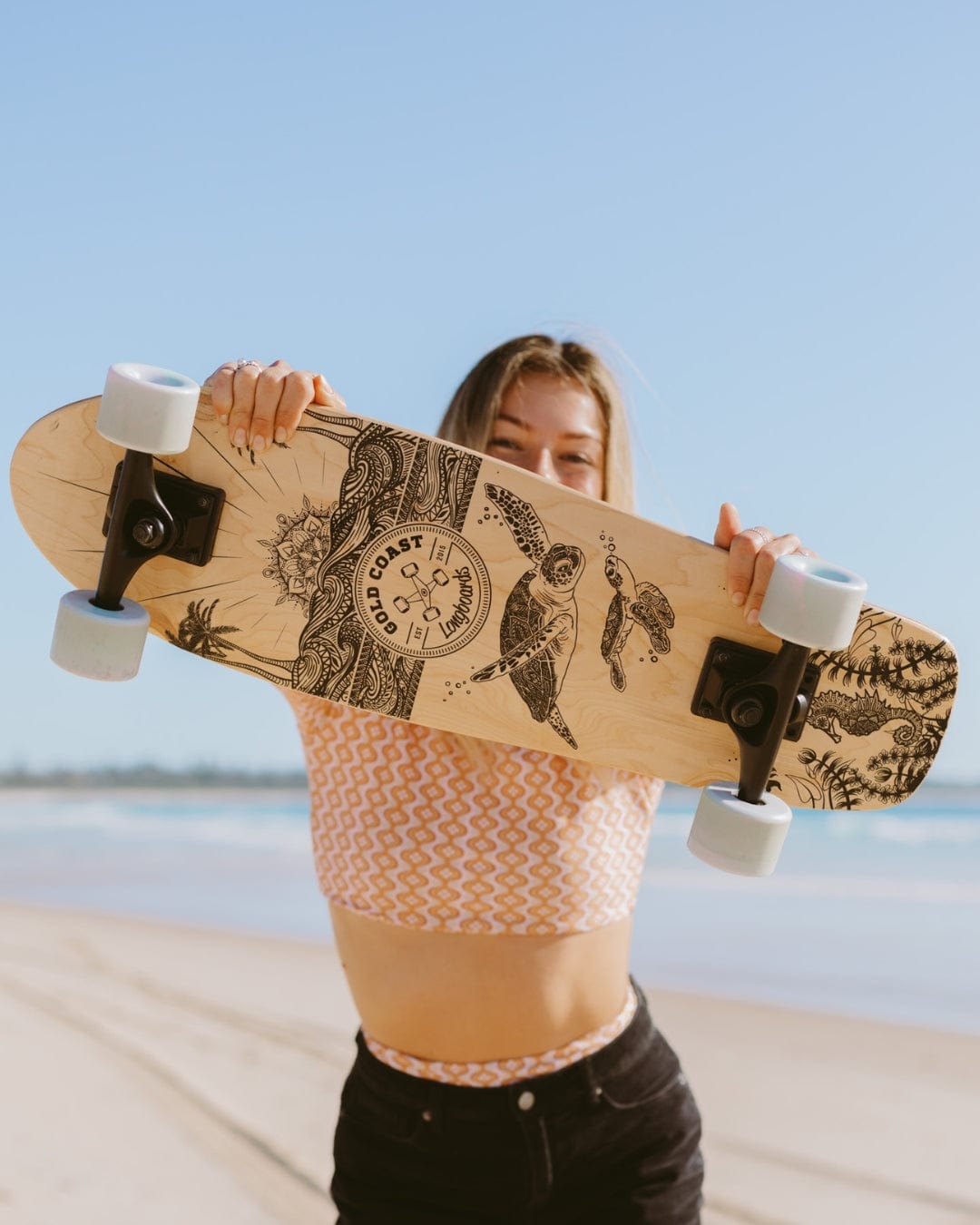







The short answer
Skateboarding can give children a practical way to experience learning: trying something manageable, noticing what happened and adjusting with help. It does not automatically create a growth mindset. The way adults respond to progress, frustration and a child's limits matters just as much as the board.
A small change you can actually see
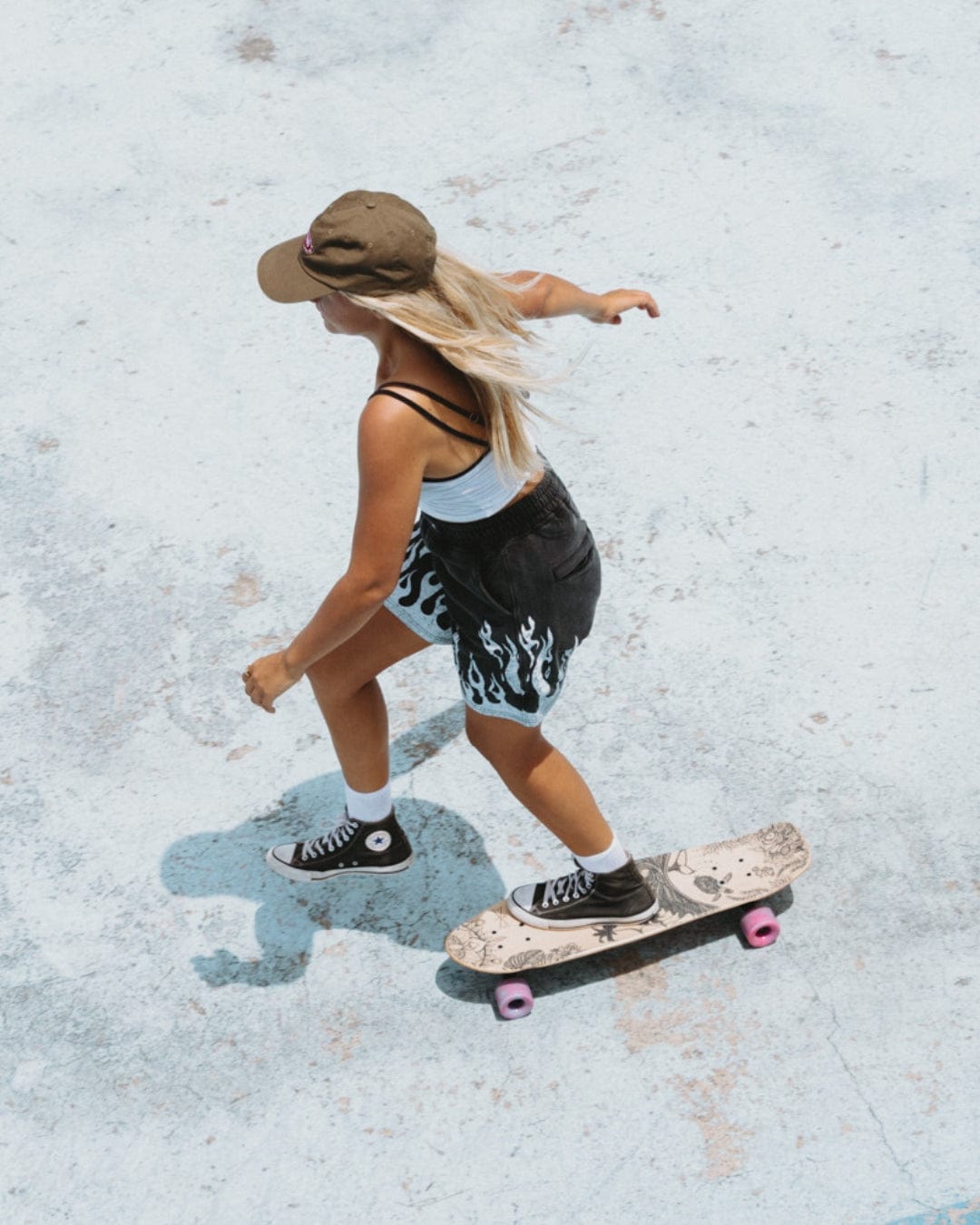
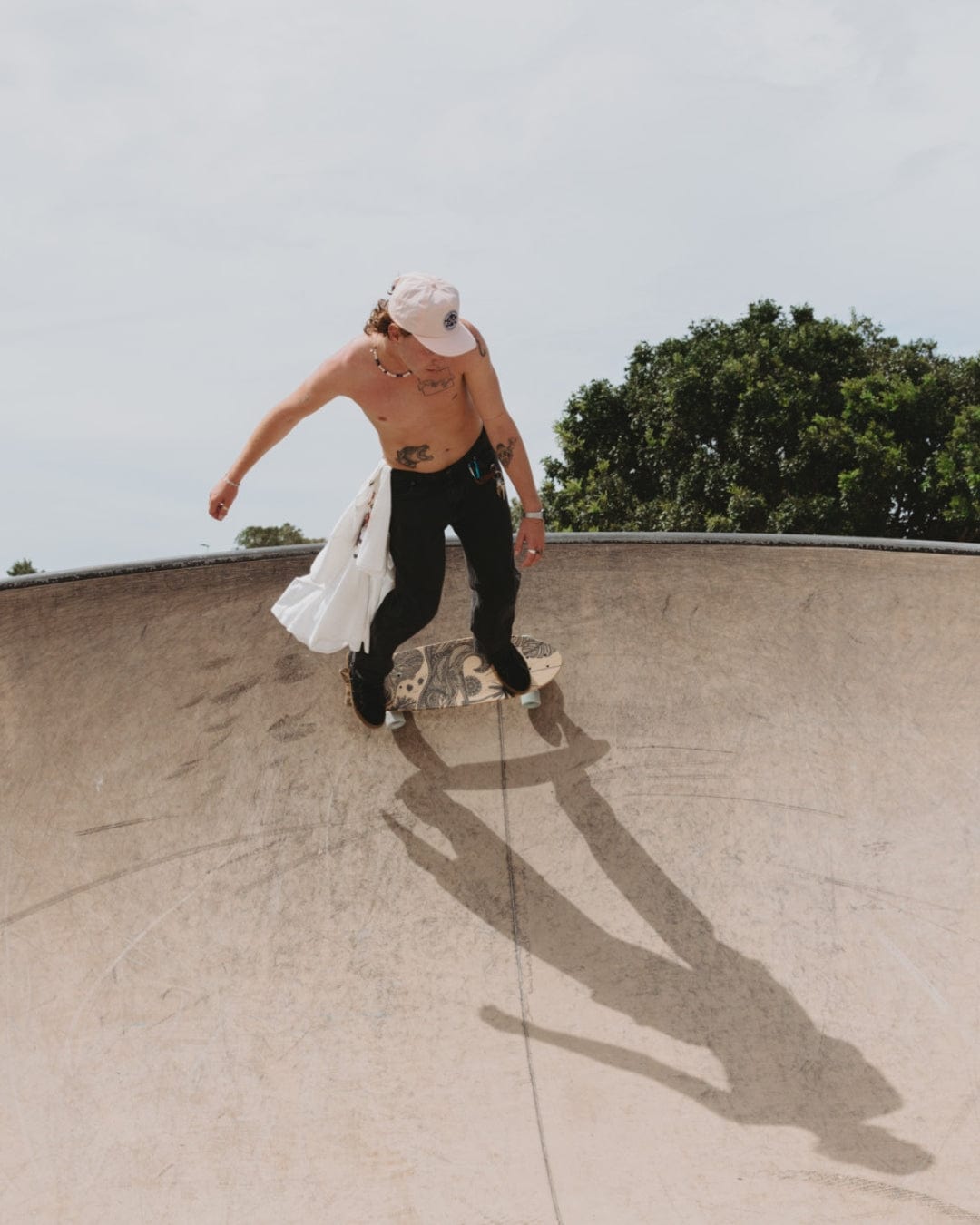
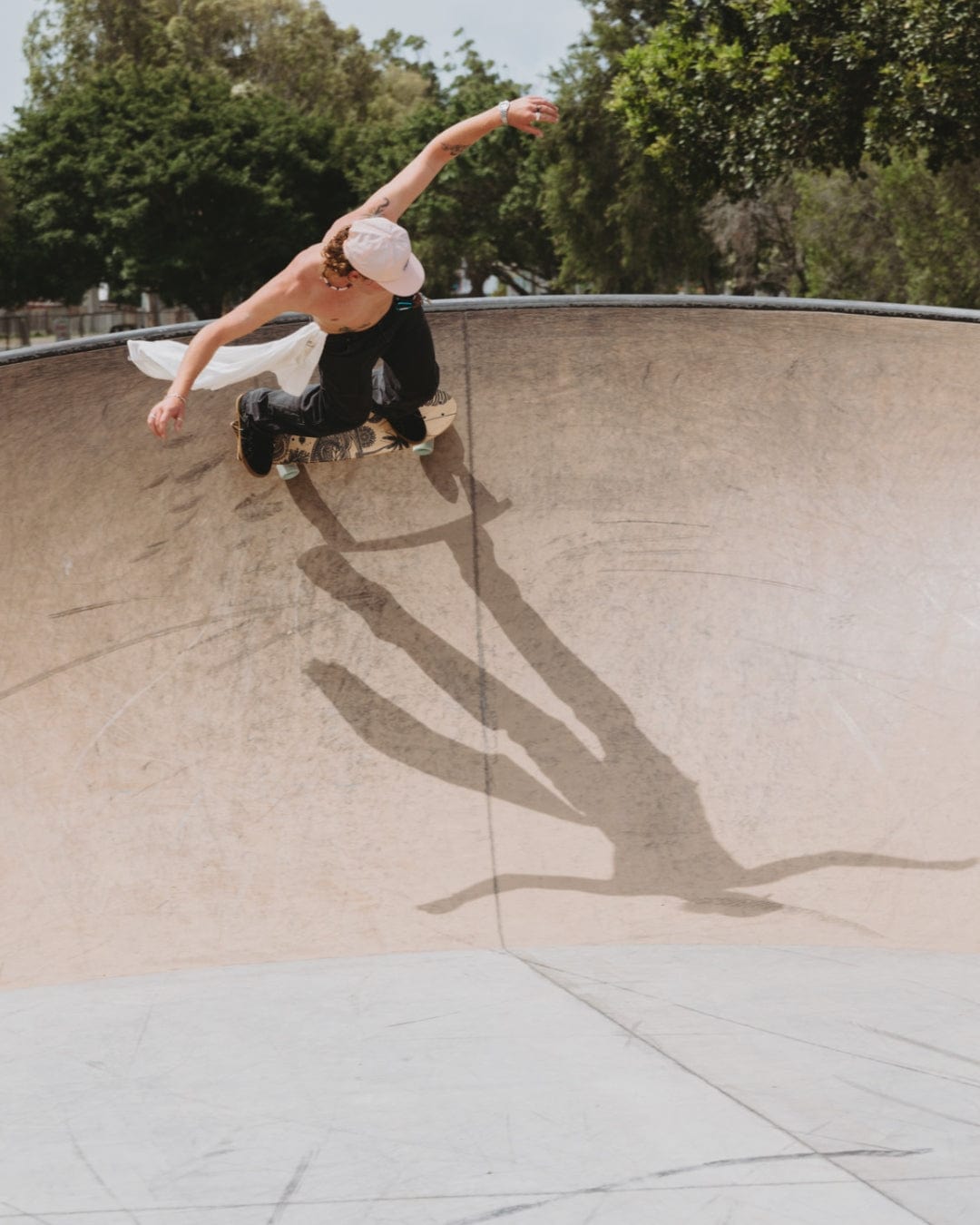
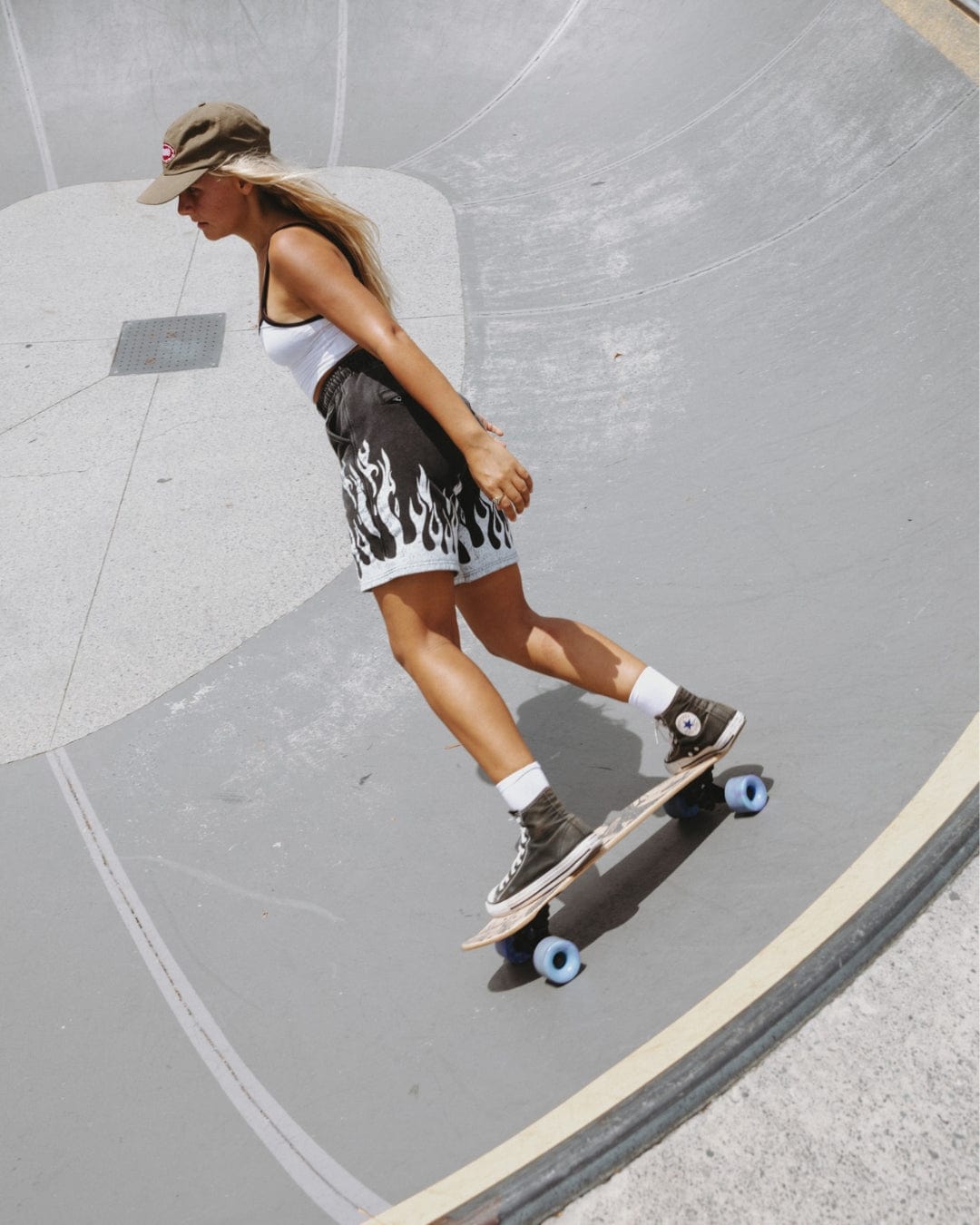
In our family, my niece found some parts of skating easier than others. She progressed on ramps while other children in her class picked up ollies sooner. Seeing those different learning paths gave us something concrete to talk about: being stuck on one skill did not erase the skills she had already learned.
That is a personal observation, rather than proof that skateboarding changes every child's mindset. But it captures something useful about learning a physical skill. Progress can be visible and specific: a more controlled stop, a steadier stance or asking for help with something that felt difficult.
What does “growth mindset” mean?
A growth mindset is the belief that abilities can develop through learning. It involves useful strategies, feedback and support, alongside effort. It is not a promise that everyone will reach the same level, or that trying harder will solve every problem. Stanford's guide to growth mindset explains this distinction, including why effort alone is not the whole story.
For a child learning to skate, the practical question becomes: “What could help me with the next step?” That leaves room for a demonstration, an easier task, different feedback or a break.
Three ways to support the learning process
01 · Notice
Make progress specific
Try: “You stopped where you planned that time.” Describe something you actually saw. A small improvement can be worth recognising even when the bigger skill is still a work in progress.
02 · Adjust
Change the approach
Try: “Would a demonstration help?” Repeating a frustrating attempt is not the only option. An instructor can break a skill into a more manageable step and give feedback a parent might miss.
03 · Reflect
Let the child describe it
Try: “What felt different today?” Give them room to notice their own progress. Their answer might concern confidence, control or simply enjoying a session, rather than learning a trick.
Encouragement without extra pressure
Stanford psychologist Carol Dweck's work draws attention to how praise can shape a child's response to difficulty. Her discussion of praise and motivation supports recognising the learning process rather than relying on labels such as “a natural”. Those findings are about learning and motivation; they do not establish a guaranteed benefit from skateboarding itself.
On a skate day, that might mean enjoying a breakthrough without turning the next one into an expectation. Avoid comparing a child's pace with someone else's. If they are tired, frightened or no longer enjoying the session, stopping is a reasonable choice. Confidence should include being able to say “not today”.
Make the first goal a good experience
Choose an appropriate beginner setting and instruction for your child's age and ability. Check the board manufacturer's suitability guidance, supervise children and use a properly fitted helmet suitable for skating, protective pads and enclosed shoes. The ACCC's helmet guide stresses choosing the right helmet for the activity and checking its fit.
Let a qualified instructor guide progression. Falling is a possibility to prepare for, not an achievement to reward, and a bigger ramp is not a better lesson. A calm session learning the basics can offer plenty to feel good about.
Family observations by Leigh Warner, adapted from the original article. Learning sources: Stanford Teaching Commons and Stanford Bing Nursery School. Reviewed 7 September 2026.