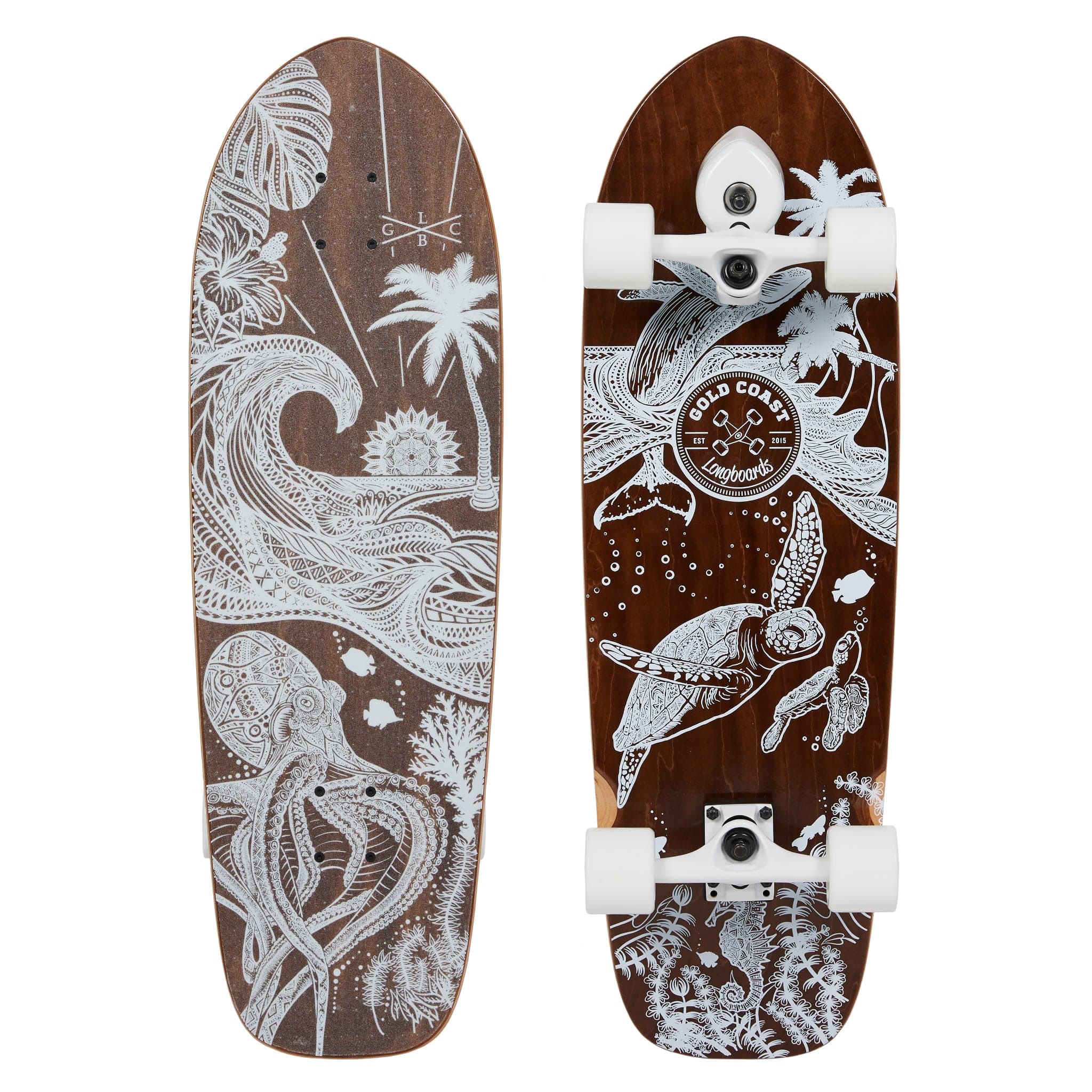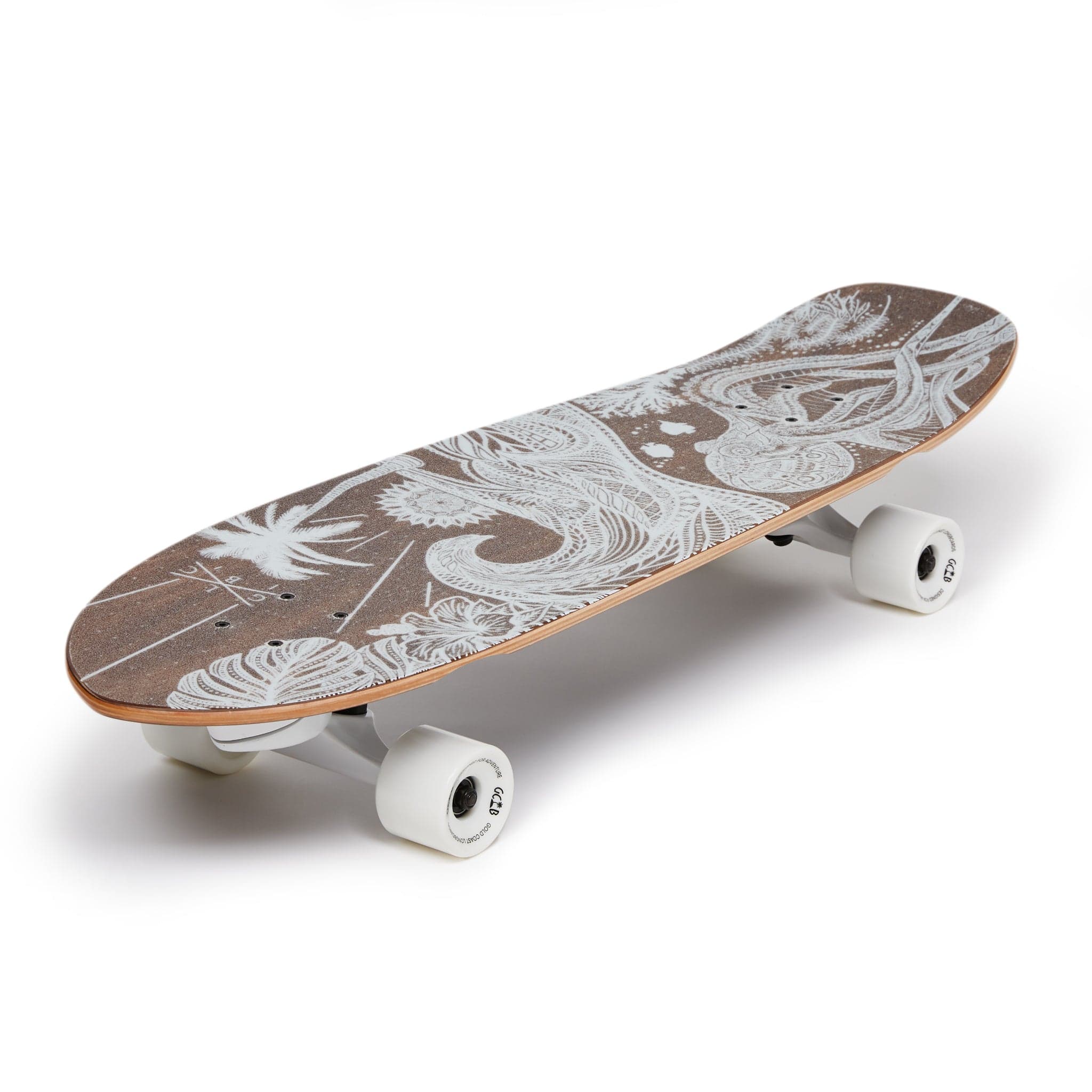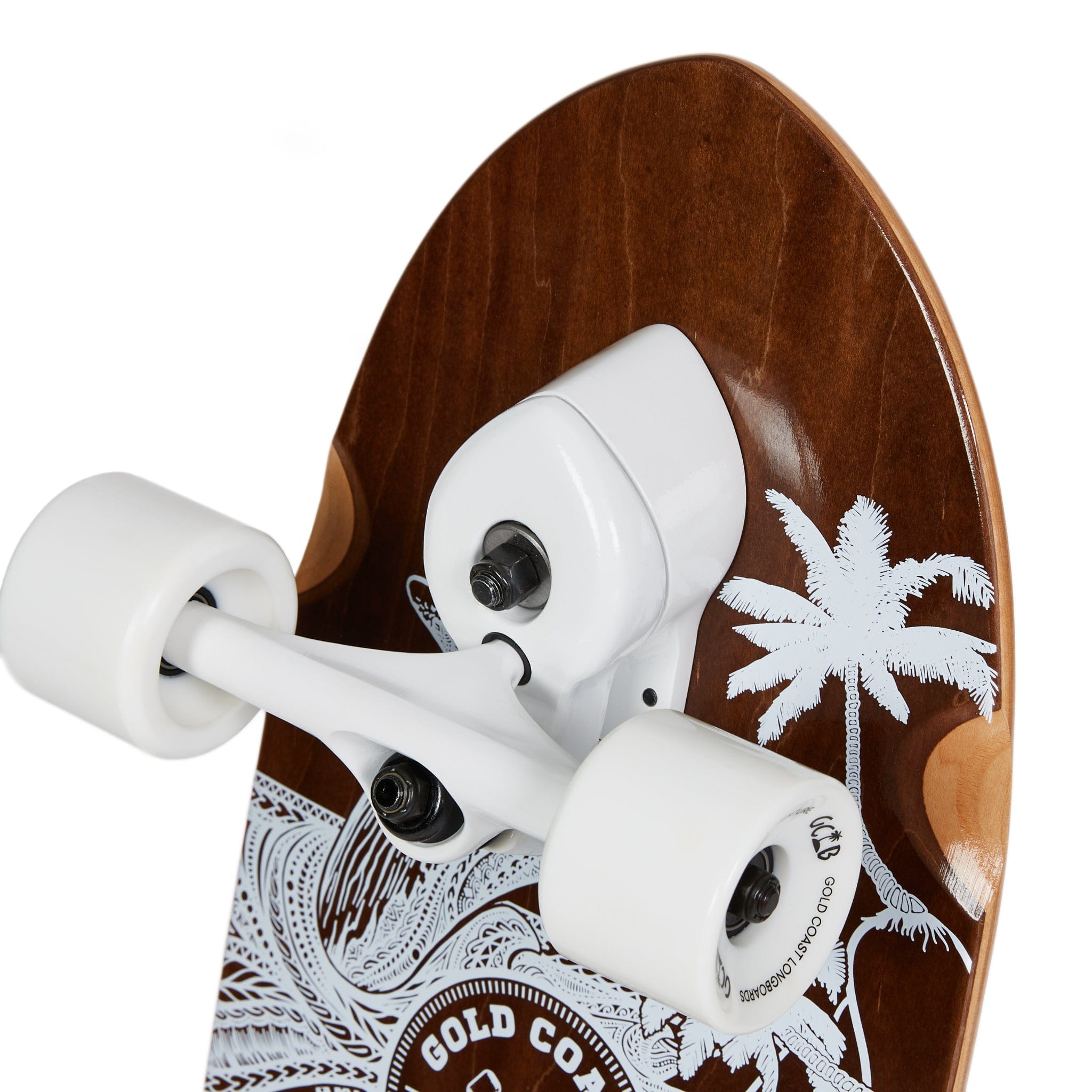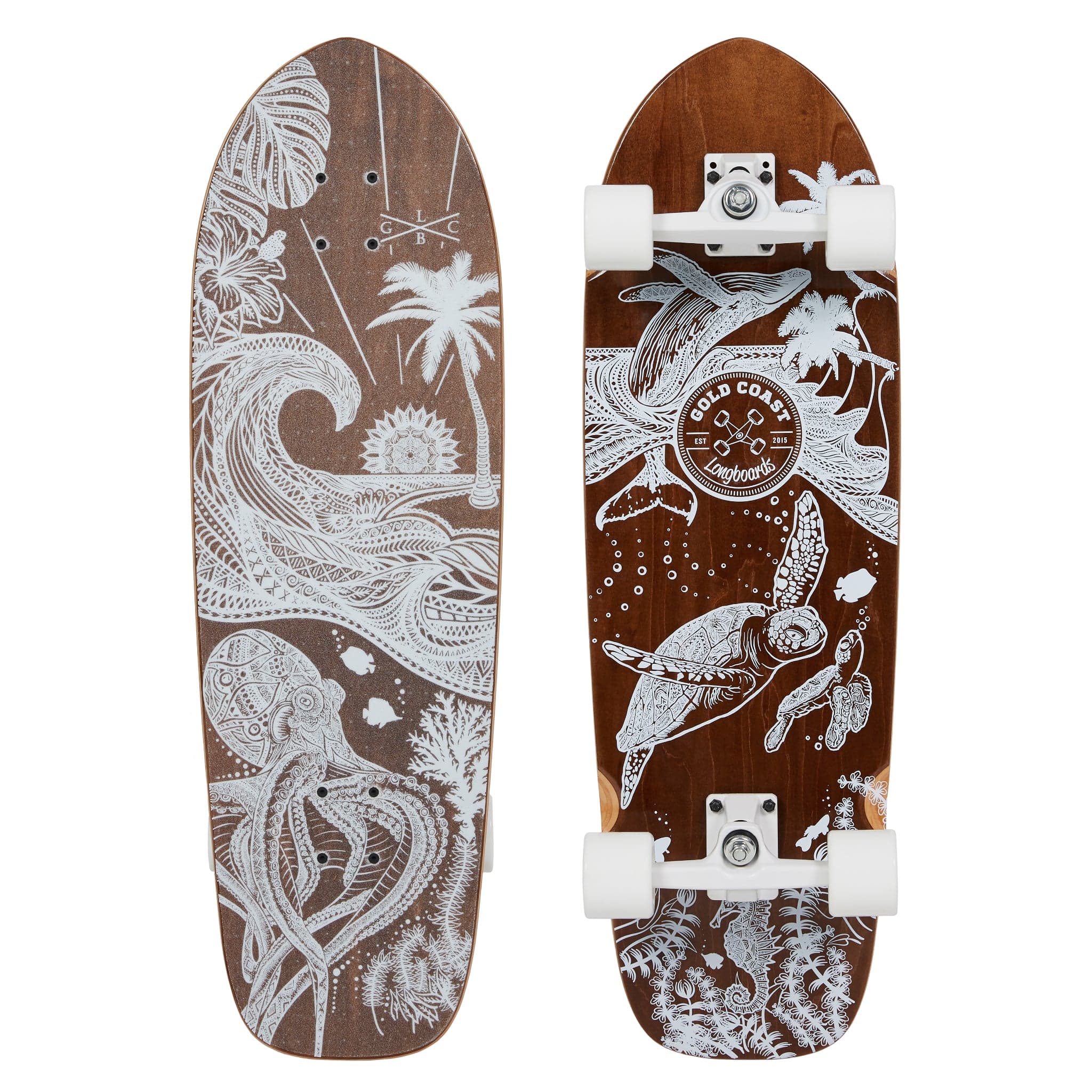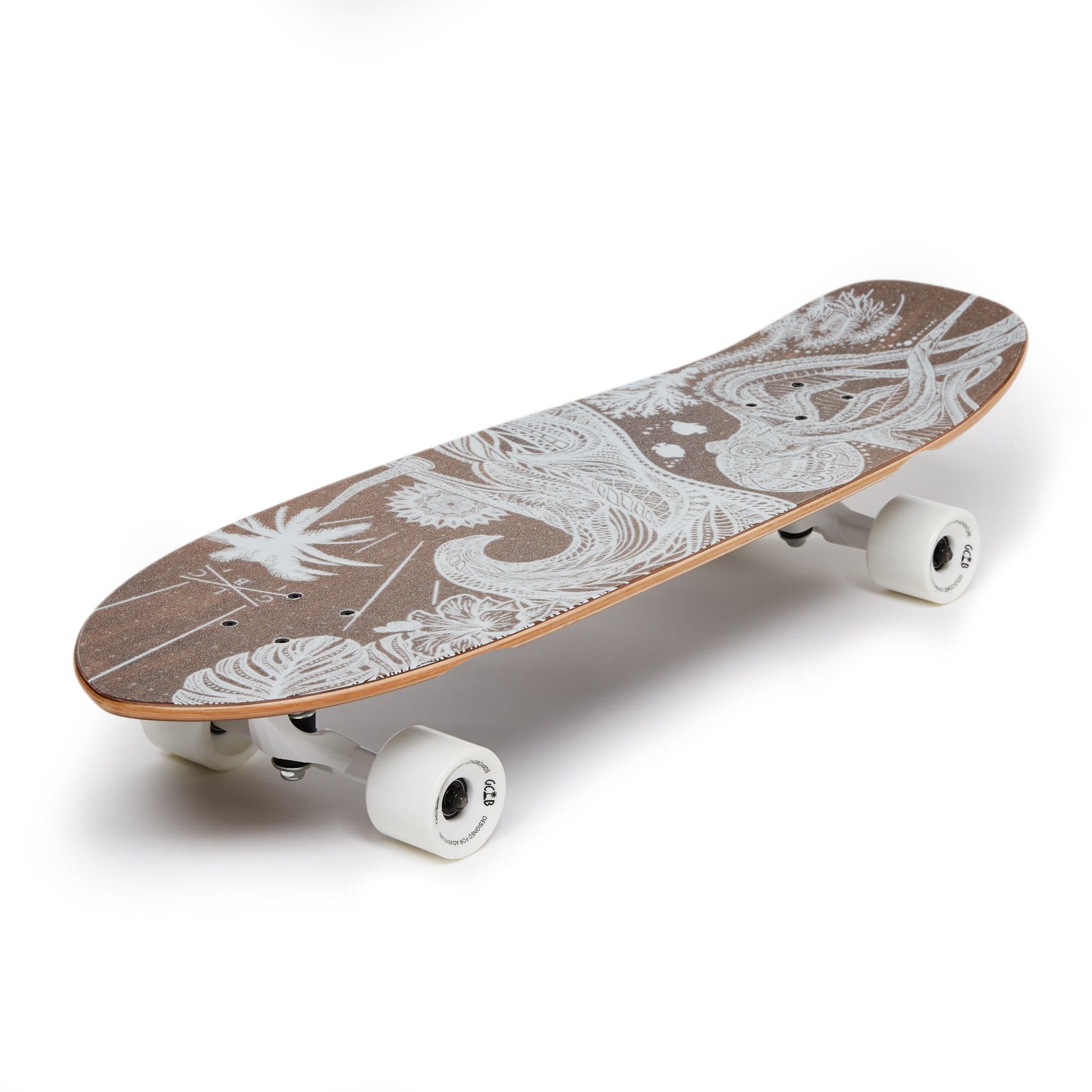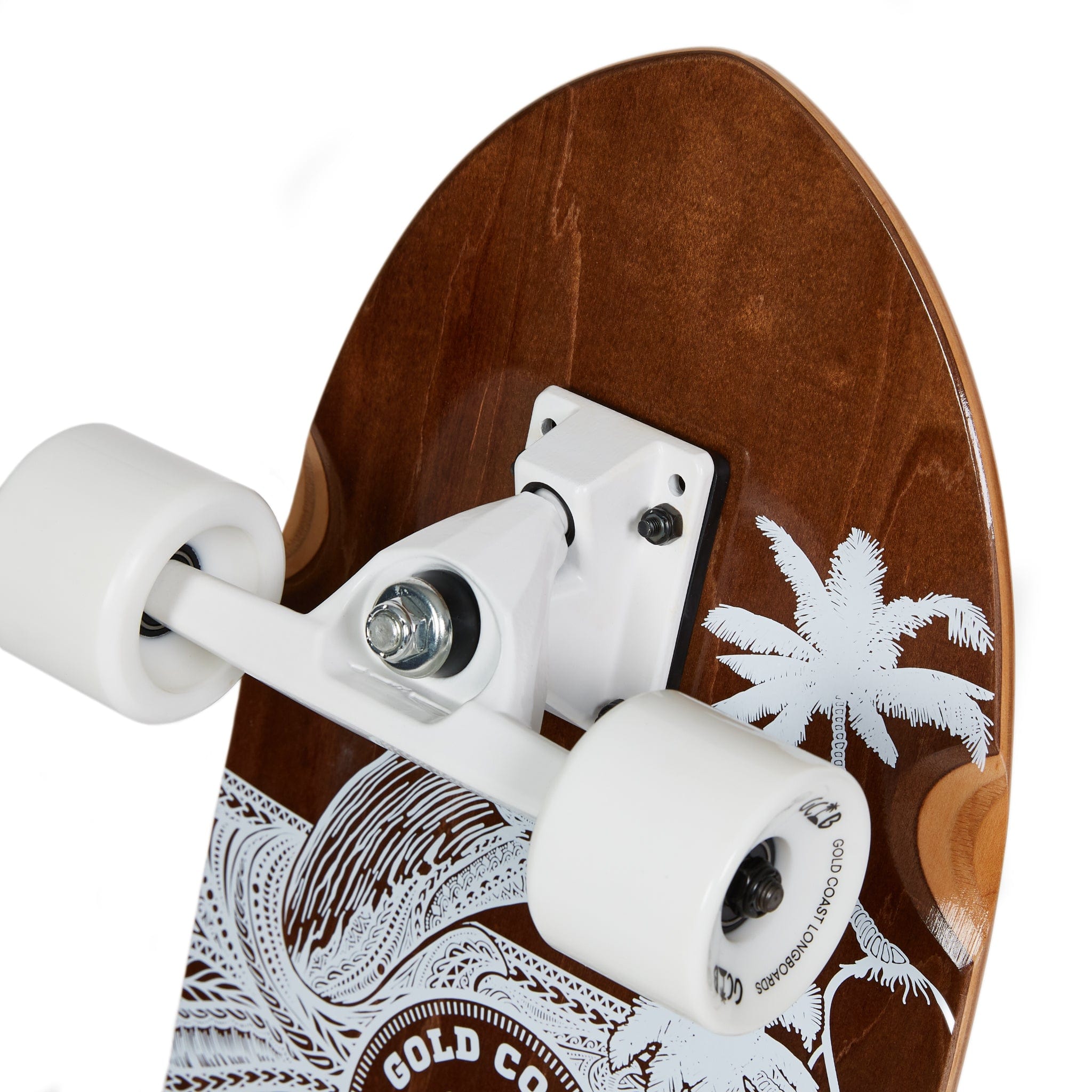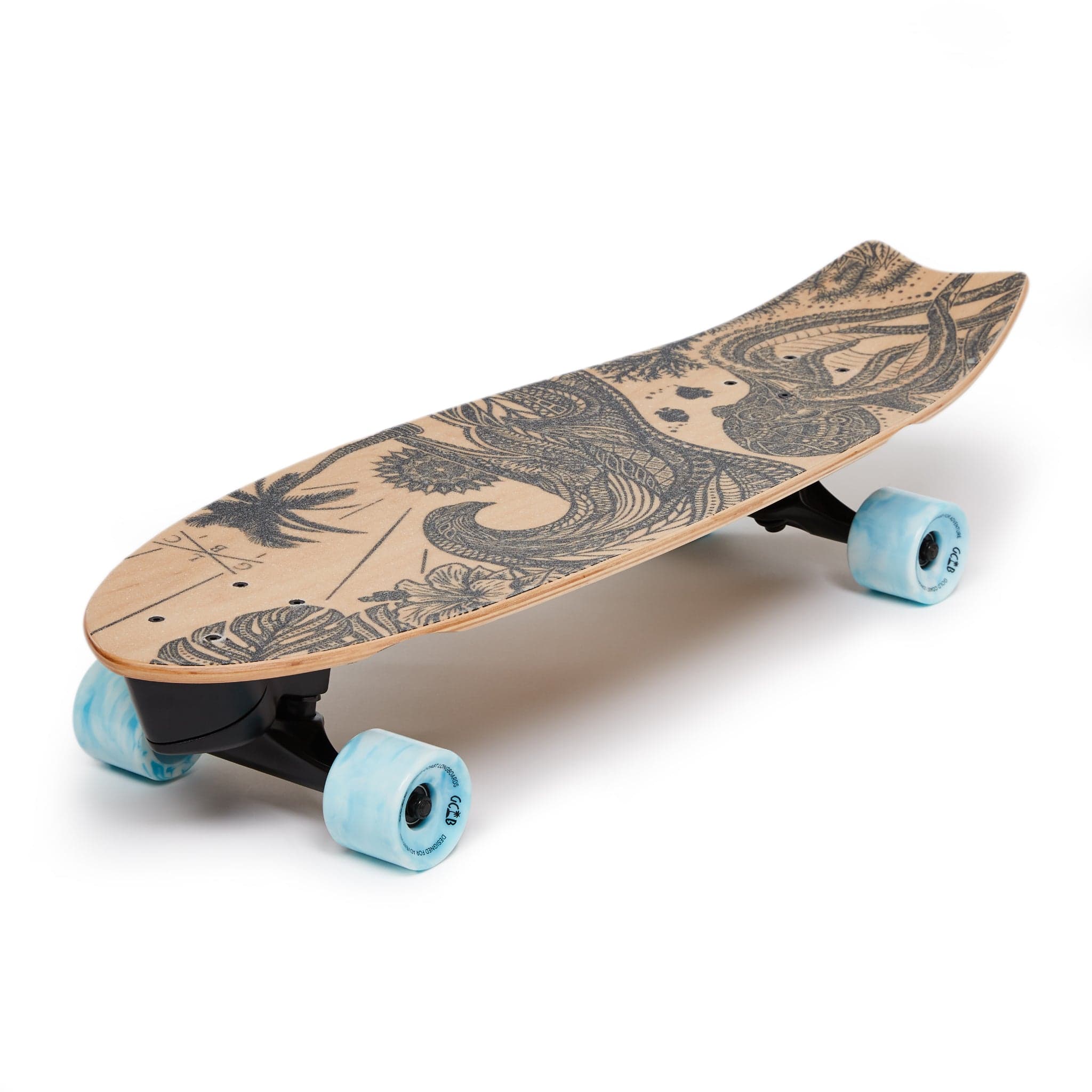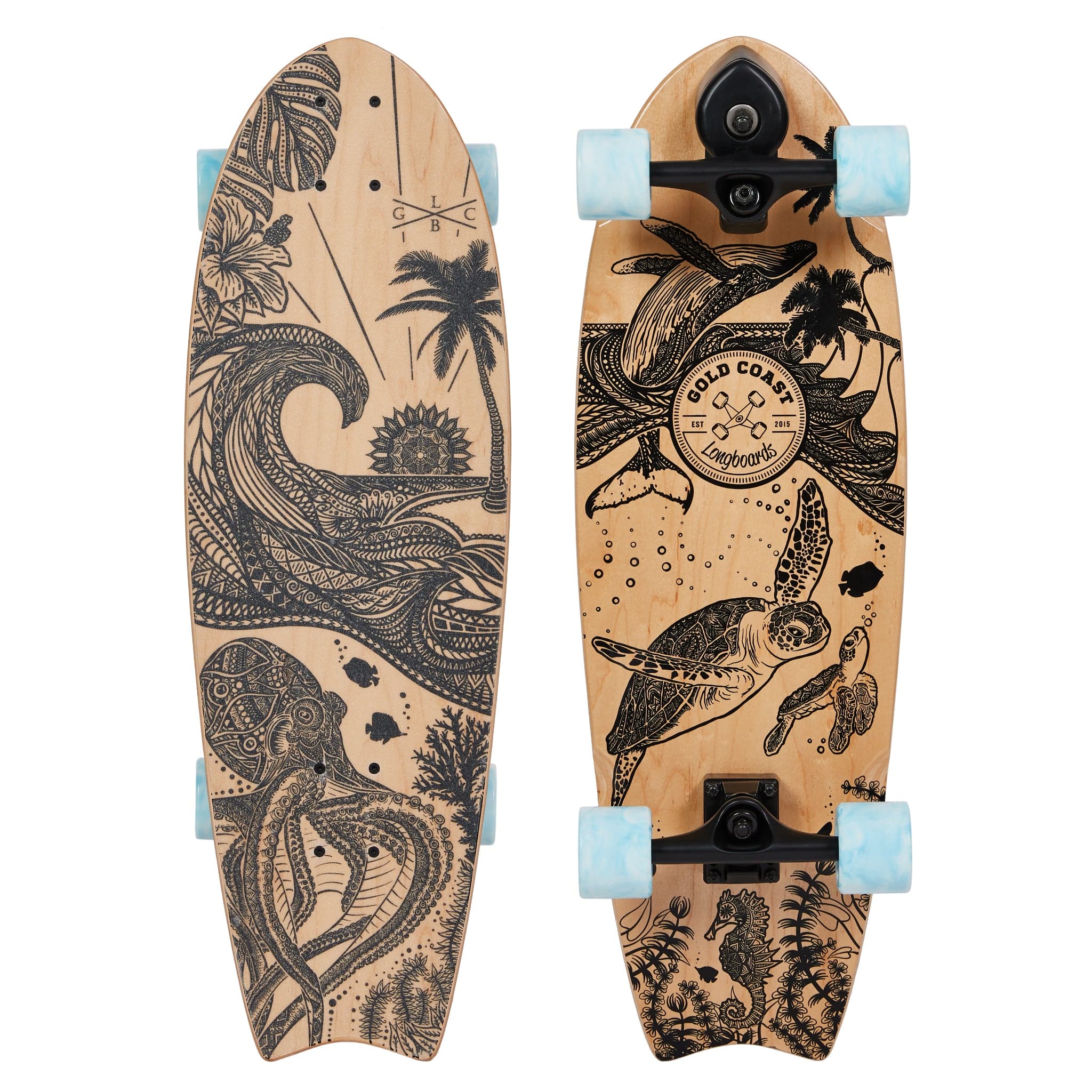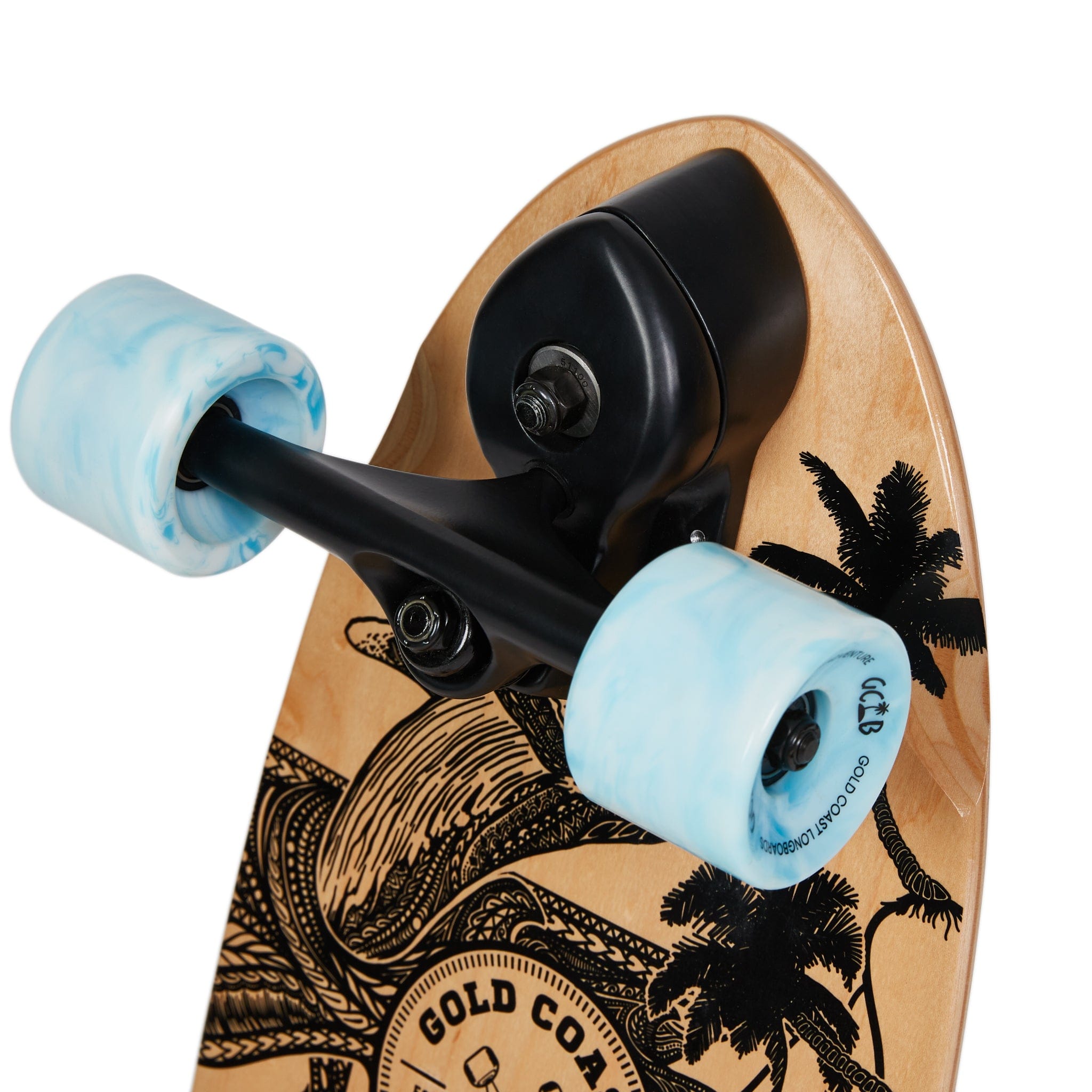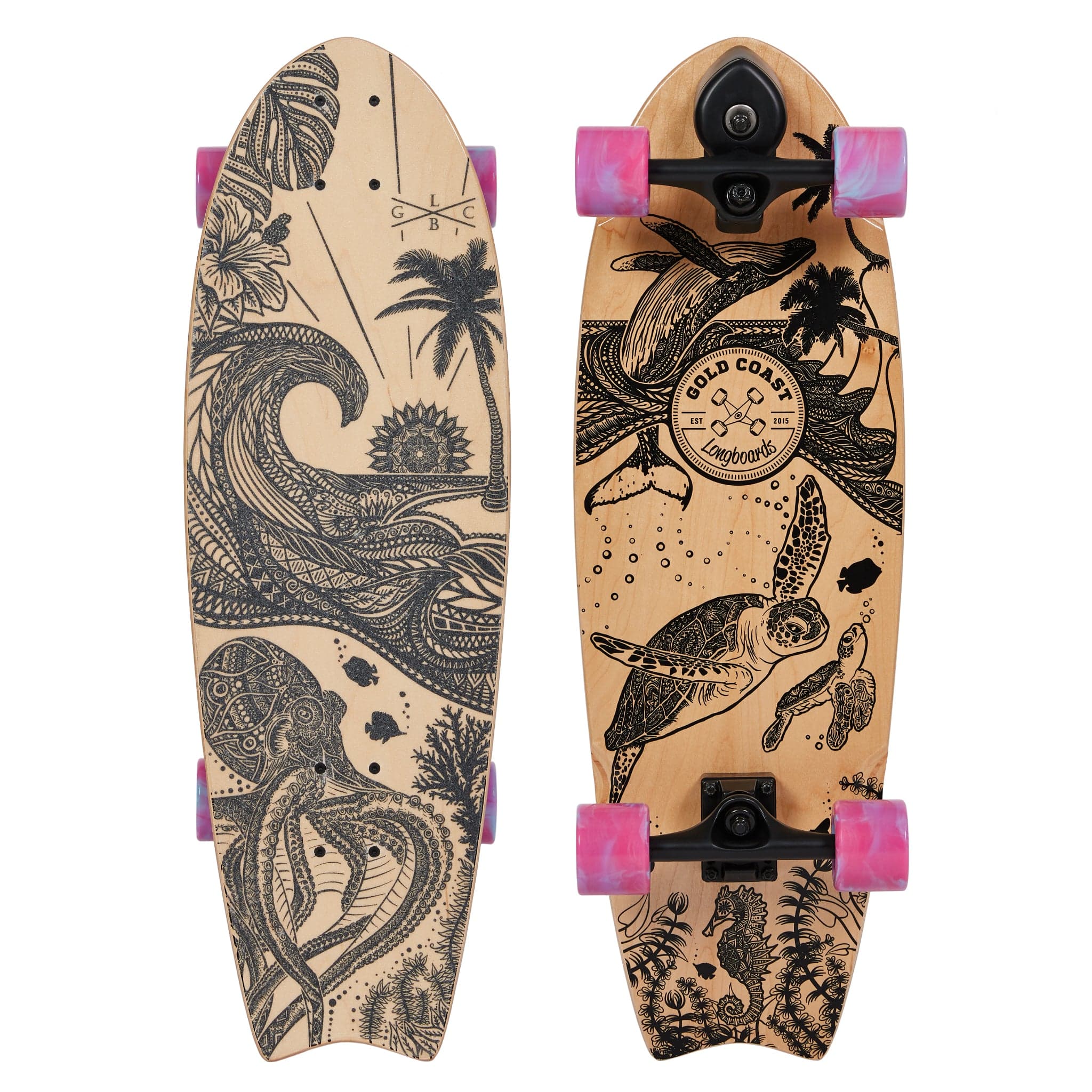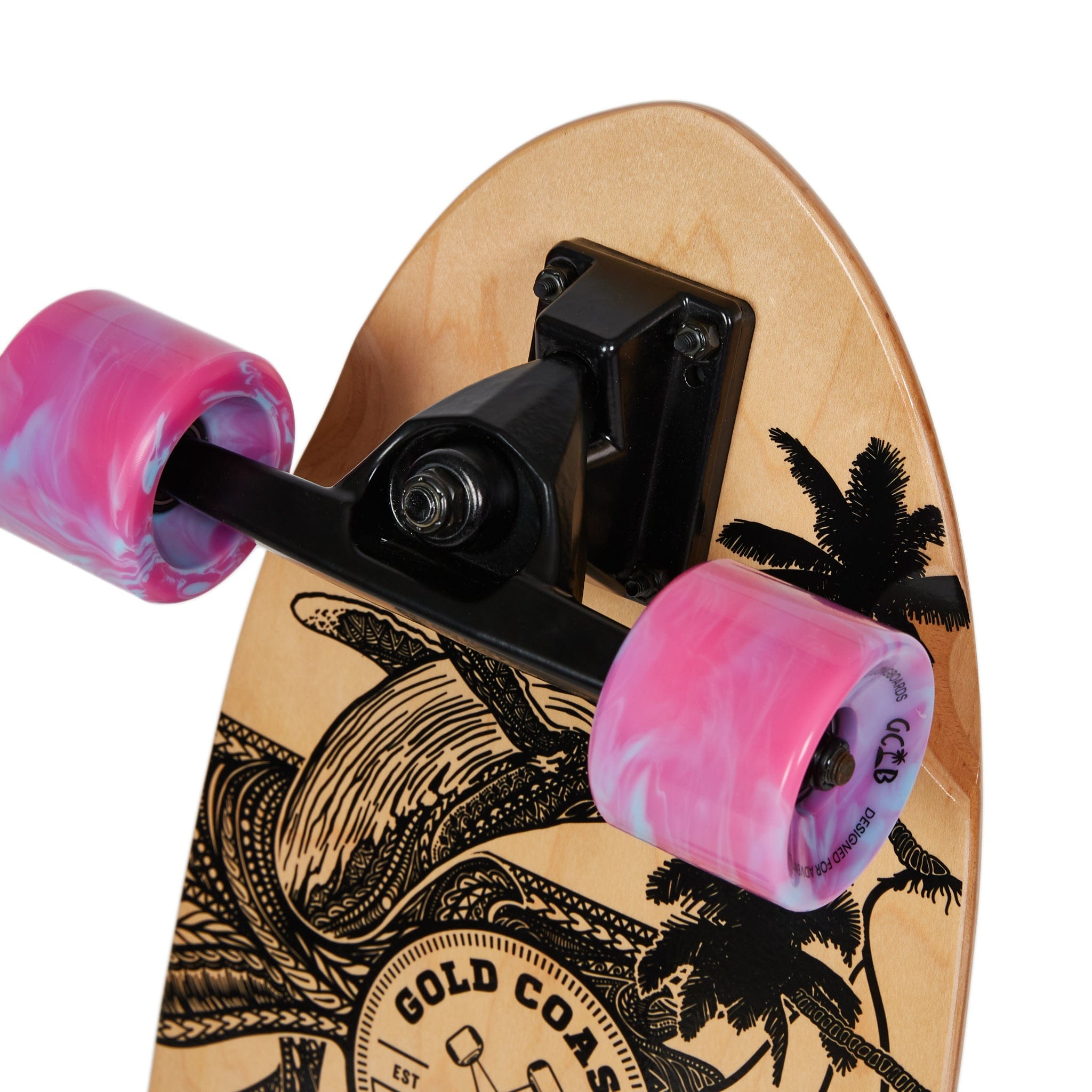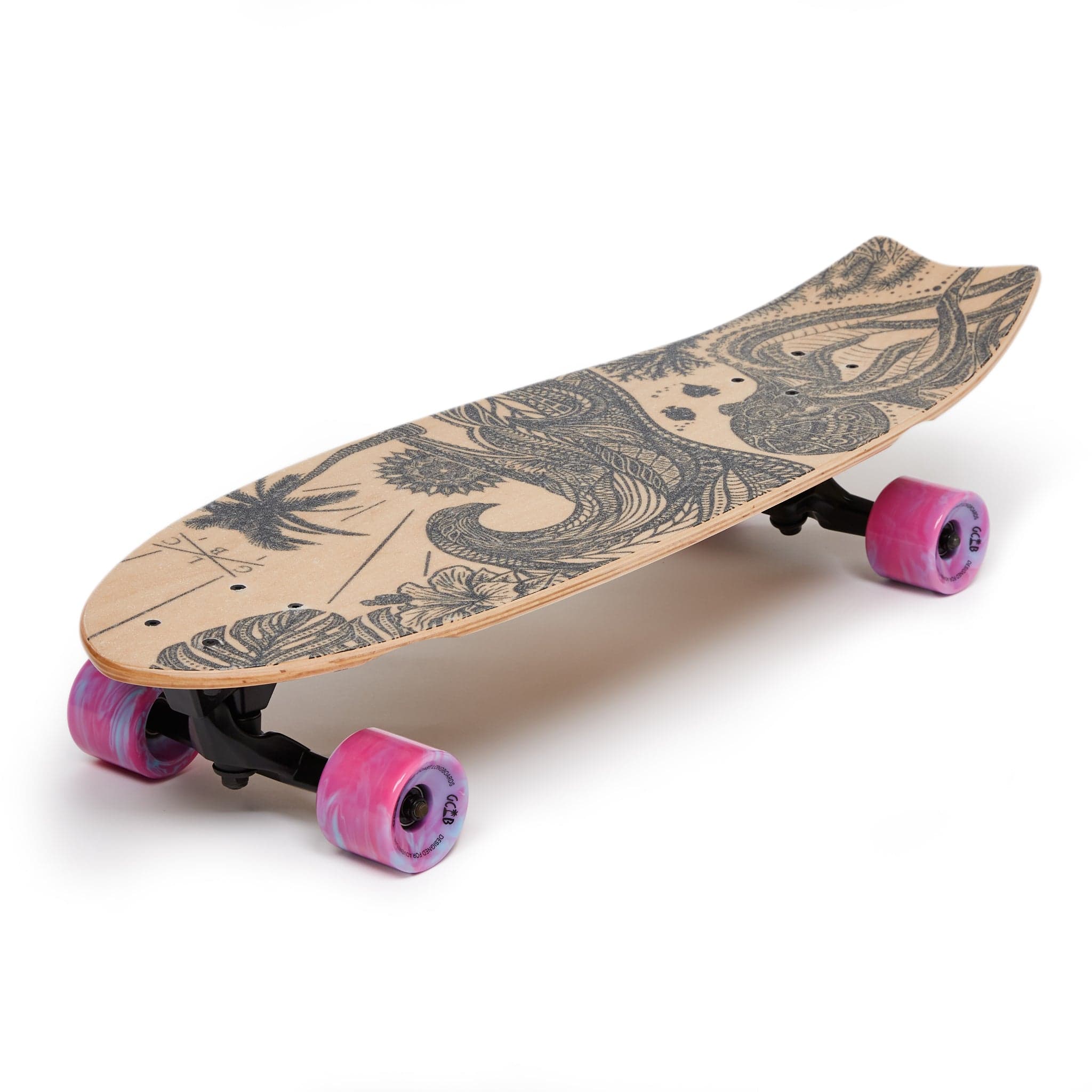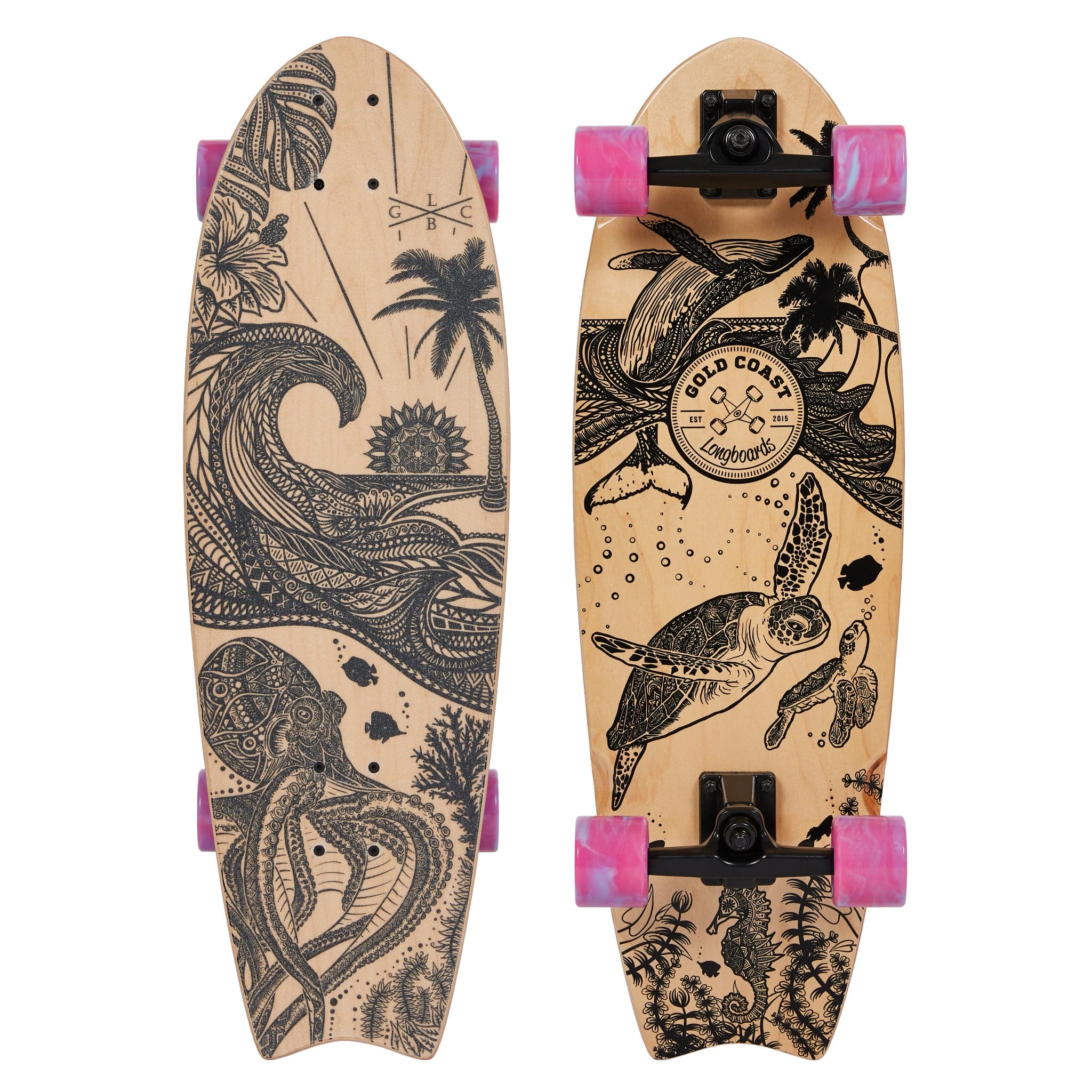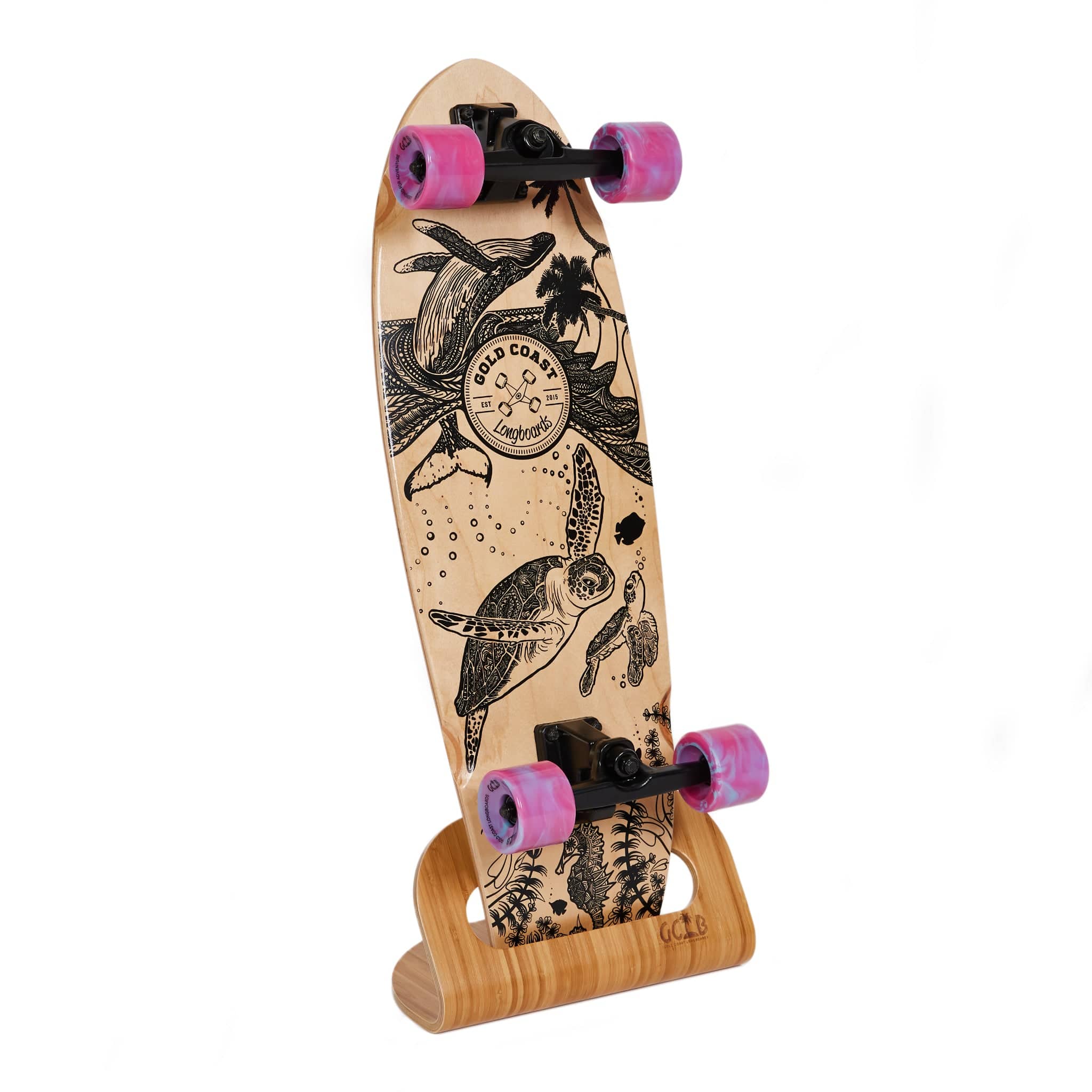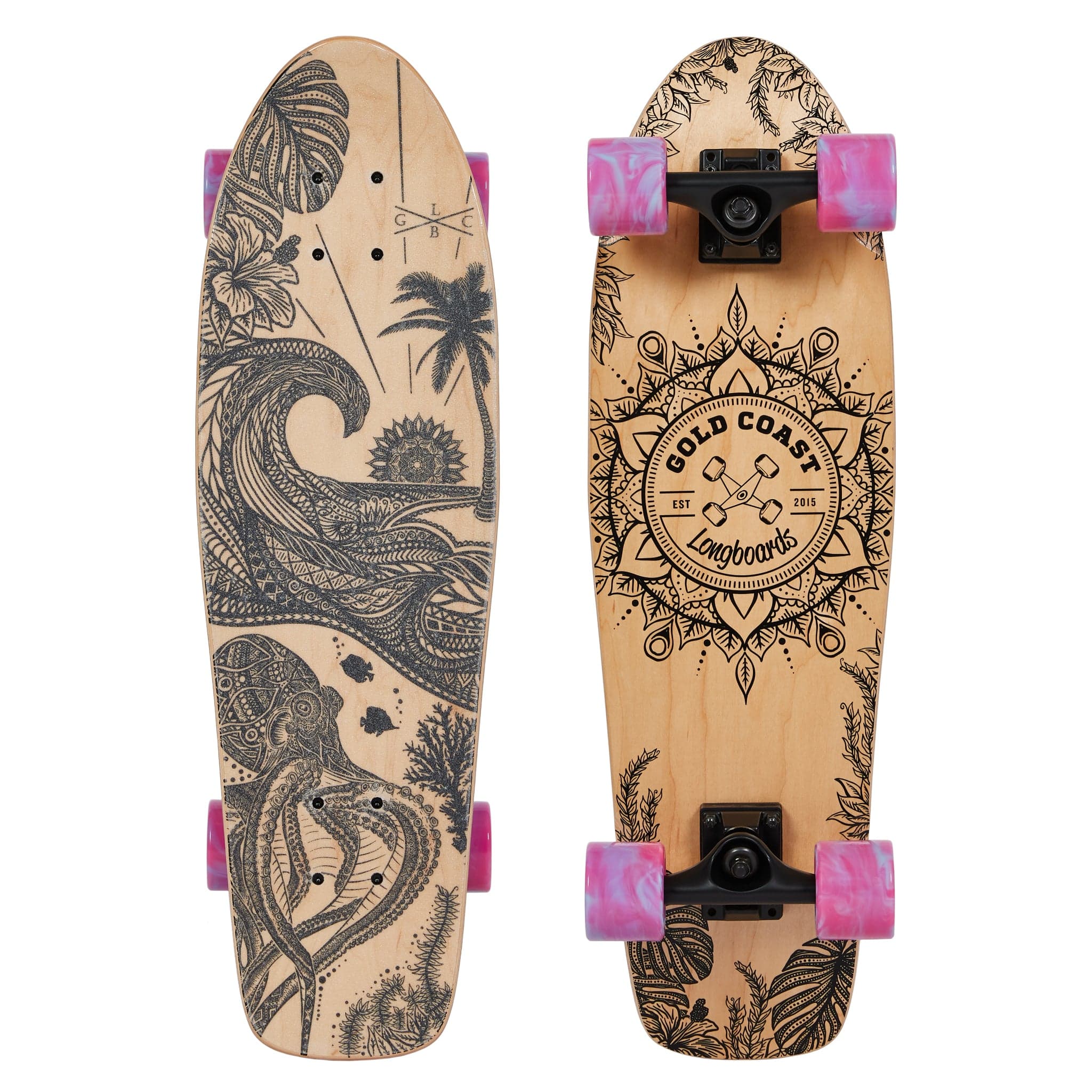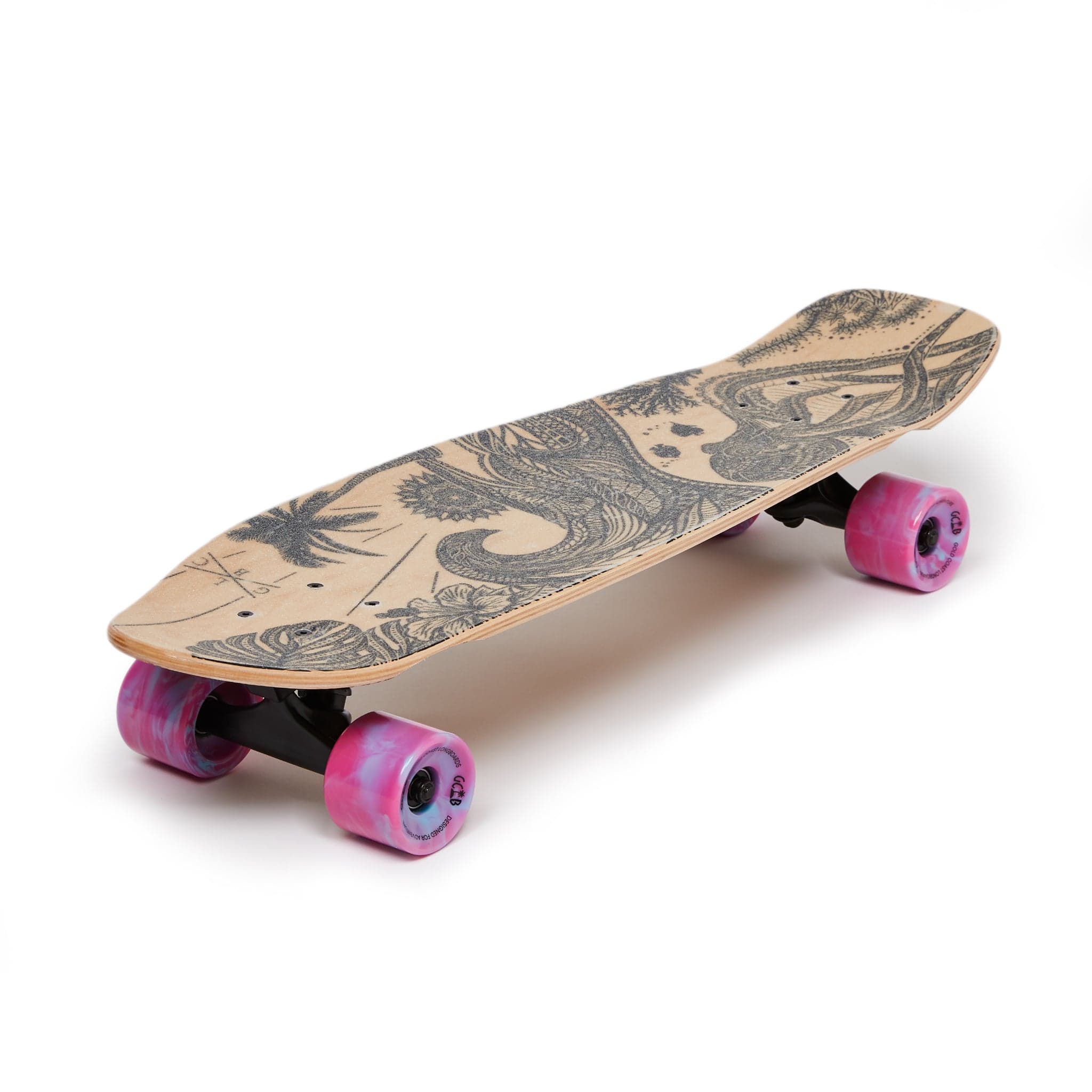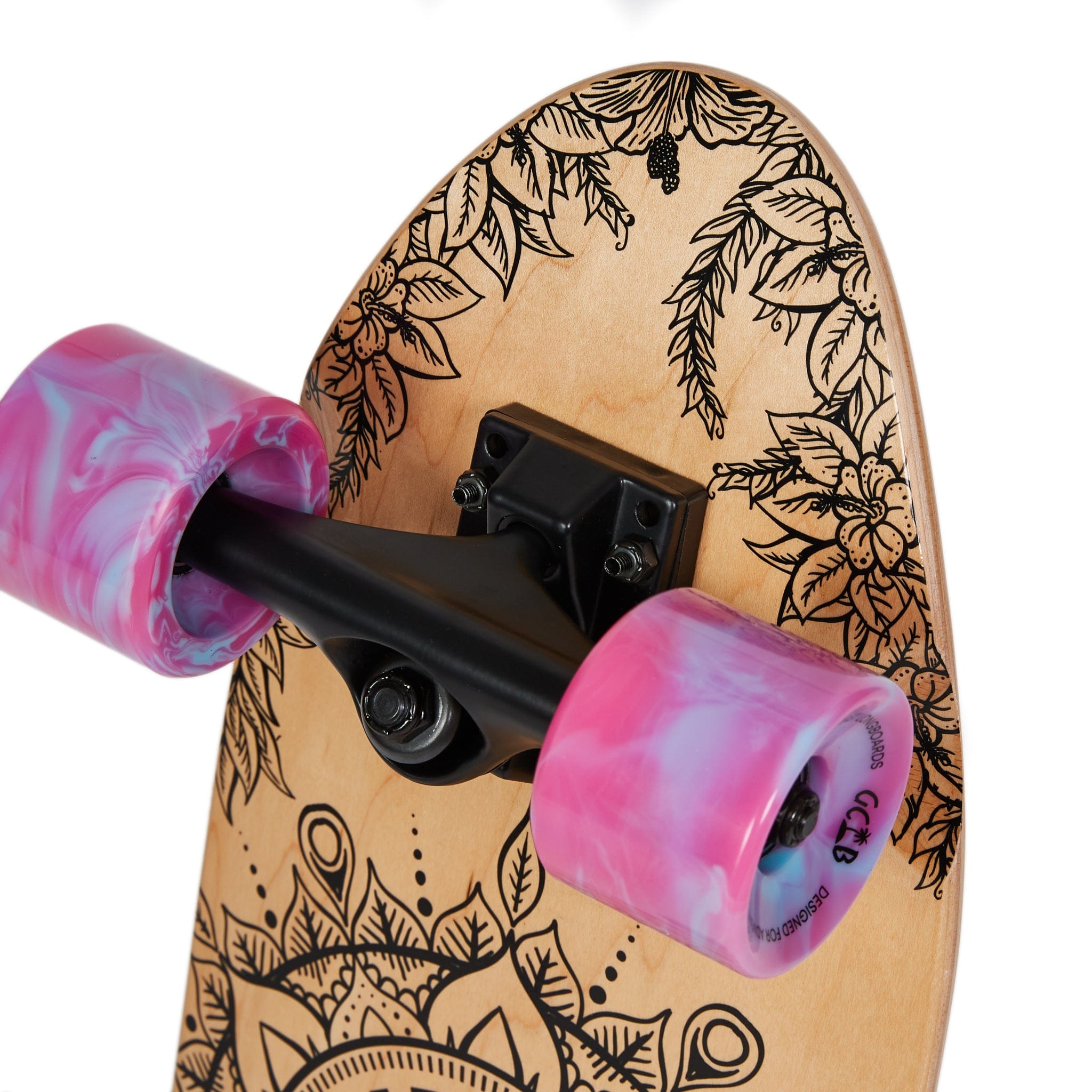









A wheel label can look like a tiny maths problem: 65mm, 51mm, 78A. Once you know which number describes what, comparing wheels gets much easier. The trick is to read the whole specification—not pick the biggest number or match the colour.
Read the label: three numbers, different jobs
When comparing cruiser, longboard or surf-skate wheels, separate these terms:
- Diameter, in millimetres
- The wheel’s height across its centre: 65mm and 69mm describe different diameters.
- Width, in millimetres
- The distance across the wheel at its widest point. It is a separate measurement from diameter.
- Contact patch
- The width of the rolling surface that meets the ground. The wheel’s edges can make this narrower than its overall width.
- Durometer
- The hardness rating. In 78A, the number is the rating and A identifies the scale—not the wheel’s size.
These distinctions follow Orangatang’s wheel-specification definitions. A useful example of why labels matter: its Stimulus wheel lists 49mm width and a 42mm contact patch. Those figures are different on the same wheel. Do not turn a product’s stated width into a contact-patch claim.
What does wheel diameter change?
A larger diameter can be useful on uneven surfaces; Kingswood’s size guide highlights larger wheels for rougher ground. That is a general direction, not a promise about every wheel or every bit of pavement. Smaller wheels may suit a more compact setup, provided the complete combination is appropriate.
Bigger also changes the space the wheel occupies. With the rest of the setup unchanged, increasing diameter raises the axle above the ground and brings the top of the wheel closer to the deck. That makes clearance part of the decision, not an afterthought.
Start with a practical question: “What am I trying to change?” Replacing a worn set with a confirmed equivalent is a different job from changing your board’s feel. If your current board works well, there is no need to chase a larger diameter just because it sounds like an upgrade.
What does 78A mean for cruising?
Within the A scale, lower numbers mean softer wheels and higher numbers mean harder wheels. Australian skateboard maker Kingswood’s wheel guide places 78A in its softer cruising range, compared with the much harder wheels commonly used for street tricks and skateparks.
For everyday cruising, softer wheels are commonly chosen for a less harsh feel on rougher surfaces. Harder wheels may suit different surfaces and riding priorities. “Harder” does not mean better quality, and “softer” does not mean every surface becomes suitable to ride.
Nor does matching 78A guarantee an identical ride. The urethane recipe, wheel shape and surface finish also matter. Powell-Peralta’s own formula descriptions, for example, distinguish different behaviours among wheels carrying the same nominal hardness. A durometer number is useful information, not a complete performance score.

Two GCLB wheel labels, side by side
Here is how that works with two GCLB products. These are their published specifications, not independent measurements or a compatibility chart.
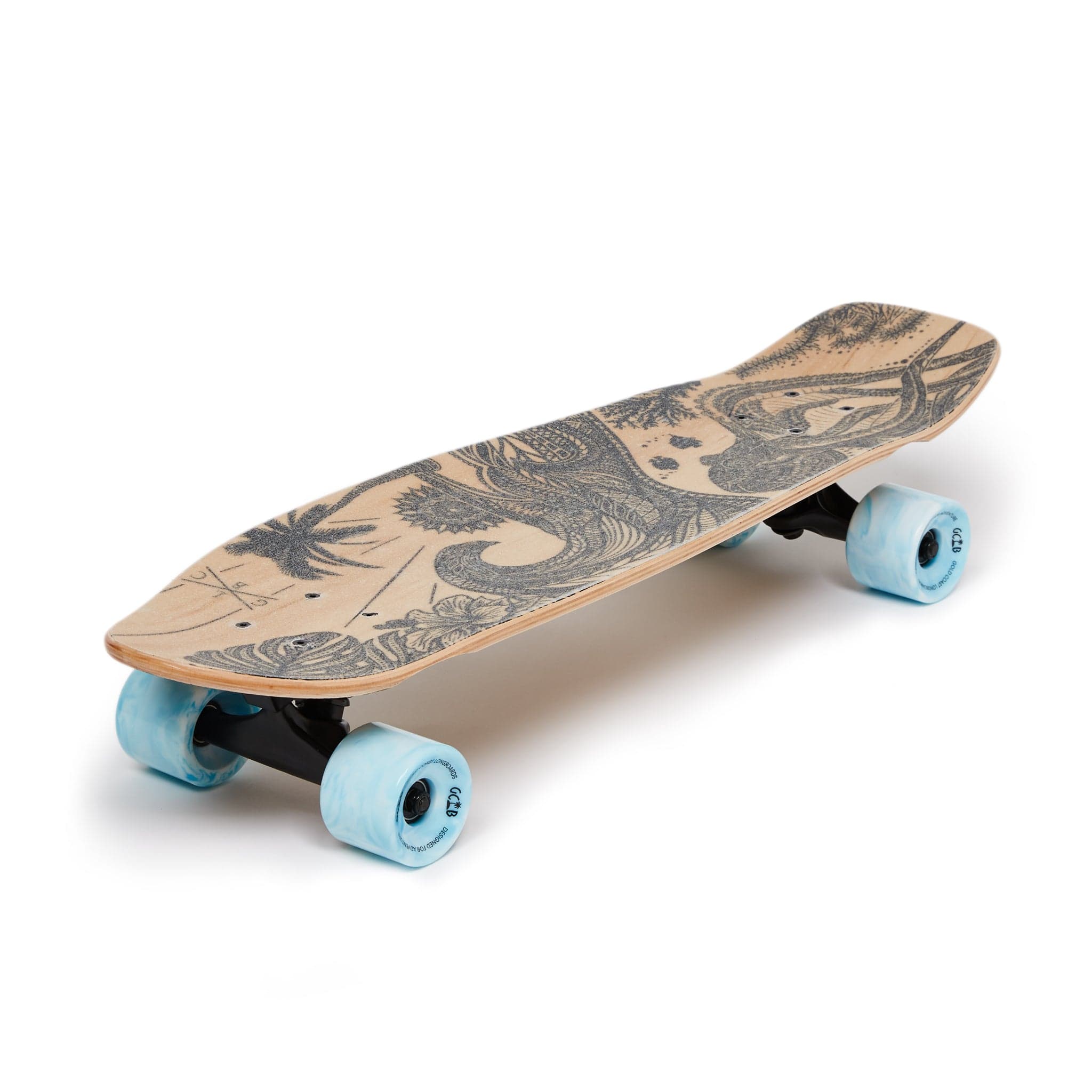
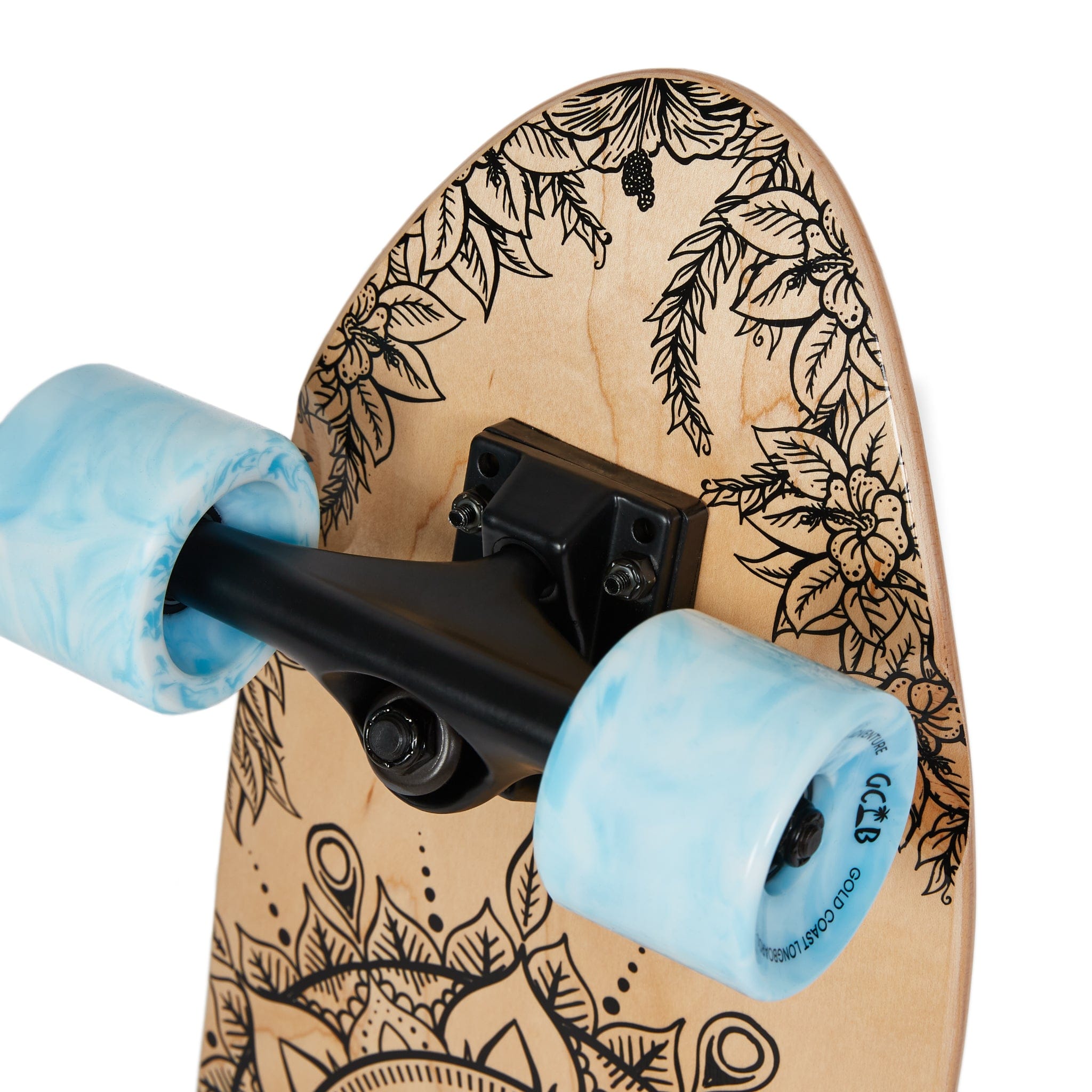
Blue Swirl cruiser / surf-skate wheels
65mm diameter × 51mm width · 78A
The Blue Swirl wheel listing describes the smaller-diameter option in this comparison. Its 51mm width is not a published contact-patch measurement.
Transparent / Blue Core longboard wheels
69mm diameter × 50mm width · 78A
The Transparent / Blue Core listing describes a larger diameter but slightly narrower overall width. The listed package includes ABEC 9 bearings; that is separate from wheel hardness.
Notice the useful difference: the 69mm wheel is taller, but it is not the wider of these two. Both carry a 78A rating. Neither fact proves that one can replace the other on your particular setup, and neither listing gives a contact-patch figure.
Colour is not a universal hardness code, either. Read the specification for the exact product instead of assuming that another blue wheel has the same properties.
Before replacing wheels, check the whole setup
Wheelbite is contact between the wheel and deck during a turn. Wheel size, deck shape and the truck setup all affect clearance. Loaded’s setup FAQ treats maximum wheel size as a board-and-truck question, not a universal number. The same cautious approach is useful when considering replacements: a wheel spinning freely with nobody on the board is not proof of clearance while riding.
Before ordering, put together a few details:
- Your exact board model, size and truck system, plus any changes from the original setup.
- The current wheel’s printed size and hardness, if readable.
- Clear photos of the complete board, the trucks and the space around the wheels.
- Whether you want an equivalent replacement or are trying to solve a particular problem.
Send those details to GCLB before choosing replacements. Do not assume a riser, truck adjustment or a similar product name makes an unconfirmed combination suitable. If a wheel is rubbing, binding or damaged, stop riding and have the setup checked rather than trying to ride through it.
Header artwork created with AI using GCLB product photography. The inline photograph is the original product image, resized for this guide.