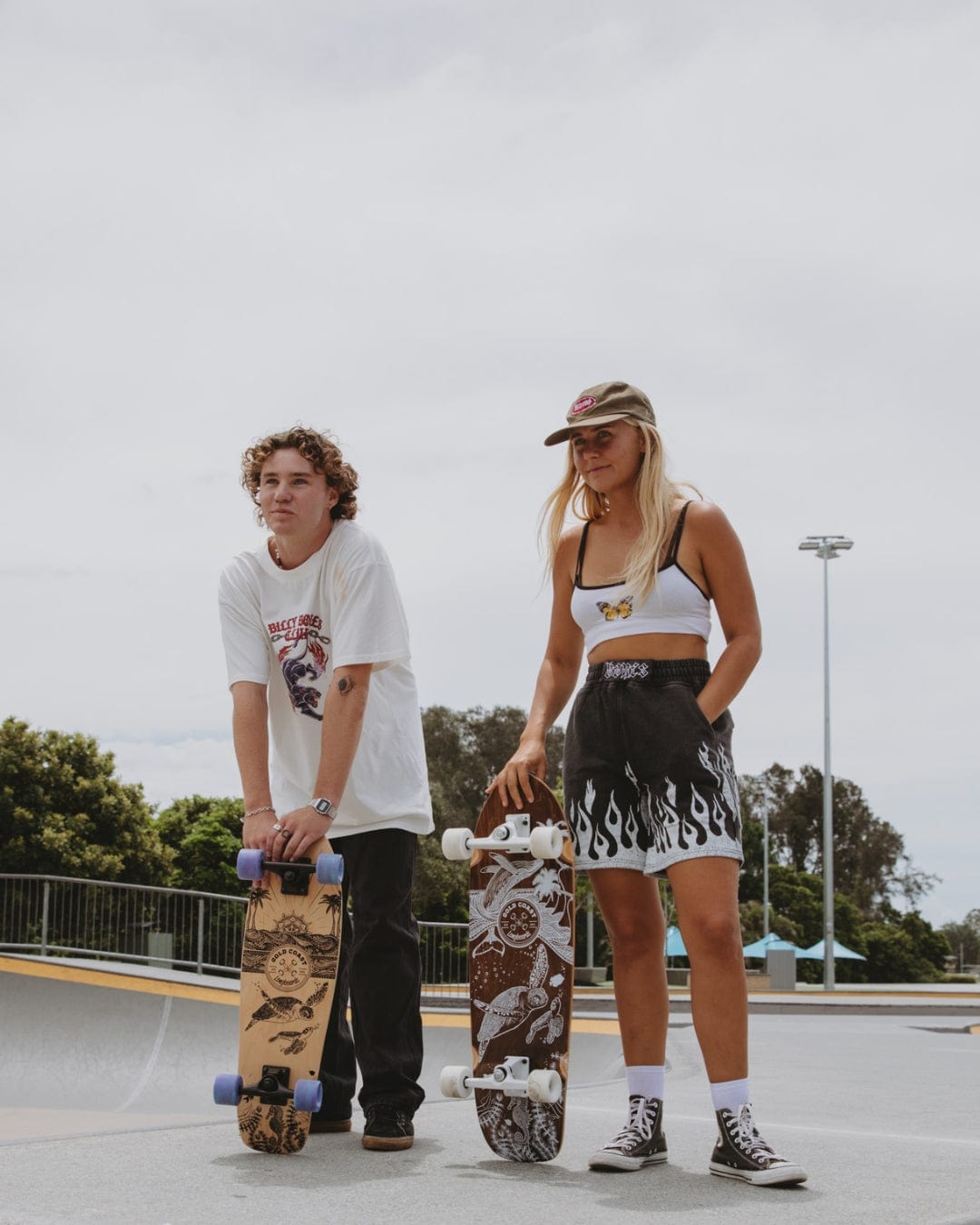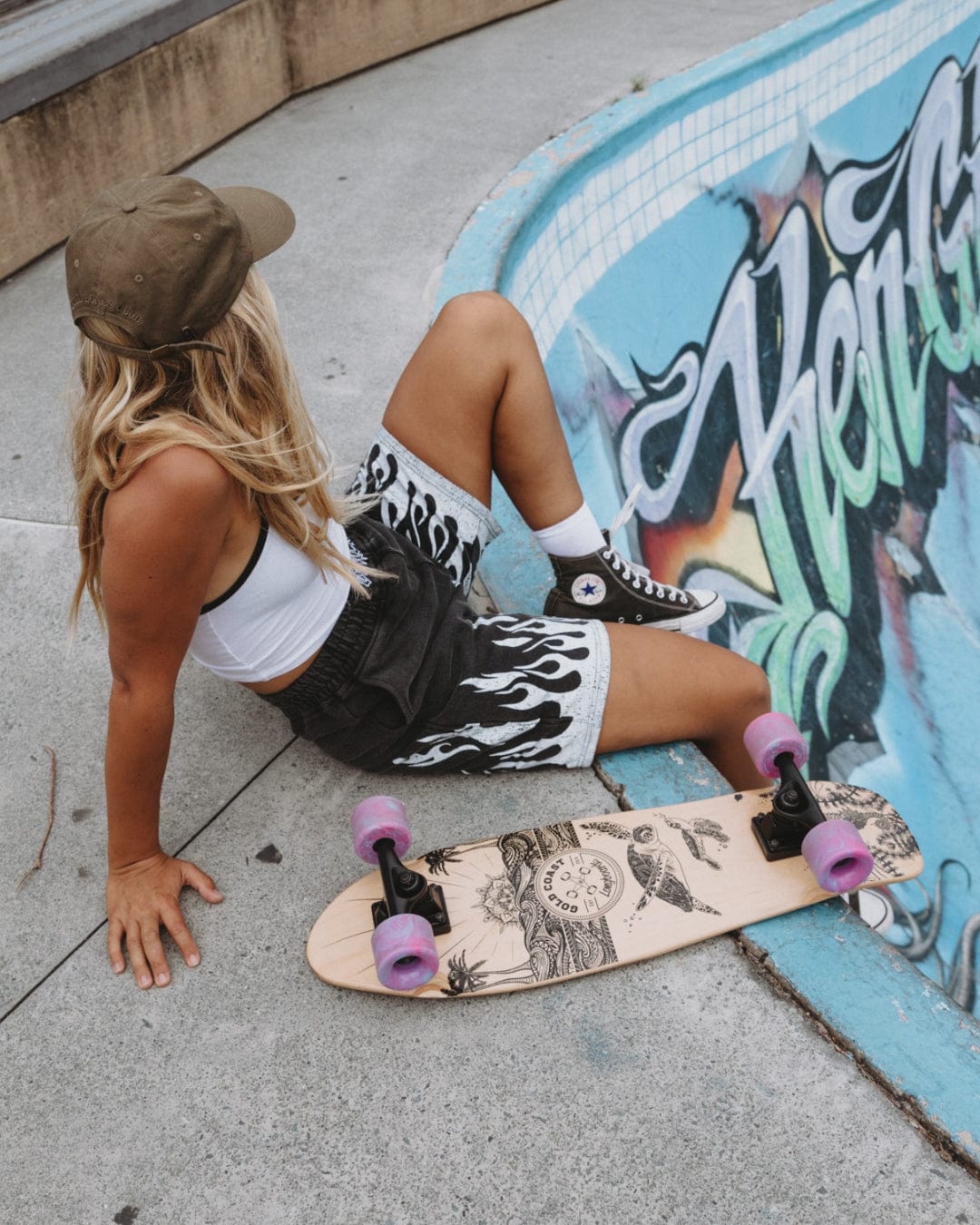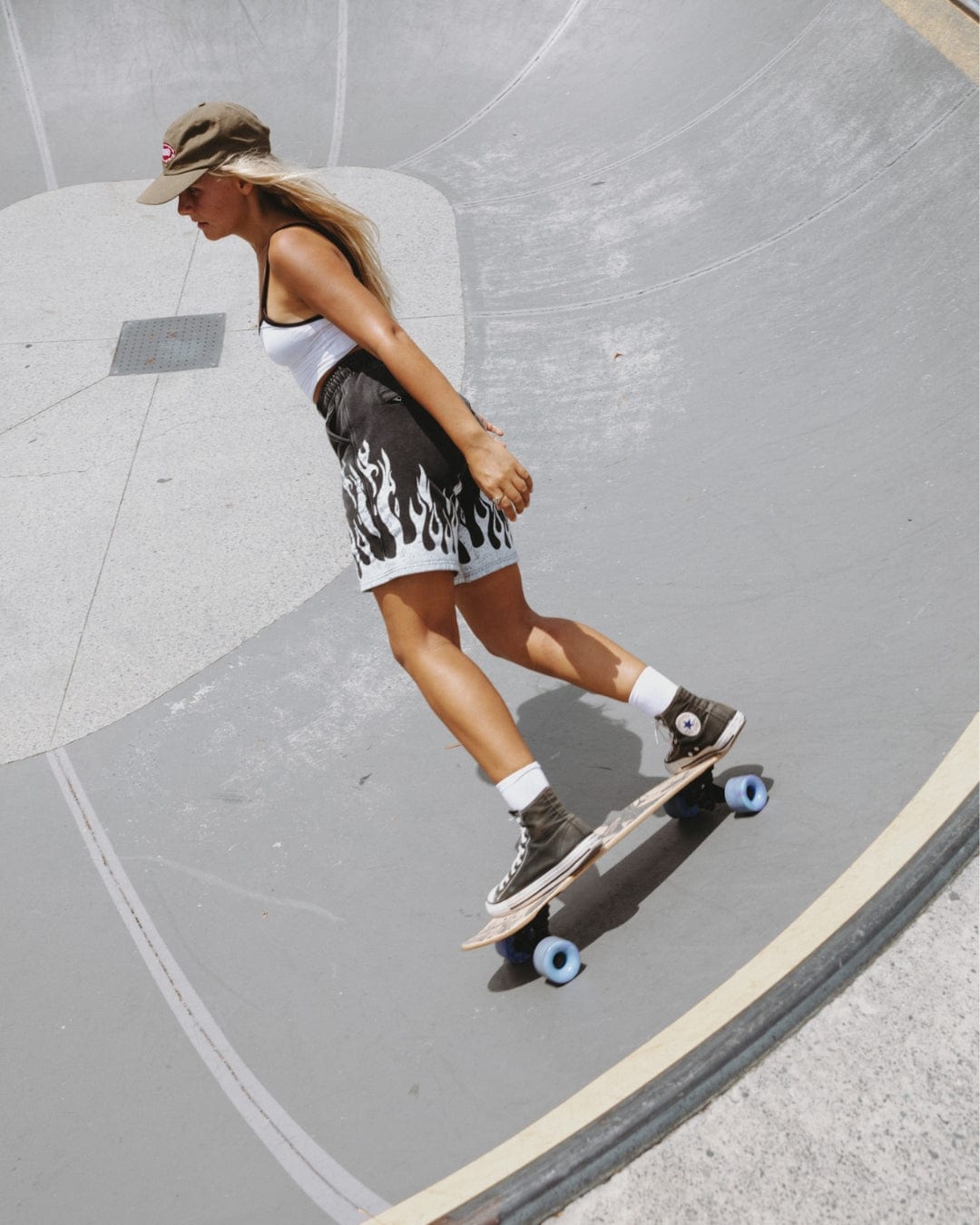







Good skatepark etiquette starts before your first push: watch how people are using the space, find somewhere clear to wait and take turns. You do not need to know everyone's name or every trick. You do need to notice where a run starts, where it finishes and who is already using that line.
This is a guide to sharing a skatepark, not learning ramps or deciding whether a particular feature suits your board. If you are still learning to start, steer and stop, begin with our first longboard session or first surf-skate session guide in an appropriate practice space.
Watch a few runs before joining in
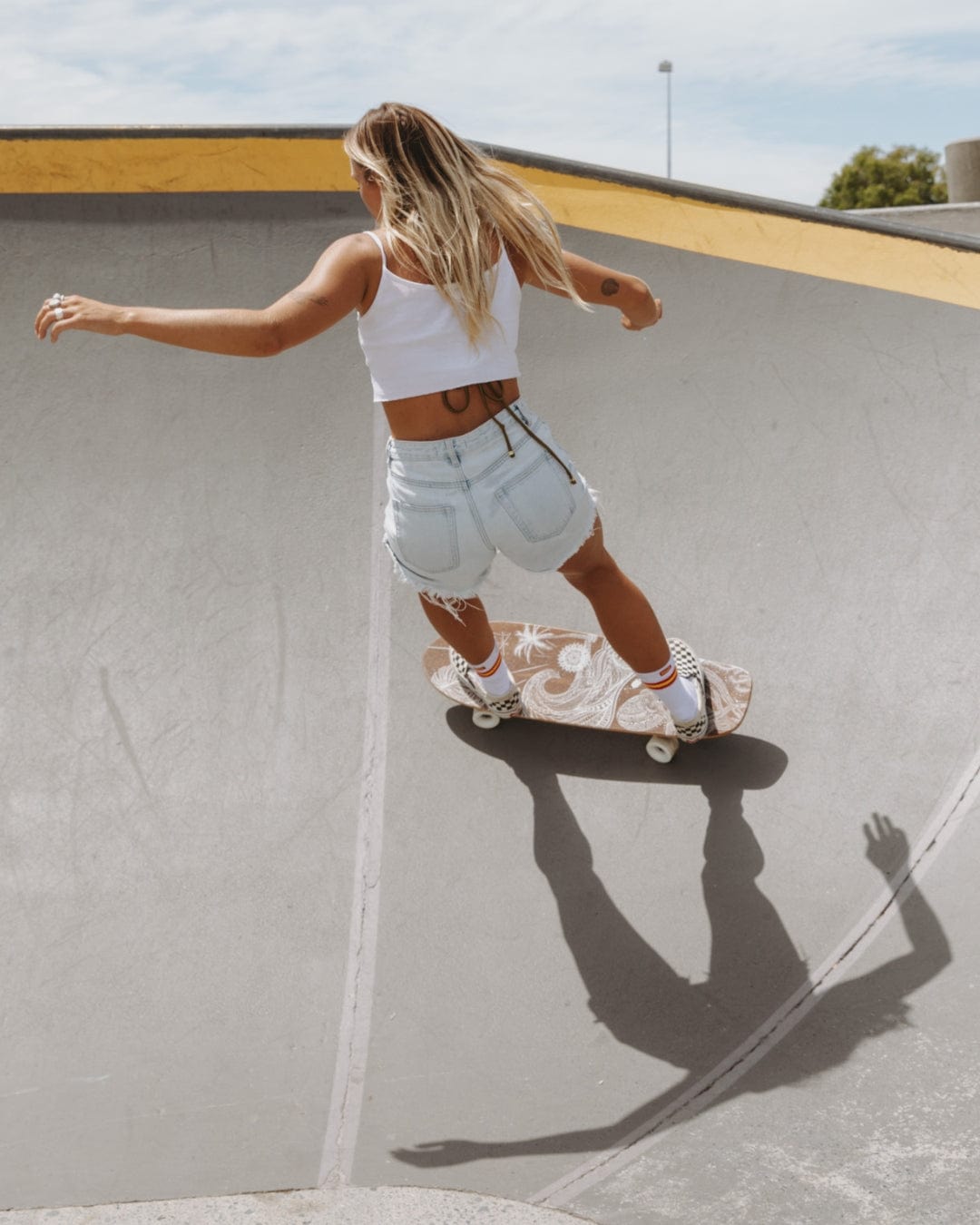
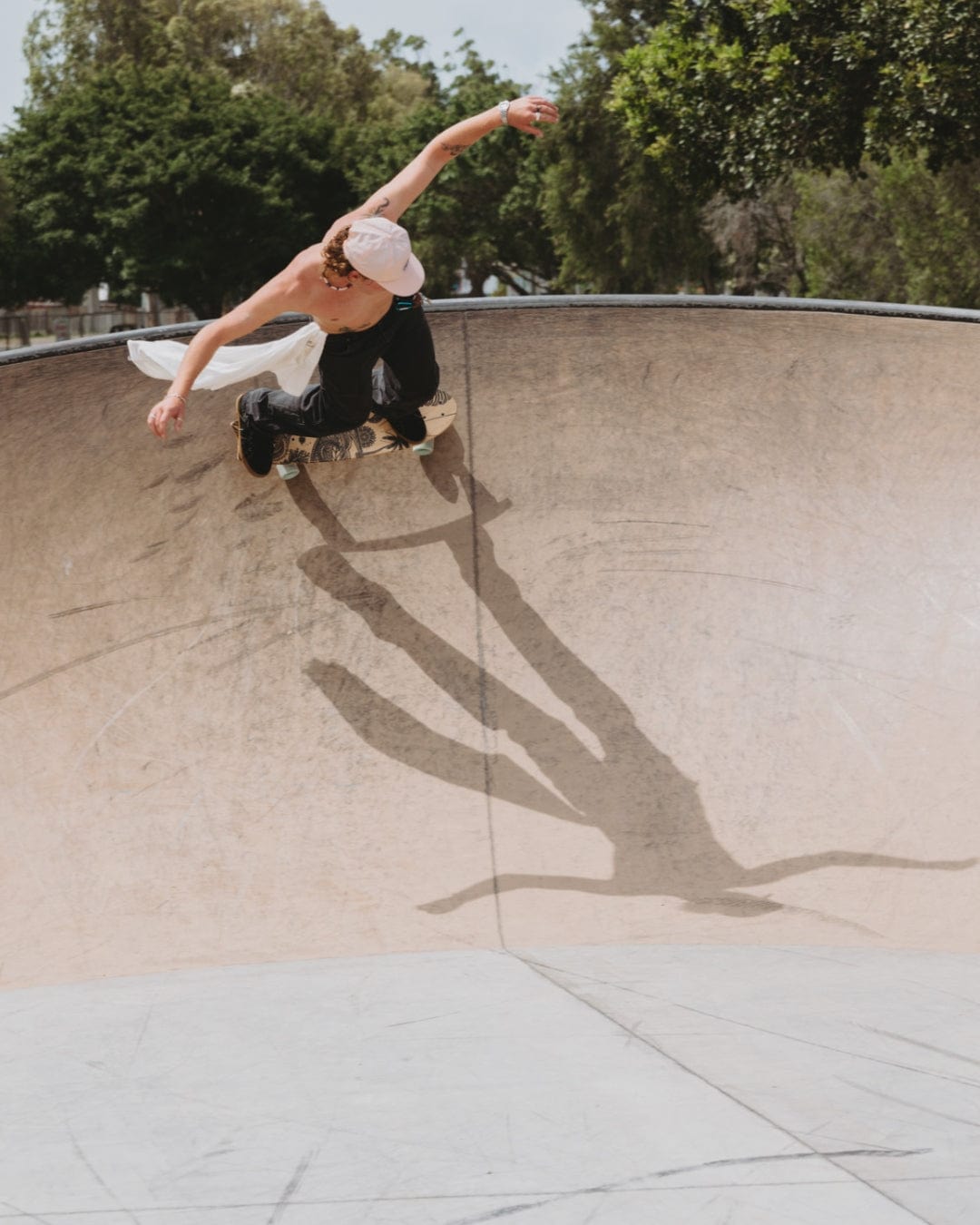
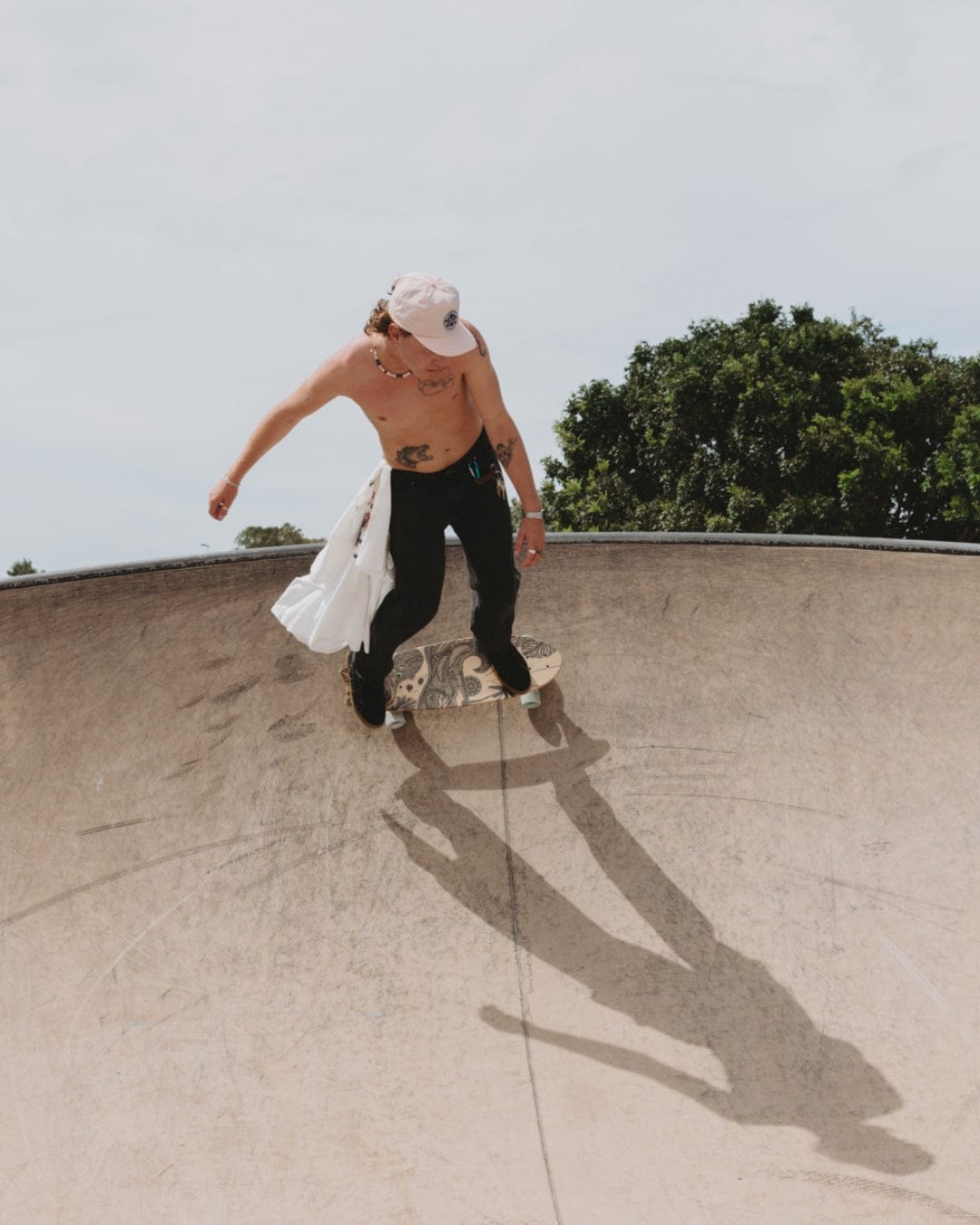
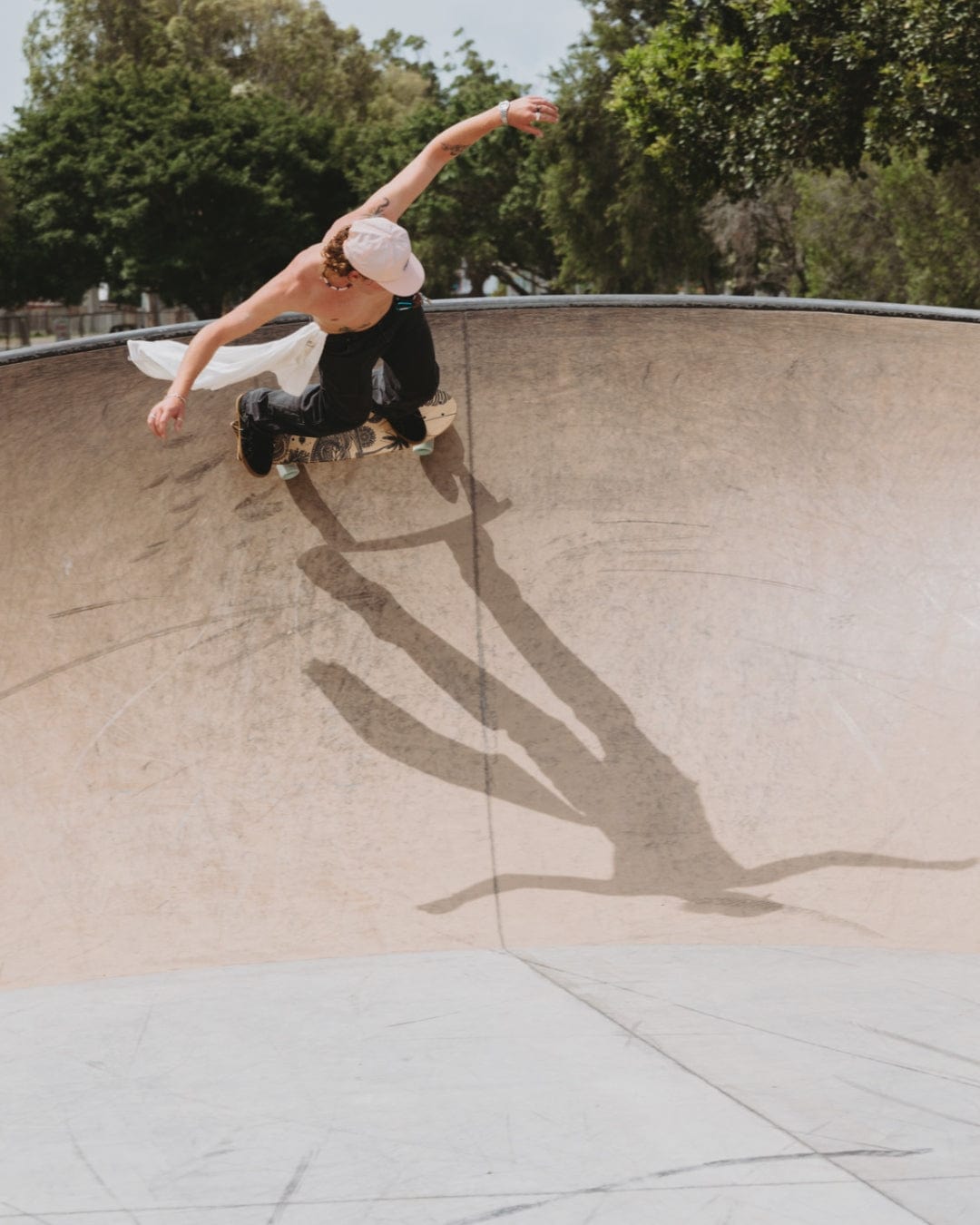
A riding line is the route someone takes through a feature or across the park. The space before an obstacle may be a run-up; the flat area beyond it may be needed to finish. An empty-looking patch can belong to a run that has already begun elsewhere.
Stand clear and look at the whole movement, not just the obstacle you want to use. Waverley Council's skatepark etiquette guide specifically highlights run-up and run-out space, traffic flow and clear waiting areas. Its venue rules apply to Bondi; the observation habit is useful when learning another park's layout.
Our suggestion: before moving into a new area, be able to point out its entry, exit and waiting place. If you cannot see how those fit together, ask someone using it or watch a little longer.
Take a turn, then make room
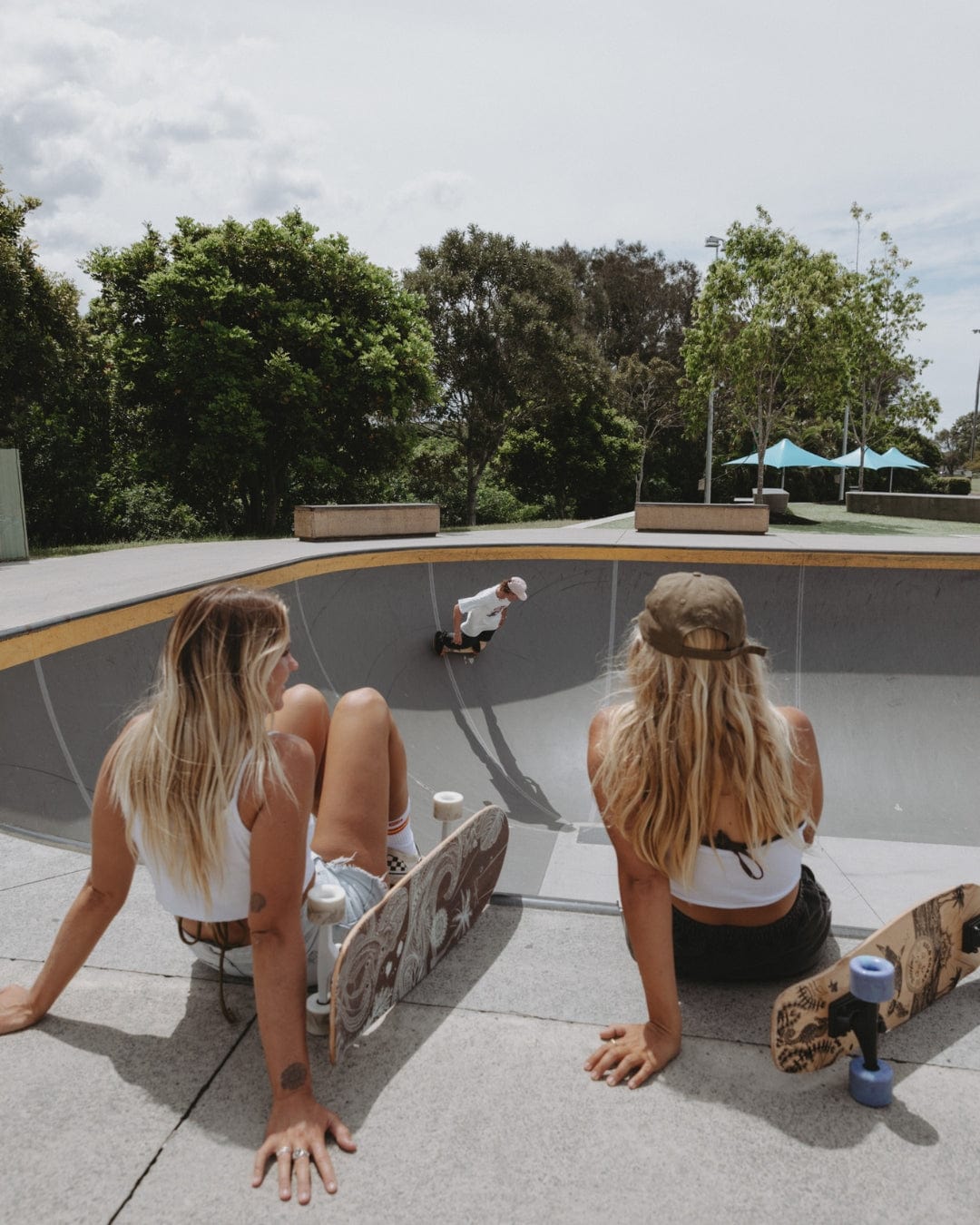
There may be an informal sequence rather than an obvious queue. Check who has been waiting and ask if you are unsure. Keep your turn comparable to other people's and make room for the next person when you finish.
Hilltops Council's guidance encourages taking turns, respecting other users and moving out of the riding area for a break. Different equipment does not make another person's turn less important: the park may be shared with scooters, BMX bikes or skates, subject to its posted rules.
“Snaking” means cutting into someone else's turn or riding line. Darwin Skate School explains that it can happen through poor understanding as well as deliberate behaviour. A pause and a friendly question are better than guessing that another rider has finished.
Three useful things to say
01 / Share the space
When you cannot read the queue
Try: “Are you going next?” Stay in the waiting area while you ask. The point is to settle the uncertainty before moving, not to claim a turn by starting it.
02 / Share the space
When someone is resting on a feature
Try: “Are you using this, or can I have a turn?” Give them time to move their belongings. A ledge can look like a seat to one person and part of a run to another.
03 / Share the space
When you get in someone's way
Try: “Sorry, I didn't see your line.” Move clear, then reset. You can acknowledge a mistake without turning it into a debate about who belongs at the park.
These are suggested conversation starters, not formal signals or a replacement for looking around.
Keep loose boards, bags and spectators out of the lines
Choose a resting place away from active ramps, ledges and approaches. Keep your board controlled when you are not riding, and put bags and drinks where they will not become obstacles. Do not assume the edge of a ramp is unused space.
If a board gets away from you, call out promptly to warn others. Waverley Council includes this in its etiquette advice. Avoid charging across an active line to retrieve it without looking.
For parents and companions, watching is an active job. Agree on a waiting place, keep children supervised and explain that the riding area is not a playground. Darwin Skate School's park-sharing guidance discusses this distinction and why beginners should not be pressured into trying features before they are ready.
Respect the park you have arrived at
Read the signs for the actual venue. Opening hours, permitted equipment and supervision requirements can vary. Check the surface before riding, wear a properly fitted skate helmet and appropriate pads, and leave wet, damaged or obstructed areas unused. Report a problem to the park operator instead of assuming someone else has done it.
Take your rubbish away and leave riding surfaces as you found them. Do not add wax, paint or other treatments to a shared feature: they can change how it behaves for the next user. Ask the operator about maintenance or damage rather than improvising a repair.
Planning a Gold Coast visit? Our Pizzey Park guide covers that precinct's different spaces and visitor checks. For your own equipment, use the skateboard care guide.
You can finish a first visit having watched, asked a question and understood the layout. That is a useful start. A shared park works better when people make their intentions clear and leave room for each other.
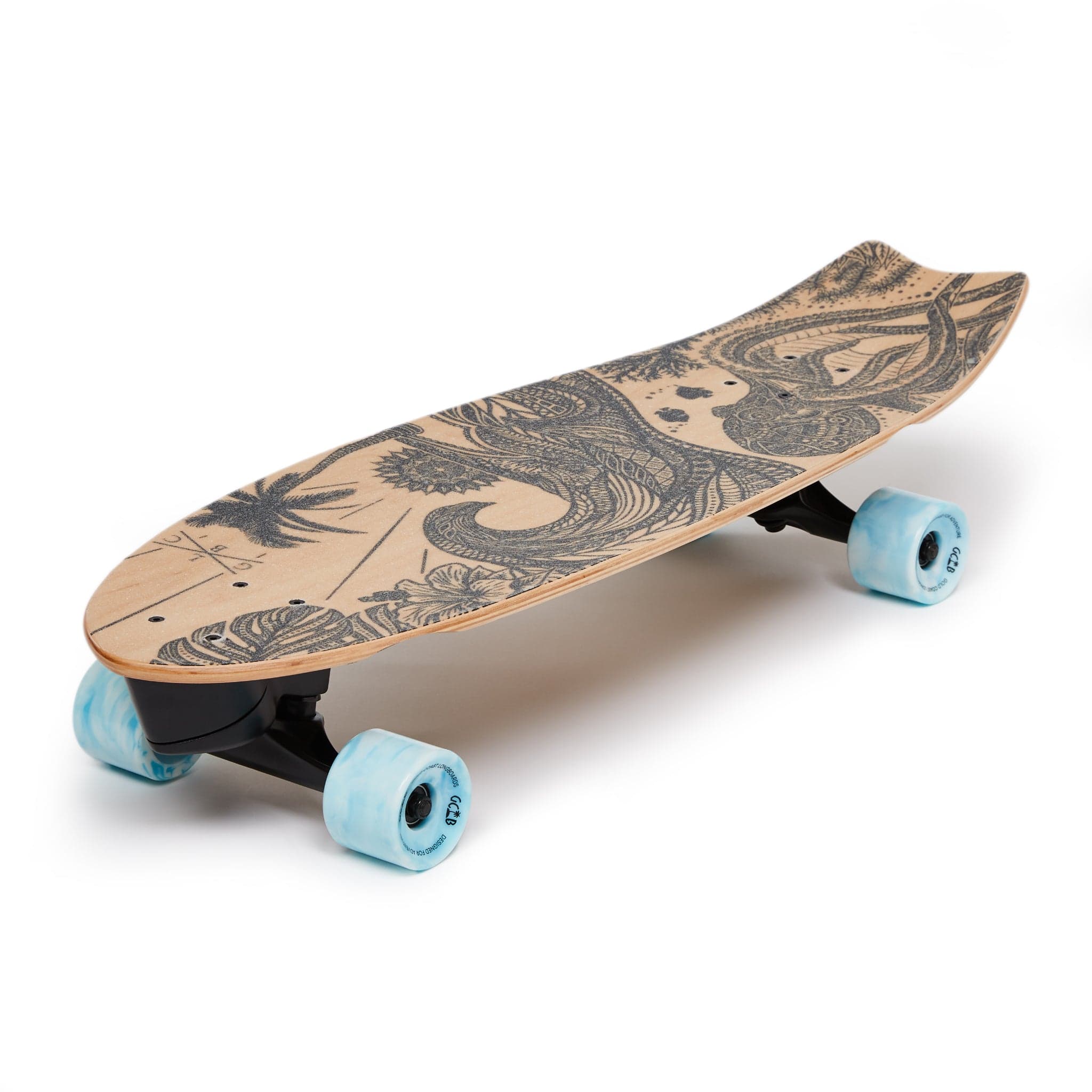
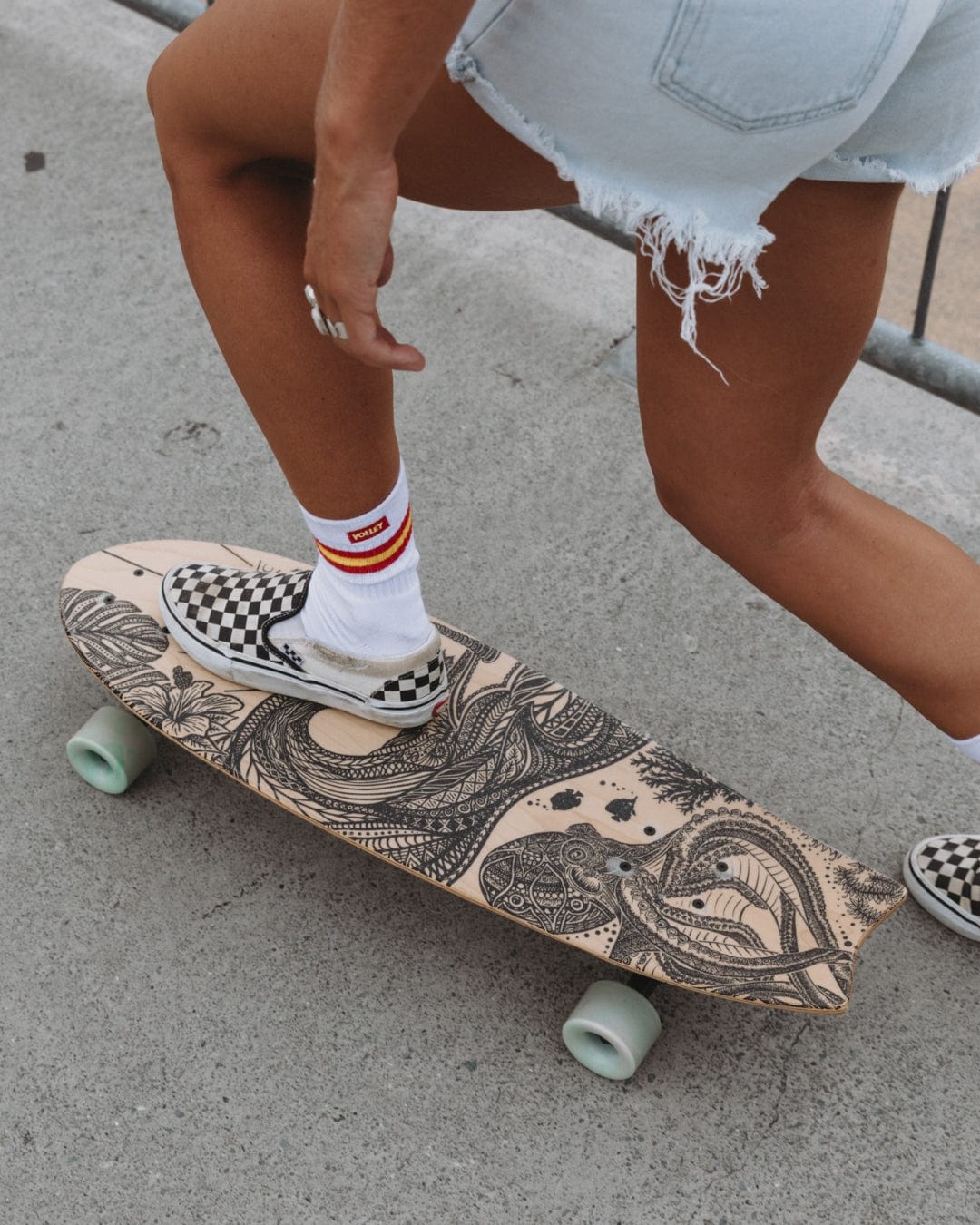
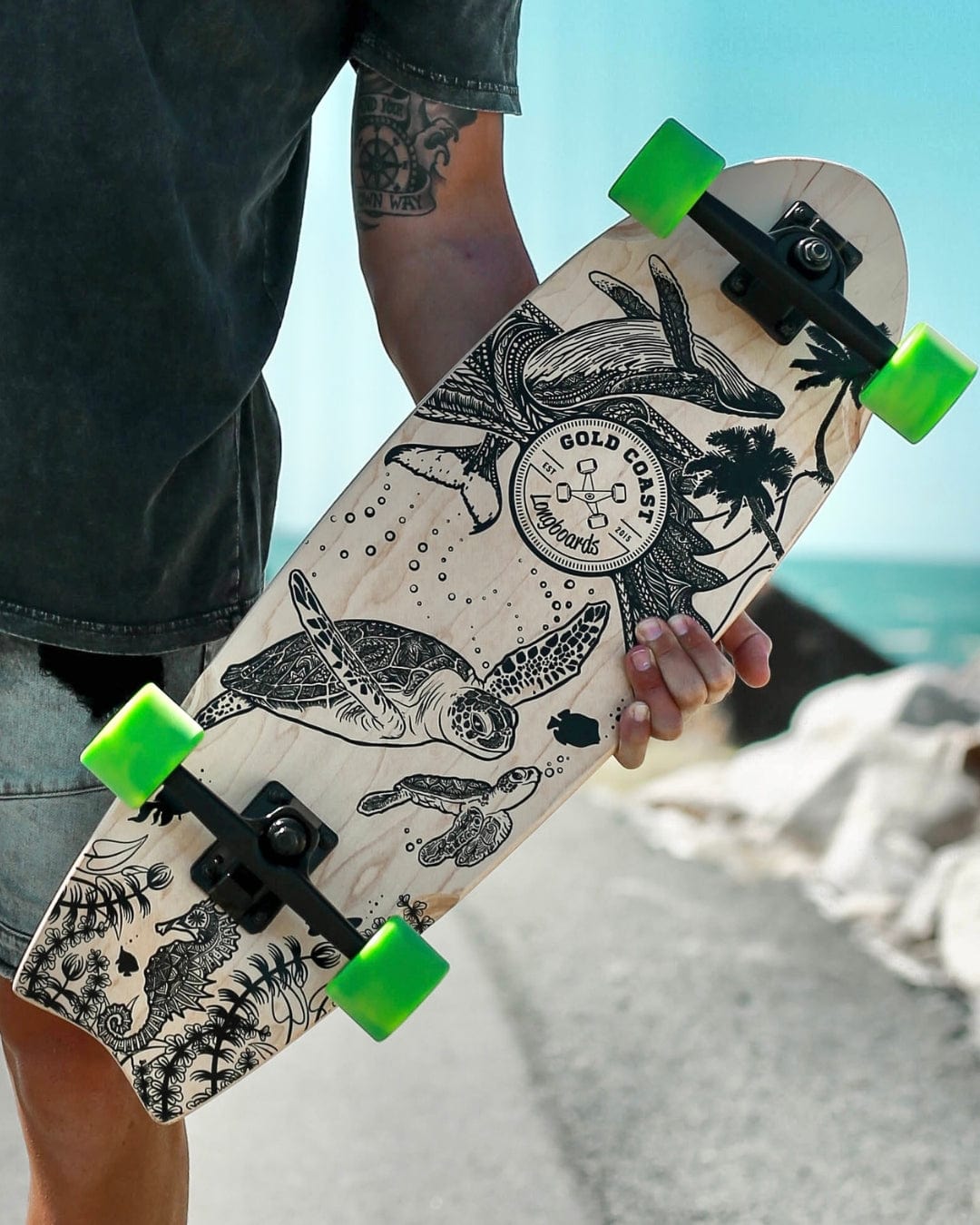
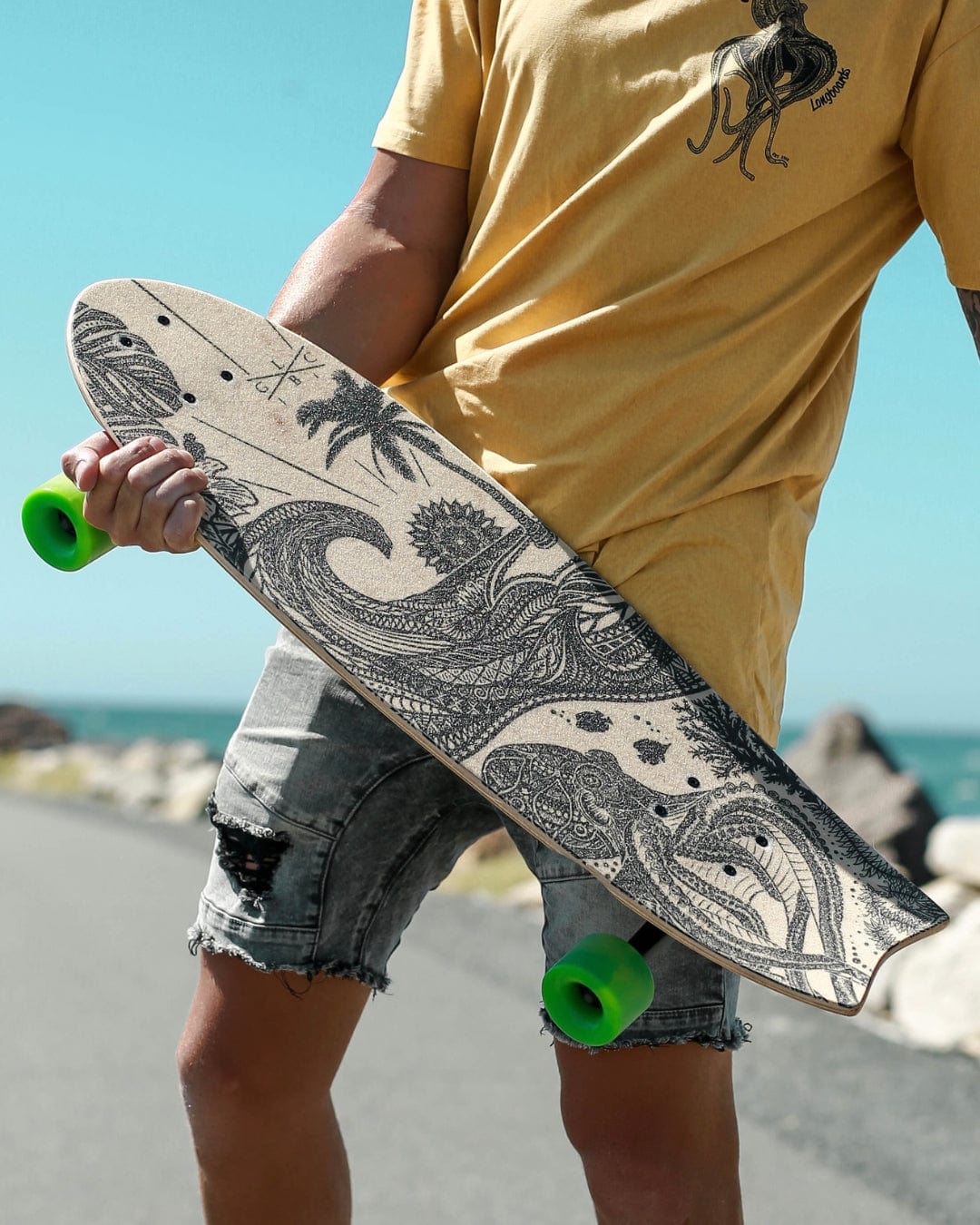
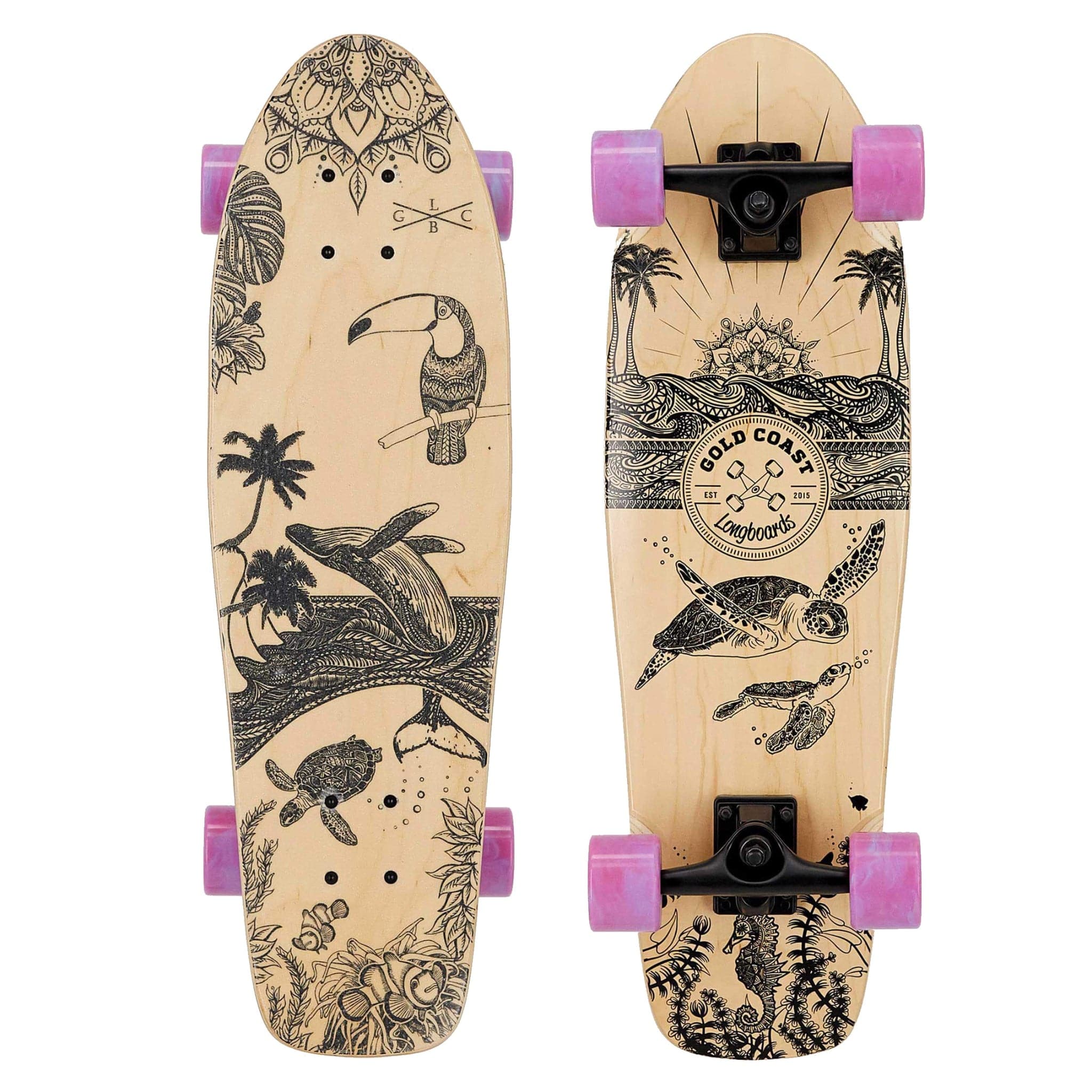
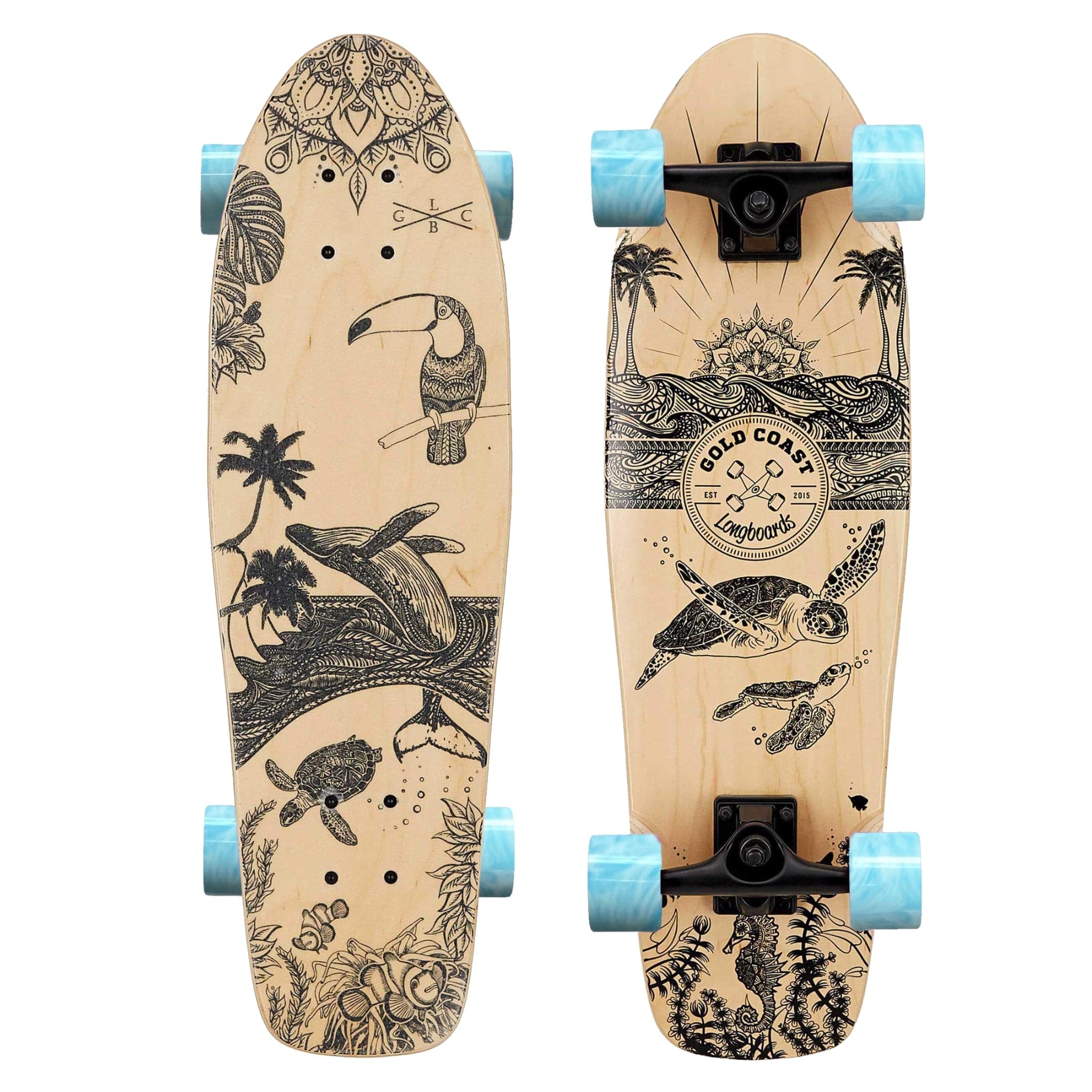
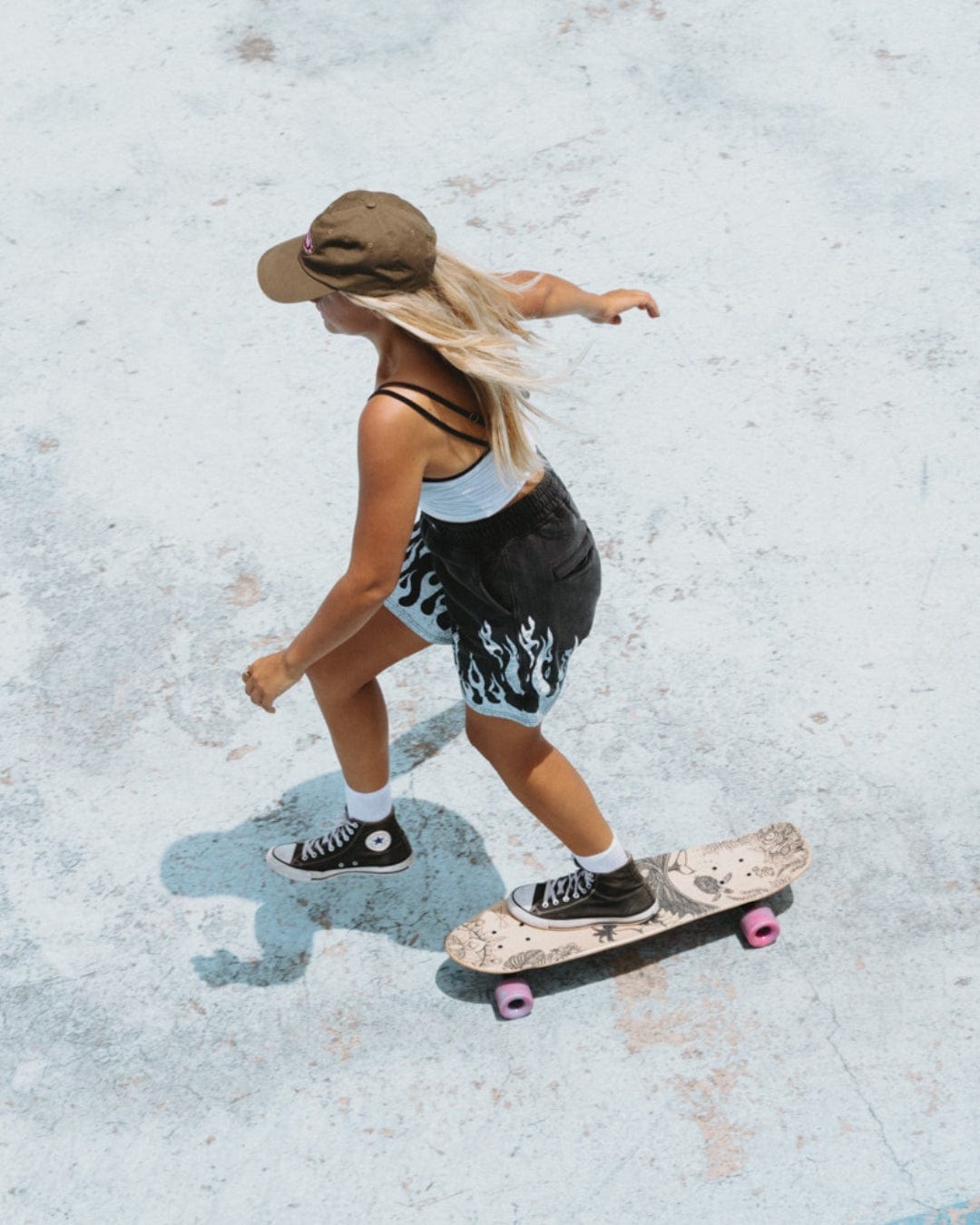
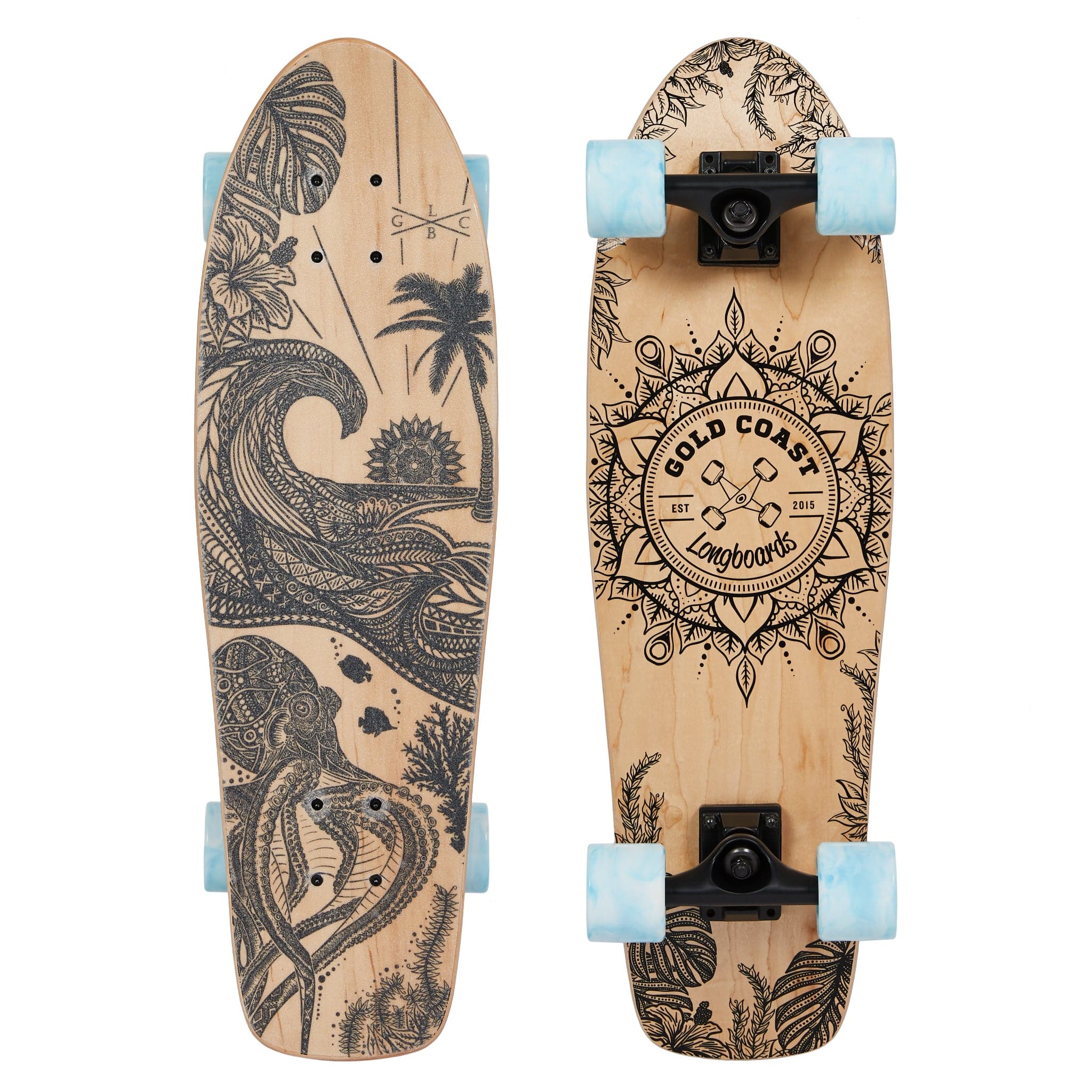
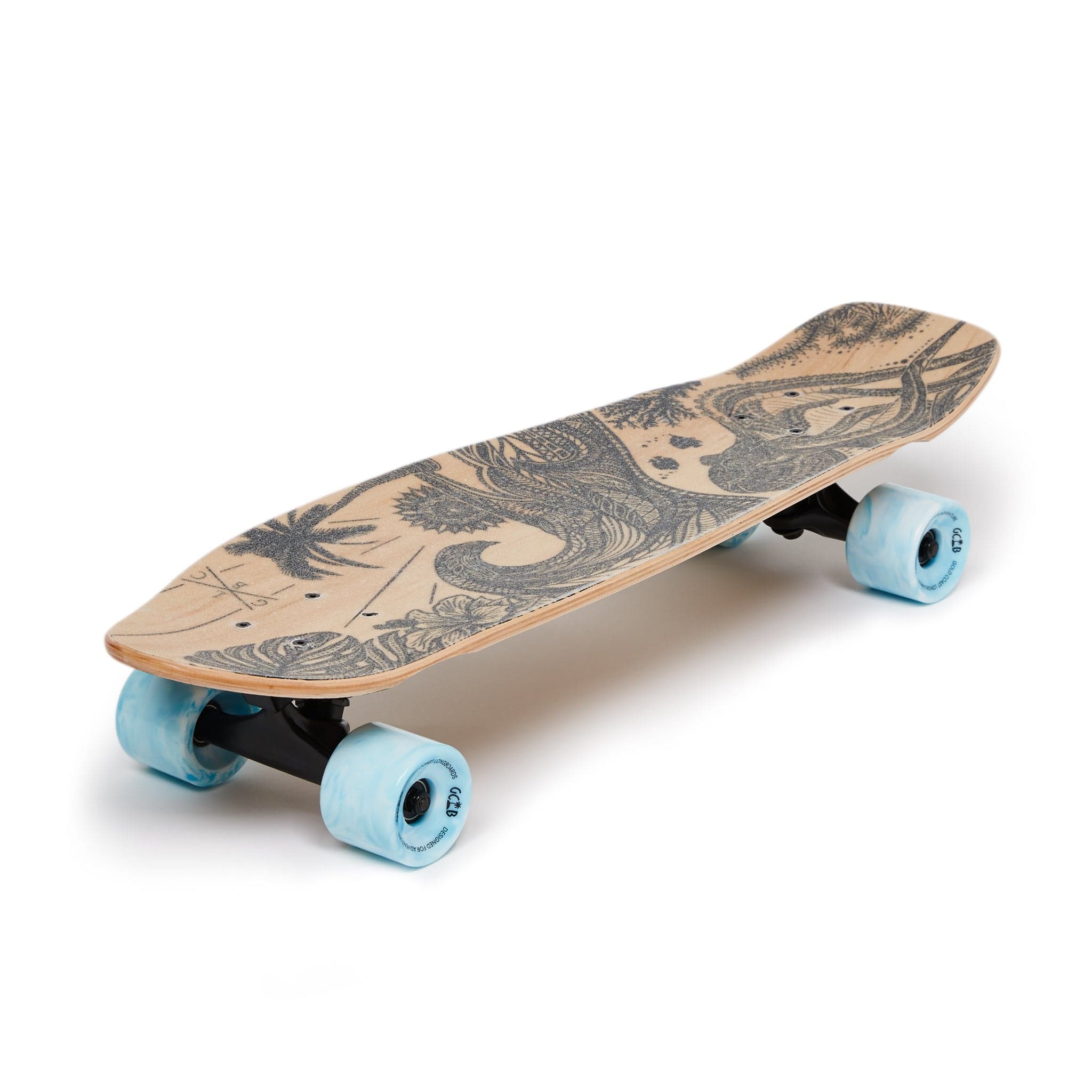
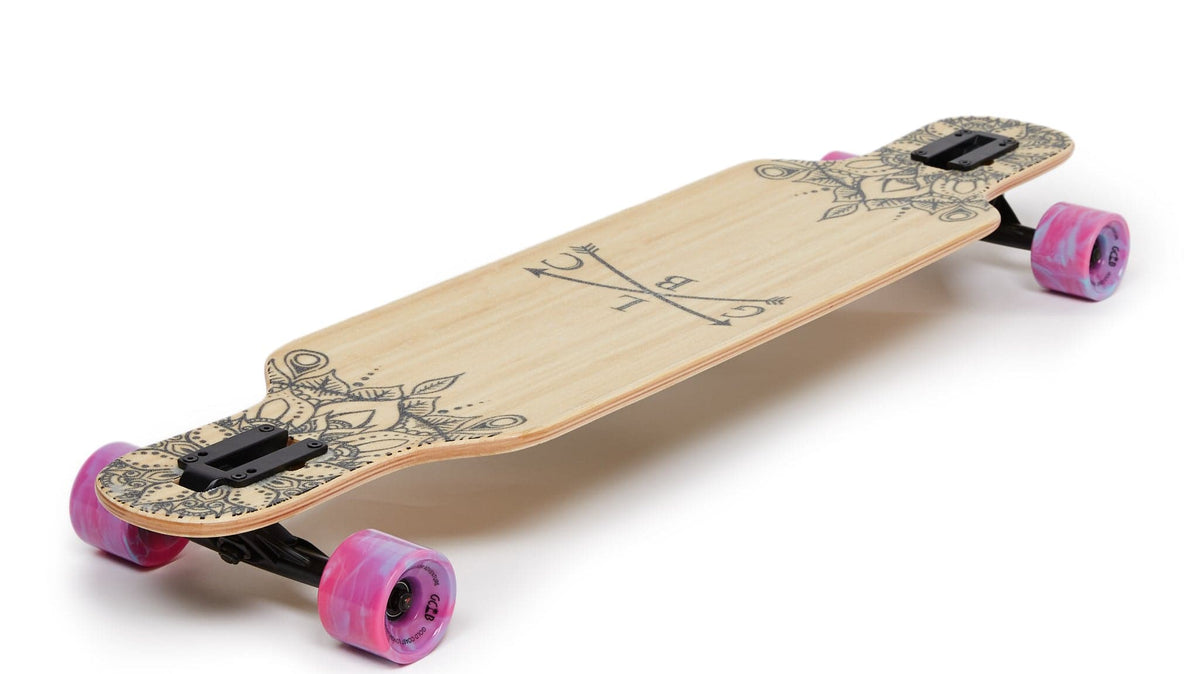
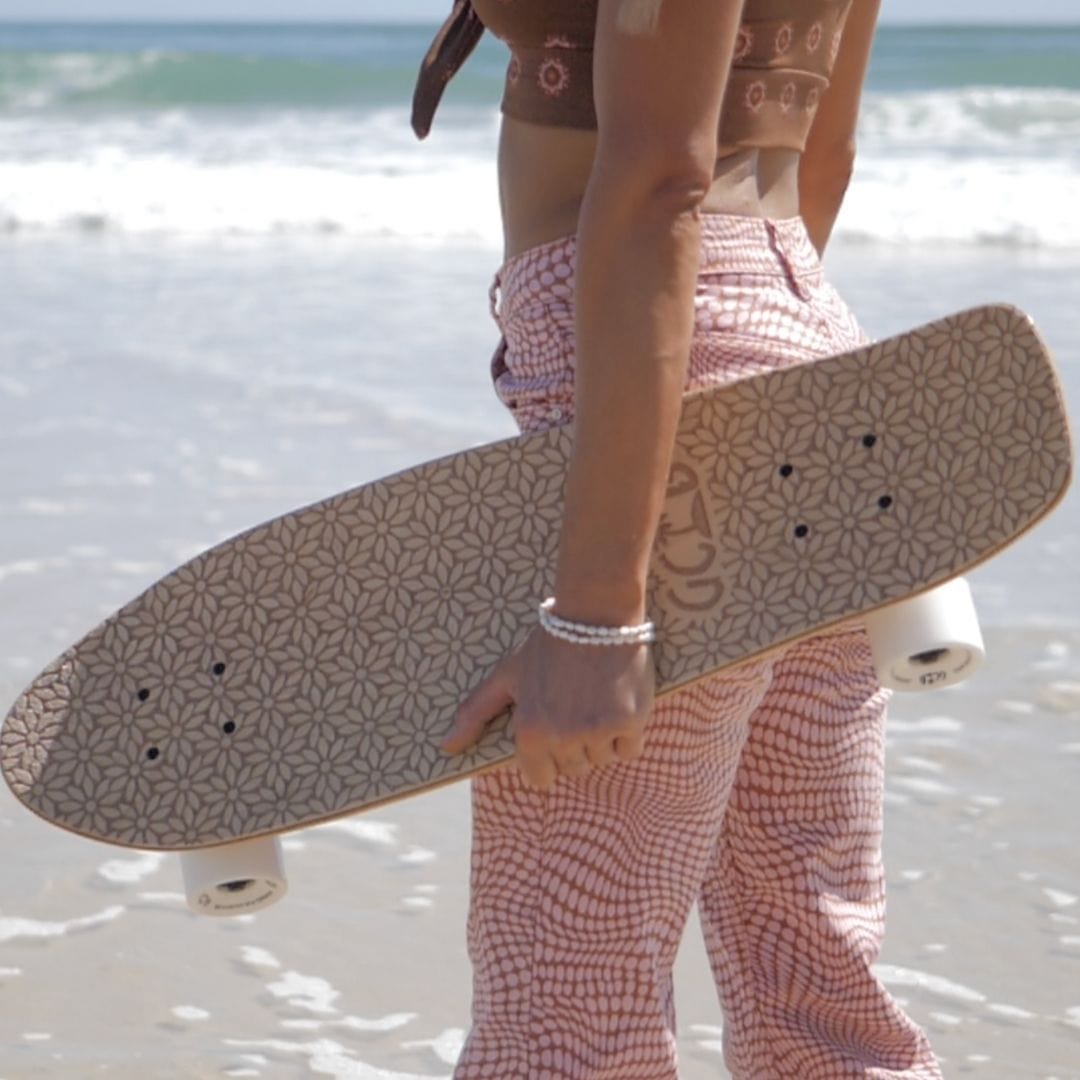
Product photograph: GCLB Daisy Bloom 30-inch surf skate.